Celebrity Transformations for Roles: Shocking Dedications That Redefined Hollywood Acting
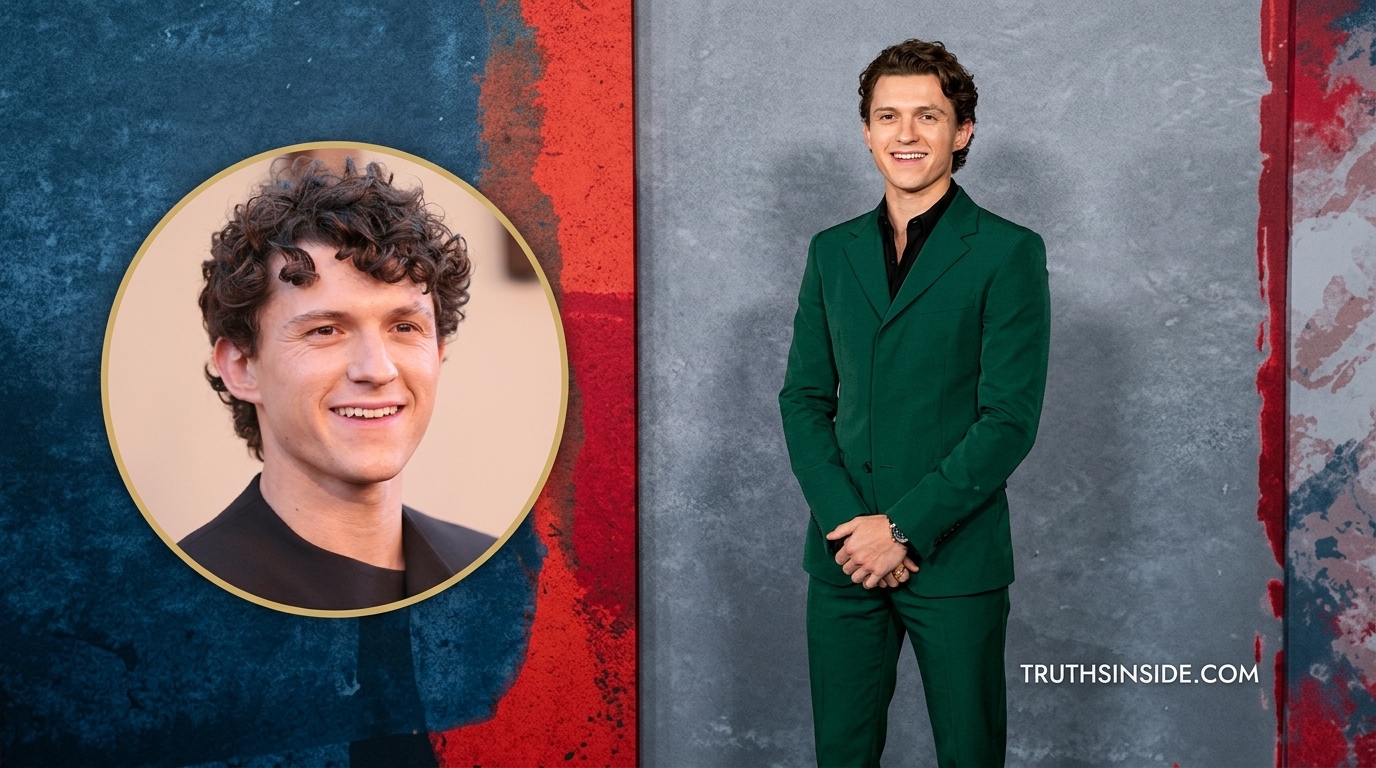
Most of us understand, at least intellectually, what it means to work hard for something we care deeply about. But the celebrity transformations for roles that Hollywood’s most committed actors have undertaken over the decades go so far beyond ordinary dedication that they occupy a category entirely their own. Tom Holland recently revealed that rehearsals for his Fred Astaire biopic have begun — and that the experience fills him with what he described as “absolute dread.”
According to a 2021 study published in the Journal of Occupational Health Psychology, extreme occupational commitment — defined as sustained effort that significantly impacts physical and psychological well-being — is most commonly found among performing artists and professional athletes. In Hollywood, that finding plays out in some of the most extraordinary ways imaginable.
From losing 52 pounds to portray a mentally unraveling clown to training 16 hours a day to become a ballerina, to sitting in a makeup chair for four hours every single morning to become Winston Churchill — these are not casual professional choices. They are total commitments that reshape bodies, challenge psychological limits, and in the most exceptional cases, produce performances that define entire careers. This is the full story of Hollywood’s most shocking and awe-inspiring transformations — and why they matter more than ever.

Celebrity Transformations for Roles: Tom Holland and the Weight of Fred Astaire’s Legacy
Before examining the broader landscape of Hollywood transformations, it is essential to start where the conversation begins right now — with Tom Holland and the Fred Astaire biopic that has been generating excitement and anticipation since Holland first announced his casting in 2021.
Four years passed between that announcement and the moment rehearsals finally began. Four years during which Holland carried the knowledge of what was coming — the dancing, the technical demands, the weight of embodying one of Hollywood’s most revered legends — while also completing his Spider-Man commitments and maintaining one of the entertainment industry’s most demanding schedules.
Now that rehearsals are underway, Holland has been refreshingly candid about his emotional state. “Absolute dread” is not a phrase a performer uses lightly. It is an honest acknowledgment that the challenge ahead is real, serious, and not guaranteed to be conquered simply through effort and enthusiasm alone. Fred Astaire set a standard of technical perfection in dance that few have approached. Holland is not approaching this role with the confidence of someone who considers it manageable. He is approaching it with the humility of someone who understands exactly how high the bar is set.
The production specifics make the challenge even clearer. The biopic will be directed by Paul King — the visionary filmmaker behind Paddington and Wonka — and written by Steven Levenson, with Sony Pictures and producer Amy Pascal behind the project. Holland has committed to performing all dances himself, without doubles, in single continuous takes — the same uncompromising approach Astaire himself insisted upon throughout his career.
📃 Related article: Taylor Swift Travis Kelce Wedding: Stunning Details
Christian Bale: The Gold Standard of Physical Transformation
When film historians and industry professionals discuss celebrity transformations for roles, Christian Bale’s name appears at the top of virtually every list — and for extraordinarily good reason.
Bale’s physical transformations across his career represent perhaps the most sustained and extreme commitment to body modification in the history of mainstream cinema. His work in The Machinist — in which he lost a reported 63 pounds to portray a haunted, sleepless factory worker — remains one of the most discussed physical transformations in film history. The images from that production are genuinely disturbing in their depiction of a body pushed to the absolute edge.
What makes Bale’s trajectory remarkable is not any single transformation but the pattern across his entire career. After The Machinist, he rebuilt his body to portray Bruce Wayne in Christopher Nolan’s Batman trilogy — adding muscle mass at a rate that prompted genuine medical curiosity. For American Hustle, he gained more than 40 pounds to inhabit the soft, confident physicality of con artist Irving Rosenfeld. For Vice, he gained another significant amount of weight — reportedly over 40 pounds — and underwent prosthetic transformation to become Dick Cheney with an accuracy that was genuinely unsettling.
Then, for Ford v Ferrari, he lost 70 pounds to portray racing driver Ken Miles. The range of physical states Bale has inhabited across his career represents a commitment that goes beyond method acting into something closer to physical artistry.

Joaquin Phoenix: 52 Pounds and the Joker’s Descent
Joaquin Phoenix’s preparation for Joker produced one of the most viscerally impactful physical transformations in recent cinema history. Phoenix lost 52 pounds to portray Arthur Fleck — a weight loss that was not merely cosmetic but fundamentally changed the way he moved, sat, breathed, and existed on screen.
The physical frailty of Phoenix’s body in Joker is inseparable from the psychological frailty of the character. When Arthur Fleck dances — and the film contains some of the most memorable dance sequences in recent cinema — the movement emerges from a body that looks as though it might break. Every bone visible beneath the skin is not makeup. It is reality.
Phoenix has spoken about how the weight loss itself became a psychological tool. As the body changes, the mind changes with it. The experience of inhabiting a physically diminished body — of feeling the weakness and fragility that come with extreme caloric restriction — informed his performance in ways that could not have been replicated through any other approach.
The result was a Best Actor Oscar — well deserved recognition for a performance that remains one of the most complete and haunting character studies in modern film.
📃 Related article: Nivea Leukemia Diagnosis: Inspiring Brave Journey
“The most extraordinary celebrity transformations for roles are not about vanity or spectacle — they are about finding the physical truth of a character and letting that truth drive every moment of the performance.”
Natalie Portman: 16 Hours a Day and the Price of Perfection
If there is a single transformation story that captures the intersection of physical demand and psychological commitment most completely, it may belong to Natalie Portman and her preparation for Black Swan.
Portman trained for approximately a year before filming began — and during that preparation period, her training schedule reached up to 16 hours a day at its most intensive. She lost 20 pounds while simultaneously building the specific type of lean, controlled strength that professional ballet requires — a combination that is physiologically demanding in ways that simply losing weight or simply gaining muscle is not.
Ballet demands a very particular body — not just thin, but possessed of a specific quality of controlled tension, elongation, and precision that takes years for professional dancers to develop. Portman was working within a compressed timeline, attempting to acquire enough of that quality to be believable on screen as a principal dancer in a major production.
She also absorbed the psychological texture of a world defined by perfectionism, competition, and the particular kind of psychological pressure that high-level ballet places on its practitioners — the sense that the body is simultaneously the instrument and the obstacle.
The Best Actress Oscar she received for Black Swan was recognition not just of a performance but of a total commitment that few actors have ever matched.

Jared Leto and Tom Hanks: Different Paths to the Same Truth
The celebrity transformations for roles that tend to generate the most discussion are the dramatic ones — the extreme weight losses and gains that produce visually startling before-and-after contrasts. But it is worth noting that not all transformations operate primarily through the visual dimension.
Jared Leto lost 40 pounds for Dallas Buyers Club — a significant physical transformation — but what distinguished his preparation was the commitment to character immersion that extended beyond the physical. Leto stayed in character on set throughout production, maintaining the psychological and behavioral reality of Ron Woodroof even between takes. The result was a Best Supporting Actor Oscar and a performance that anchored one of the most important films of its year.
Tom Hanks’s approach in Philadelphia combined a significant physical transformation — losing 35 pounds and shaving his head — with the kind of emotional research that required him to understand AIDS, its progression, and the specific human experience of living and dying with the disease in the early 1990s. The physical change was not the performance. The physical change was in service of the performance — a distinction that the very best actors understand instinctively.
Both performances resulted in Academy Award recognition. Both demonstrate that the most effective transformations are always those in which the physical serves the emotional rather than replacing it.
📃 Related article: Becca Tobin Baby Girl Surrogate: Joyful Arrival
Gary Oldman: Four Hours Every Morning to Become Churchill
The transformation of Gary Oldman into Winston Churchill for Darkest Hour represents one of the most technically demanding prosthetic transformations in recent film history — and one that required a level of daily commitment that would exhaust most people before the workday had even begun.
Oldman spent more than four hours in the makeup chair every single morning throughout the production. The prosthetic work required to transform his relatively lean features into Churchill’s distinctive jowled, bulldog physicality was extraordinarily complex — involving detailed facial sculpting, prosthetic additions to multiple facial features, and the application of layers of makeup that had to withstand the heat of studio lights and the physical demands of a full day of performance.
He also wore a Victorian corset suit that replicated Churchill’s distinctive silhouette — the particular combination of belly and posture that was as recognizable as Churchill’s voice or his cigars. The physical restriction of the corset, combined with the weight of the prosthetics, meant that Oldman was performing under genuine physical constraint throughout every shooting day.
The result was a Best Actor Oscar nomination and a performance that many critics considered the most complete and convincing political impersonation in modern cinema. The hours in the makeup chair were not a burden Oldman bore reluctantly — they were an essential part of how he built his understanding of who Churchill was and how he inhabited space in the world.

Andra Day, Renée Zellweger, and the Challenge of Embodying Music Legends
The particular challenge of portraying legendary musicians and performers carries its own specific demands — demands that Tom Holland is now navigating in his preparation for the Fred Astaire biopic.
Andra Day lost almost 40 pounds to portray Billie Holiday in The United States vs. Billie Holiday — a physical transformation that accompanied an equally significant vocal transformation as she learned to channel Holiday’s distinctive phrasing and emotional expressiveness. The combination earned her an Oscar nomination for Best Actress in a performance that introduced an extraordinary new talent to mainstream cinema audiences.
Renée Zellweger’s transformation for Judy operated through a combination of physical and technical dimensions. Using costume and makeup to replicate Judy Garland’s distinctive posture, silhouette, and physical presence, Zellweger also underwent intensive vocal training to capture Garland’s singing voice with enough accuracy to be convincing on screen. The result was a Best Actress Oscar — recognition of a performance that was simultaneously an impersonation and a genuine act of creative interpretation.
Both performances illustrate the particular challenge of portraying figures who are defined as much by what audiences hear as by what they see — and the extraordinary preparation required to meet that challenge convincingly.

“Tom Holland describes the beginning of his Fred Astaire rehearsals as ‘absolute dread’ — the same honest acknowledgment of difficulty that connects him to every great actor who has taken on an impossible-seeming role and found a way through.”
Heath Ledger and the Psychological Dimension of Transformation
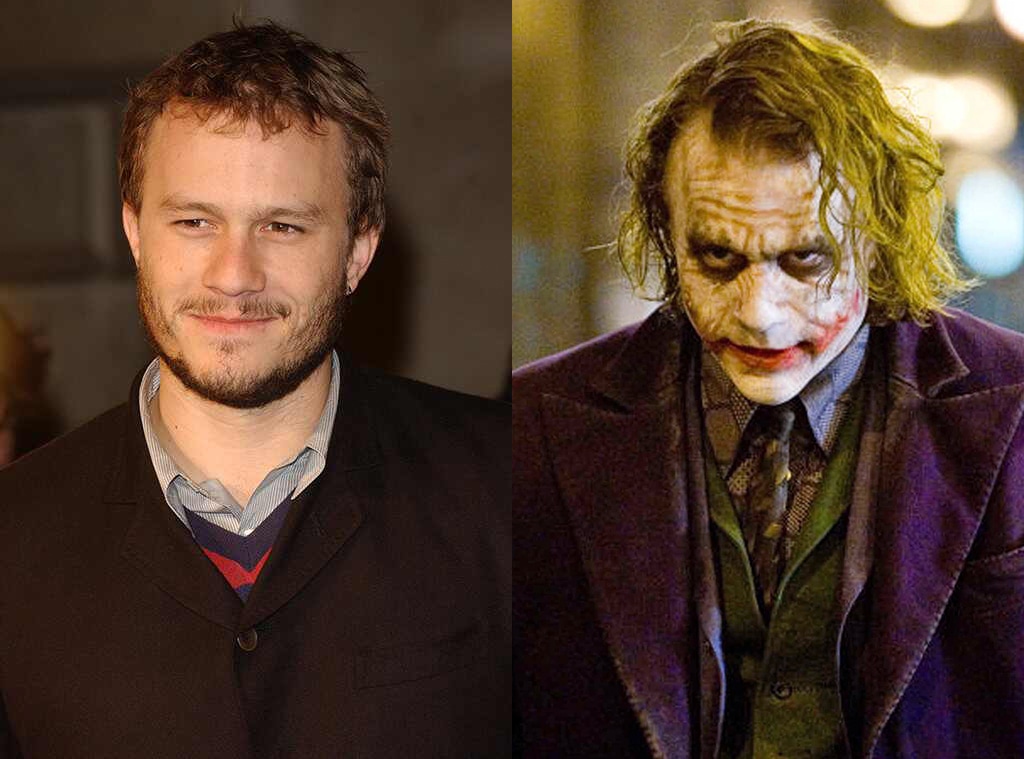
No discussion of celebrity transformations for roles is complete without acknowledging Heath Ledger’s preparation for The Joker in The Dark Knight — a transformation that operated almost entirely in the psychological dimension and produced what many consider the greatest villain performance in the history of superhero cinema.
Ledger spent months developing the character in isolation before filming began. He kept a journal in the character’s voice. He developed the specific physical mannerisms — the tongue movements, the head tilts, the unpredictable rhythms of movement and stillness — that made his Joker so genuinely unsettling. He developed the organic quality of the character’s makeup — the smeared, imprecise application that suggested a figure who had no interest in the conventions of the world he was disrupting.
The performance was recognized posthumously with a Best Supporting Actor Oscar — an award that the industry gave not as a sympathy gesture but as an honest acknowledgment of a performance that would have been recognized regardless of the circumstances surrounding it.
Ledger’s approach serves as an important reminder that the most profound transformations are not always visible on the surface. Sometimes the most important work happens in a private room, in a journal, in the quiet hours before the cameras roll.

Hilary Swank: Two Oscars, Two Total Transformations
Hilary Swank occupies a unique position in the history of celebrity transformations for roles because she has done it not once but twice — at the very highest level — and received Academy Award recognition both times.
For Boys Don’t Cry, Swank lived as a man in her personal life for weeks before filming began, learning to inhabit the physical and psychological space of Brandon Teena with an authenticity that went far beyond performance. The transformation was total, deliberate, and required a sustained commitment to a way of being in the world that was fundamentally different from her own.
For Million Dollar Baby, she underwent intensive boxing training that transformed her body into that of a credible professional fighter — gaining significant muscle mass while developing the technical skills and physical presence of an athlete who had dedicated her life to the sport.
Both performances earned her Best Actress Oscars. Both remain among the most fully committed and technically demanding performances in the history of the Academy Awards.

What All These Transformations Have in Common
Looking across the full landscape of celebrity transformations for roles — from Tom Holland’s current journey with Fred Astaire to Bale’s decades of physical reinvention, from Phoenix’s 52-pound loss to Portman’s 16-hour training days — several consistent themes emerge.
The first is humility. The actors who achieve the most remarkable transformations are consistently those who approach their subjects with genuine respect for the difficulty of what they are attempting. Tom Holland’s “absolute dread” is not weakness — it is the same quality of honest self-assessment that connects him to every actor on this list.
The second is patience. Christian Bale spent months gaining or losing weight. Natalie Portman spent a year in training. Gary Oldman spent four hours in a makeup chair every morning. These transformations do not happen quickly. They happen through sustained, patient, unglamorous effort accumulated over weeks and months.
The third is purpose. The most effective transformations are never ends in themselves. They are always in service of a character, a story, and a truth that could not be accessed any other way. When the transformation and the performance are perfectly aligned — when the physical reality of the actor’s body becomes inseparable from the emotional reality of the character — the result is the kind of performance that stays with audiences for decades.
FAQ: Celebrity Transformations for Roles
1. What is Tom Holland doing to prepare for the Fred Astaire biopic?
Tom Holland has begun intensive dance rehearsals for the Fred Astaire biopic, directed by Paul King and written by Steven Levenson. He has committed to performing all dance sequences himself without doubles and to filming them in single continuous takes, mirroring Astaire’s own filmmaking philosophy. He described the beginning of rehearsals as filling him with “absolute dread” alongside genuine excitement.
2. Who holds the record for the most extreme physical transformation for a film role?
Christian Bale is widely considered the actor with the most sustained record of extreme physical transformation, having gained and lost significant amounts of weight across multiple roles including The Machinist, Batman Begins, American Hustle, Vice, and Ford v Ferrari.
3. Which celebrity transformation earned the most Oscar recognition?
Multiple transformations have resulted in Academy Award wins. Joaquin Phoenix won Best Actor for Joker, Natalie Portman won Best Actress for Black Swan, Renée Zellweger won Best Actress for Judy, and Heath Ledger won Best Supporting Actor posthumously for The Dark Knight, among many others.
4. Are extreme physical transformations considered safe by medical professionals?
Extreme weight loss or gain for film roles is generally not recommended by medical professionals and can carry significant health risks. Many actors work with nutritionists and medical supervisors during transformation processes, though the extreme nature of some transformations has raised legitimate health concerns within the industry.
5. What makes Tom Holland’s Fred Astaire role particularly challenging?
Unlike many transformative roles that primarily involve physical appearance changes, Holland’s portrayal of Fred Astaire requires mastering a highly technical and specific dance discipline at a professional performance level — without the safety net of doubles or editorial assembly of multiple takes. The one-shot filming commitment means every dance must be executed perfectly from beginning to end.
Final Thoughts: The Art of Becoming Someone Else
The celebrity transformations for roles documented in this article represent the outer limits of professional commitment in one of the world’s most visible and scrutinized industries. They are not comfortable. They are not safe. They are not always healthy in the short term. But they are, in the most profound sense, authentic — evidence of what happens when a person decides that the story they are telling is worth every sacrifice required to tell it truthfully.
Tom Holland is at the beginning of that journey right now — standing at the edge of the Fred Astaire challenge with dread in his chest and determination in his step. If history is any guide — if the examples of Bale and Phoenix and Portman and Swank and all the others who faced their own versions of “absolute dread” and walked through it anyway tell us anything — what waits on the other side of that dread is something extraordinary.
We cannot wait to see it.
💾 Save this article for the most complete guide to Hollywood’s greatest transformations.
📤 Share it with every film lover and Tom Holland fan who needs to read this.
👣 Follow Truthsinside.com for the latest Celebrity entertainment stories that go deeper than the headlines.
🎵 Music
Maren Lull is a singer-songwriter who writes from the places most people don’t talk about out loud.
Not the dramatic grief. Not the obvious heartbreak. The quiet kind — the ordinary Tuesday emptiness, the habit of reaching for someone who isn’t there anymore, the particular exhaustion of being strong for so long that the strength itself wears thin.
Her music lives at the intersection of emotional honesty and soft beauty — breathy vocals over gentle piano, slow tempos, lyrics that feel less like songs and more like something you wrote in a private notebook at two in the morning and never showed anyone.
Maren Lull writes for the people who feel everything deeply and say very little about it. For the ones who listen to sad music not because they want to feel worse — but because being understood, even by a song, makes the feeling easier to carry.
📱 Follow Maren Lull:
→ Spotify
→ Apple Music
→ Youtube
→ Audiomack