When the Spotlight Becomes Too Much
Most people dream of being pulled from the crowd to share a stage with one of the world’s biggest R&B stars. The lights, the energy, the roar of thousands of fans — it is the kind of moment that feels magical from a distance. But research from the American Psychological Association consistently shows that unexpected high-pressure social situations can trigger genuine stress responses, even in contexts that appear exciting or celebratory. The body’s instinct to protect itself does not pause for concert tickets.
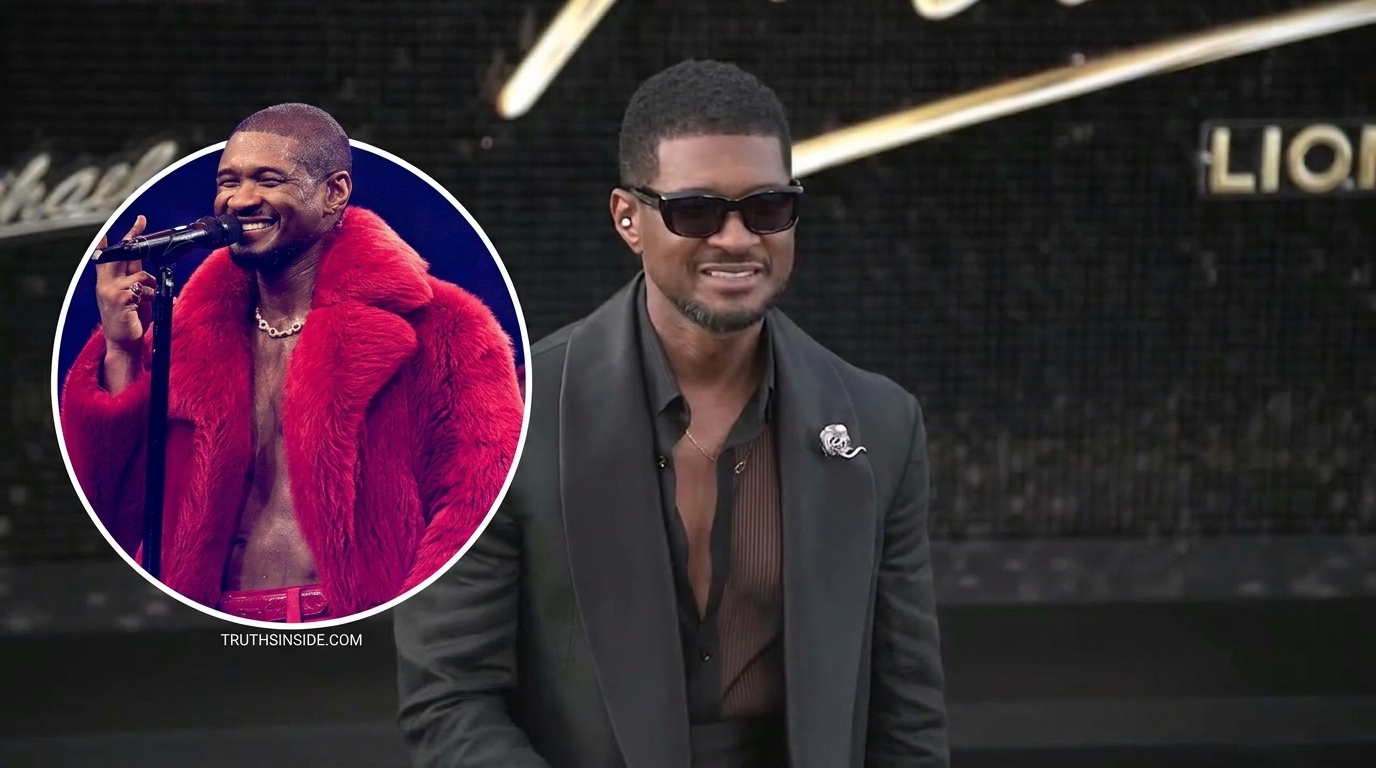
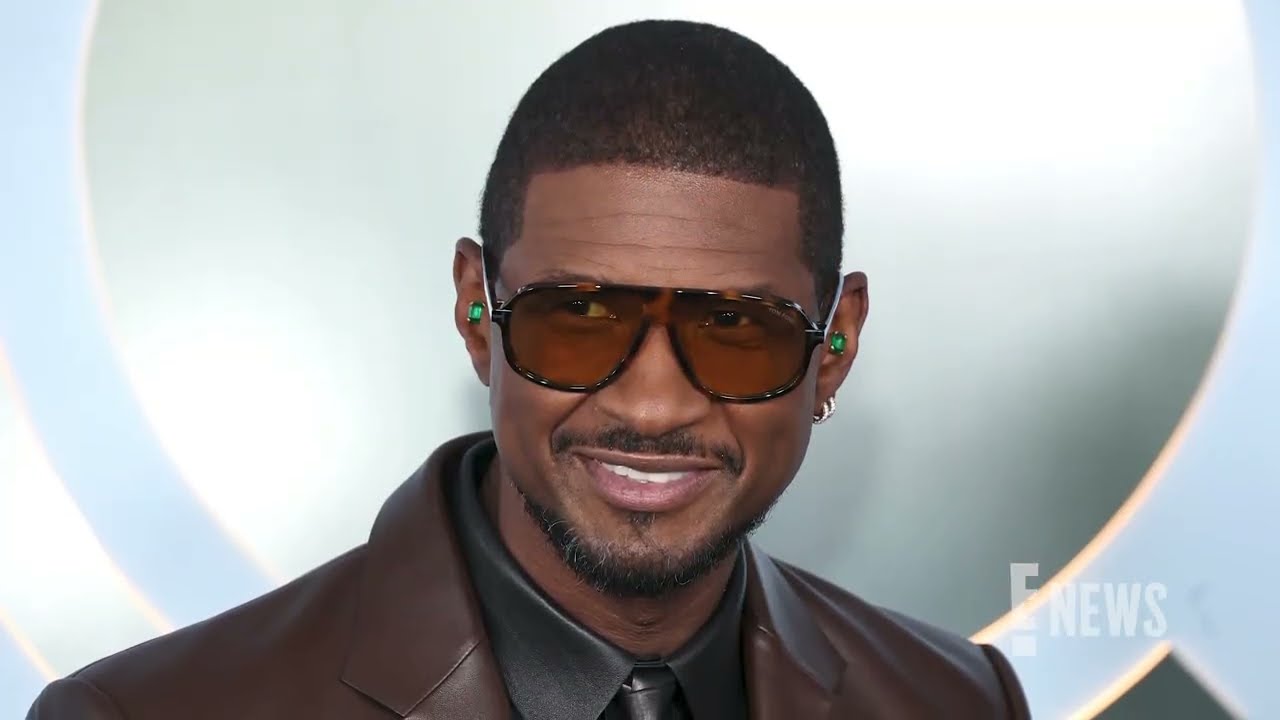
On July 25, 2024, that tension between fantasy and reality played out in full view of a packed Nashville arena when Usher removes fan from stage Nashville — a moment that quickly became one of the most debated celebrity concert incidents of the year.
What began as a standard, highly theatrical element of Usher’s live performance — an invitation for a lucky audience member to join him onstage during a sensual segment of the show — ended with a composed young woman being walked back offstage and the crowd erupting in a chorus of boos. Within hours, the footage had spread across social media platforms, sparking conversations far beyond the walls of that Nashville arena. Those conversations touched on consent, celebrity power, fan expectations, and the complex dynamics of live entertainment.
This is the full story — every detail of what happened, what the fan said in response, and what this moment reveals about the broader cultural conversation around personal boundaries in live performance spaces.

Usher Removes Fan from Stage Nashville: Inside the Incident
The Setup: A Tour Stop With Major Energy
The Nashville concert was part of a joint R&B tour featuring both Usher and Chris Brown — a pairing that brought enormous anticipation and enormous crowds to every stop on the schedule. Usher, one of the most accomplished and celebrated performers in the history of contemporary R&B, is known for his ability to command a stage with athletic precision, sensual charisma, and a performance style that draws heavily on physical expressiveness and audience interaction.
Inviting fans onstage during intimate performance segments is a well-established part of Usher’s live show experience. It is a moment that fans often hope for, anticipate, and photograph with excitement. The setup, on the surface, was entirely familiar — a theatrical bed placed center stage, Usher shirtless and in full performance mode, and an audience primed for an exciting, memorable moment.
The fan in question had originally been seated in floor seats alongside her mother. Before the concert began, she was unexpectedly moved to the VIP section — a change that, as she would later explain publicly, she had no context for and no prior warning about. She did not know she was being positioned for a potential onstage invitation. That detail matters enormously to understanding everything that followed.
📃 Related article: Olivia Rodrigo Julian Croonenberghs Relationship Confirmed
The Moment That Changed the Night
As the segment unfolded, Usher turned his attention to the selected fan and invited her onto the stage. She accepted. She took her place on the bed that had been set up for the performance segment — and that is where the expected script diverged from what actually happened.
Rather than leaning back, engaging with Usher’s sensual advances, or matching the energy he was bringing to the moment, the fan remained upright. Her posture was composed, her expression measured. She maintained her self-possession in a situation that was clearly designed to be disarming — and when Usher encouraged her to lie back and engage more fully with the intimate performance, she quietly but clearly communicated her reluctance.
She said “no.”
Two letters. One syllable. An entirely reasonable and human response to a situation she had not fully consented to or prepared for. Usher, to his credit, recognized the signal immediately. He stated plainly to the audience: “I don’t think she wants to be on the stage.” He then walked away from her, gestured for her to be escorted offstage, and continued with his performance.
The crowd responded with boos — directed, it appeared, at the fan rather than at the performer.

“She said no — two letters, one syllable, and an entirely reasonable human response to a situation she had not fully consented to or prepared for. What followed that quiet word says everything about how we still misunderstand personal boundaries in public spaces.”
The Crowd’s Reaction and What It Revealed
The audience’s booing response was perhaps the most culturally revealing element of the entire incident. The fan had done nothing wrong. She had accepted an invitation to participate in a performance segment, discovered that the nature of that participation was more intimate than she was comfortable with, and communicated her discomfort in the most direct and honest way available to her. She said no.
And yet, thousands of people in that arena chose to express disapproval — not at a situation that placed a fan in an uncomfortable position without adequate preparation, but at the fan herself for declining to perform on demand for their entertainment. That reaction, and the social media debate it sparked in the days that followed, is what transformed this from a concert curiosity into a genuinely important cultural moment worth examining at length.
The expectation embedded in those boos is worth naming explicitly. It suggested that a fan selected from the crowd to participate in a celebrity’s onstage segment has an obligation to deliver the experience the performer and audience expect — that the fan’s own comfort and personal limits are secondary to the entertainment value of the moment. That is a troubling expectation. And the fan at the center of this story addressed it directly and unapologetically.
📃 Related article: Ariana Grande Ricky Álvarez Romance Rekindled
The Fan Speaks Out: Her Response to the Online Backlash
Setting the Record Straight
In the days following the Nashville concert incident, the fan took to social media to address the wave of commentary — some of it critical, some of it supportive — that had accompanied the spread of the footage online. Her response was measured, clear, and impressively self-possessed given the circumstances.
She began by correcting a specific and persistent mischaracterization of the event. She had not, as some online commenters were claiming, refused the invitation to be onstage. She had accepted that invitation. She had gone up there. She had been present and engaged. The mischaracterization — that she was somehow sullen, unappreciative, or determined to ruin the moment — was inaccurate, and she said so plainly.
She then explained the critical context that most viewers of the footage did not have access to. She had originally been sitting in floor seats with her mother. Before the show began, she was relocated to the VIP section without being told why or what the relocation meant. She had no idea she was being positioned as a candidate for the onstage segment. She arrived at the concert as an audience member, not as a prepared participant in a specific performance element.
The Question She Asked the Internet
The most powerful moment of the fan’s public response was a single rhetorical question she posed to her critics online: Did they really expect her to engage sexually with Usher in front of thousands of people?
It was a sharp, precise, and entirely reasonable question. Stripped of the celebrity context, stripped of the excitement of the concert environment, the situation becomes quite clear. A woman was brought onstage without full knowledge of what was expected of her. She was then placed in an increasingly intimate scenario with a performer she had not agreed to engage with in that specific way. She communicated her discomfort. She was removed. And then thousands of people on the internet criticized her for it.
Her willingness to name that dynamic publicly — calmly and without drama — was widely praised by commenters who saw in her response exactly the kind of quiet dignity and self-awareness that the situation demanded.
The Social Media Response: Overwhelmingly Supportive
While the initial crowd reaction at the Nashville concert skewed negative toward the fan, the social media conversation that unfolded over subsequent days told a very different story. The overwhelming majority of online commentary praised the fan for her composure, her self-possession, and her willingness to advocate for her own comfort in a situation that carried enormous social pressure.
Comments highlighted admiration for someone who “knows exactly who she is” — a phrase that circulated widely in positive responses to her explanation. Others praised her for refusing to concede to uncomfortable advances simply because the person making those advances was a globally famous celebrity. The implicit message in much of the supportive commentary was powerful and straightforward: celebrity status does not override a person’s right to decline intimate physical interaction.
The fan’s composed, articulate public response transformed her from a passive subject of the story into its most compelling voice. She owned the narrative with grace — and the internet largely rewarded her for it.
“Celebrity status does not override a person’s right to decline intimate physical interaction — and the fan’s composed, articulate response to the backlash made that point more powerfully than any editorial could have.”
Usher’s History of Onstage Controversy: Putting Nashville in Context
The Super Bowl Halftime Show Debate
The Nashville incident did not emerge from a vacuum. Usher’s 2024 had already produced one significant controversy around performance intimacy before the Nashville tour stop even began. During the Super Bowl halftime show in February 2024, Usher delivered a high-energy, critically acclaimed performance that also featured a shared segment with Alicia Keys — and that segment attracted considerable online attention for what some viewers perceived as overly physical or intimate interaction between the two artists.
Social media responses ranged from lighthearted humor to genuine criticism, with some viewers questioning the appropriateness of the physical dynamics between Usher and Keys given that Alicia Keys is publicly married to music producer Swizz Beatz. The conversation was not entirely serious — much of it carried the playful, speculative energy that tends to accompany celebrity moments on social media — but it was widespread enough to generate real headlines.
Swizz Beatz responded publicly and definitively. He defended the performance with clarity and pride, emphasizing its professionalism, its artistic significance, and the historic nature of the Super Bowl halftime platform. His response was widely covered and largely effective at redirecting the narrative toward the achievement of the performance itself rather than the online speculation surrounding it.
📃 Related article: Benito Skinner Blonde Hair: A Bold Stunning Transformation
A Pattern Worth Acknowledging
Taken together, the Super Bowl halftime show conversation and the Nashville concert incident sketch a pattern around Usher’s performance style that is worth acknowledging honestly. Usher’s stage persona is built on sensuality — it has been central to his artistic identity for over two decades and is a significant reason for his enduring success and cultural relevance. His live shows are designed to be physically expressive, emotionally charged, and intimately engaging.
That style creates moments of genuine magic for audiences who experience it from a comfortable distance. But it also creates specific and meaningful challenges when real audience members — people who did not sign up to participate in intimate performance scenarios — are brought into direct contact with that energy without adequate preparation or fully informed consent.
The Nashville incident does not erase Usher’s extraordinary career or diminish his considerable artistry. But it does invite a thoughtful conversation about how live entertainment practices around fan participation might evolve to better protect the dignity and comfort of the individuals selected to participate in them.
The Bigger Conversation: Consent, Boundaries, and Celebrity Spaces
Fan Agency in Live Performance Contexts
What makes the Nashville incident particularly significant from a cultural perspective is the way it crystallized a conversation that had been building for some time around fan agency in live performance contexts. Concert fans — especially those selected for special onstage experiences — are often placed in high-pressure social situations where the implicit expectations of the performer, the audience, and the media can create enormous pressure to behave in specific ways.
The social cost of “ruining the moment” is real and immediate. Thousands of people are watching. The camera is rolling. The performer has a script and an energy they are working to sustain. In that environment, the path of least resistance is to comply — to participate fully, to reciprocate the intimacy, to give the crowd the performance they came to see.
The Nashville fan did not take that path. And the fact that her refusal was publicly criticized — even momentarily — reveals how deeply embedded the expectation of compliance is in these situations. That expectation deserves scrutiny.
Consent Does Not Pause for Celebrity
One of the most consistent themes in the supportive online response to the Nashville fan was a reminder that applies universally and without exception. The fame, talent, or star power of the person initiating an intimate interaction does not alter the fundamental dynamics of consent. A person’s right to decline physical or sexually coded interaction is not diminished by the size of the stage, the number of people watching, or the celebrity status of the person making the advance.
Usher’s immediate recognition of the fan’s reluctance and his decision to end the segment cleanly and move on was actually handled with reasonable professionalism in the moment. His statement — “I don’t think she wants to be on the stage” — acknowledged her signal without creating further discomfort or embarrassment. The more troubling element was the crowd’s booing response, which directed its disapproval at the fan for exercising a right that required no justification whatsoever.
What the Entertainment Industry Can Learn
The Nashville incident offers a genuine opportunity for the live entertainment industry to reflect on its practices around fan participation segments. Inviting audience members onstage for intimate performance moments is a common and often beloved feature of R&B and pop concerts — but the current approach frequently lacks the kind of preparation and transparency that would allow selected fans to make genuinely informed decisions about their participation.
A simple shift — informing selected fans in advance about the nature of the segment they are being invited into, and creating a clear and socially acceptable mechanism for declining without public consequence — would go a long way toward preventing future incidents like the one that unfolded in Nashville. Fans deserve the opportunity to make enthusiastic, informed choices about their participation in these moments. Anything less creates the conditions for exactly the kind of discomfort and controversy that no performer or fan should have to navigate.
FAQ: Usher Nashville Fan Incident
Q1: What exactly happened when Usher removed the fan from the stage in Nashville?
During a July 25, 2024, concert in Nashville — part of a joint tour with Chris Brown — Usher invited a female fan onstage for a sensual performance segment involving a bed placed center stage. When the fan declined to fully engage with Usher’s advances and quietly communicated her reluctance by saying “no,” Usher acknowledged her discomfort with the statement “I don’t think she wants to be on the stage” and had her escorted offstage. The crowd responded with boos directed at the fan.
Q2: How did the fan respond to online criticism after the Nashville incident?
The fan addressed the criticism directly on social media. She clarified that she had not refused the invitation to be onstage, but had accepted it willingly. She explained that she had originally been in floor seats with her mother before being moved to the VIP section without knowing she was being positioned for an onstage invitation. She also posed a direct rhetorical question to her critics — asking whether they genuinely expected her to engage sexually with Usher in front of a large crowd.
Q3: Was the Nashville incident the only controversy Usher faced in 2024?
No. Earlier in 2024, Usher’s Super Bowl halftime show performance with Alicia Keys generated online debate about the physical nature of their shared stage interaction. Some social media users criticized what they perceived as overly intimate gestures between the two artists. Alicia Keys’ husband, Swizz Beatz, publicly defended the performance as professional, artistic, and historically significant.
Q4: Did Usher handle the Nashville situation appropriately?
Opinion was divided, but many observers noted that Usher’s in-the-moment handling was relatively professional. He recognized the fan’s reluctance without prolonging the uncomfortable situation, made a clear statement acknowledging her discomfort, and moved the show forward. The more widely criticized response was the crowd’s booing reaction to the fan’s perfectly reasonable decision to decline intimate participation.
Q5: What broader conversation did the Nashville incident spark?
The incident prompted widespread online discussion about fan agency in live concert settings, the dynamics of consent in celebrity-fan interactions, and the implicit social pressure placed on audience members selected for onstage participation segments. It also raised questions about whether live entertainment practices around fan participation adequately inform and protect the individuals invited to participate in intimate performance moments.
Final Thoughts
When Usher removes fan from stage Nashville became a headline in July 2024, it sparked something more meaningful than a typical concert controversy. It opened a genuine and necessary conversation about the boundaries between performance and personal space, the rights of individuals in high-pressure celebrity environments, and the way public audiences sometimes direct their disappointment at the wrong person entirely.
The fan at the center of this story handled an unexpected, uncomfortable, and very public situation with remarkable composure. She said no. She explained herself clearly and calmly when given the opportunity. And she received, ultimately, the kind of support that reflects a broader cultural awakening around the importance of respecting personal limits — regardless of how bright the stage lights are.
Usher remains one of the most talented live performers of his generation. And this moment — handled thoughtfully — can serve as an opportunity for the entire live entertainment industry to think more carefully about what it means to truly respect the people it invites into its most intimate performance spaces.
💾 Save this article to share the next time someone questions whether saying no is ever the wrong choice.
📲 Share it with someone who needs to hear that personal boundaries matter in every space — including sold-out arenas.
👣 Follow Truthsinside.com for the most thoughtful, in-depth celebrity and entertainment coverage delivered with perspective and integrity.
🎵 Music
Maren Lull is a singer-songwriter who writes from the places most people don’t talk about out loud.
Not the dramatic grief. Not the obvious heartbreak. The quiet kind — the ordinary Tuesday emptiness, the habit of reaching for someone who isn’t there anymore, the particular exhaustion of being strong for so long that the strength itself wears thin.
Her music lives at the intersection of emotional honesty and soft beauty — breathy vocals over gentle piano, slow tempos, lyrics that feel less like songs and more like something you wrote in a private notebook at two in the morning and never showed anyone.
Maren Lull writes for the people who feel everything deeply and say very little about it. For the ones who listen to sad music not because they want to feel worse — but because being understood, even by a song, makes the feeling easier to carry.
📱 Follow Maren Lull:
→ Spotify
→ Apple Music
→ Youtube
→ Audiomack