
The Emotional Aftershock of Cheating: Feelings Both Partners Experience
The emotional aftershock of cheating is one of the most psychologically complex, least honestly discussed dimensions of infidelity — and it belongs to both people in the relationship, not just one. If you have been cheated on, you already know that the word “devastated” does not come close to capturing what the discovery actually feels like — the specific, total quality of a reality that restructures itself in an instant, retroactively recoloring every memory, every moment, every version of yourself you inhabited inside that relationship.
And if you are the one who cheated, you may be carrying something that is equally difficult to name — not a simple guilt that resolves with apology, but a complicated, multilayered emotional experience that includes shame, self-alienation, and a reckoning with who you are that most conversations about infidelity never make space for. Research from the American Association for Marriage and Family Therapy estimates that infidelity affects approximately 15% of wives and 25% of husbands in the United States — and that the emotional aftermath, for both parties, consistently ranks among the most psychologically significant experiences adults report in their lifetime.
This article does not minimize the betrayal. It does not equate the pain of the betrayed partner with the experience of the one who cheated — those are not equivalent, and treating them as such would be dishonest. What it does do is examine the full emotional landscape of infidelity’s aftermath — because healing, whether the relationship survives or not, requires an honest map of the terrain both people are actually navigating. Platitudes do not produce recovery. Honest understanding does. Nine raw truths follow — for both sides of one of the most painful human experiences a relationship can produce.
Truth 1: The Emotional Aftershock of Cheating Produces Genuine Trauma
The emotional aftershock of cheating in the betrayed partner is not metaphorical trauma. It is clinical trauma — producing a symptom profile that research consistently shows mirrors Post-Traumatic Stress Disorder with striking specificity. Intrusive thoughts and flashbacks — unbidden mental images of the betrayal, the other person, the moments of deception — that arrive without invitation and cannot be suppressed through willpower alone. Hypervigilance — a chronic, exhausting state of heightened alertness in which the nervous system scans the environment for further threat, producing anxiety in situations that would previously have felt entirely safe. Emotional flooding — waves of grief, rage, despair, and disbelief that arrive with full intensity and recede without warning, leaving exhaustion in their wake.
Dr. Dennis Ortman, a clinical psychologist and author of Transcending Post-Infidelity Stress Disorder, formally proposed the diagnosis of Post-Infidelity Stress Disorder to describe this specific trauma constellation — arguing that the unique features of betrayal by a romantic partner produce a trauma profile with distinct characteristics not fully captured by general PTSD frameworks. The betrayal is intimate. The threat came from the safest relationship in the person’s life. And the traumatic event is not a single moment but a revelation that retrospectively contaminates an entire shared history.
Understanding this as genuine trauma — not oversensitivity, not inability to cope, not a choice to remain victimized — is the first and most important reframe available to betrayed partners and those who support them. You are not failing to manage your emotions. Your nervous system is responding exactly as nervous systems respond to genuine, serious threat. That response deserves clinical-level compassion and support, not social pressure to recover on a timeline that serves other people’s comfort.
Truth 2: The Betrayed Partner Grieves Multiple Losses Simultaneously
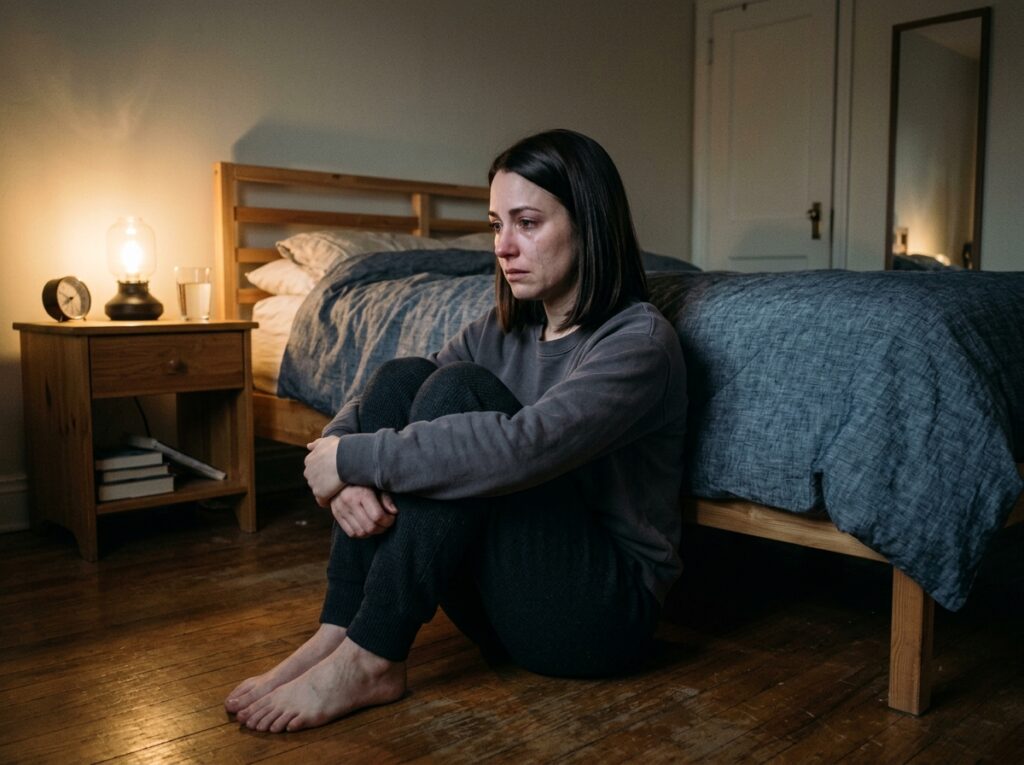
One of the most exhausting and least understood dimensions of the emotional aftershock of cheating is that the betrayed partner is not grieving a single loss. They are grieving multiple simultaneous losses — each real, each significant, each requiring its own processing — while being expected by themselves and others to function in daily life.
There is the loss of the relationship as it was understood — the version of the partnership that felt real and safe and chosen. There is the loss of the future that was being built — the plans, the assumptions, the life architecture constructed on a foundation now revealed to be different than believed. There is the loss of the past — not the relationship’s future, but its history — as memories become suspect, moments of apparent closeness are recontextualized through the lens of the deception occurring simultaneously. “Where was he really?” “What was she thinking during that vacation?” “Was any of it real?”
And there is a fourth loss that is perhaps the most quietly devastating — the loss of self-trust. The discovery of infidelity does not just damage trust in the partner. It damages the betrayed person’s trust in their own perception. “How did I not know?” “What else am I missing?” “Can I trust my own read on reality?” This self-directed doubt — the erosion of confidence in one’s own perceptual accuracy — is one of the longest-lasting effects of betrayal trauma and one of the most important to explicitly name and address in recovery.
📃 Related article: Nostalgia and Love: 7 Reasons We Romanticize the Past
Truth 3: Rage and Love Coexist — and Both Are Valid
The emotional aftershock of cheating rarely arrives in clean, sequential stages that can be neatly processed and moved through. More commonly, it arrives as a simultaneous, contradictory flood of emotions that logic cannot fully organize — because the heart does not organize its experience according to logical categories.
You can love someone completely and be furious at them in the same breath. You can want them to stay and want them to leave within the same hour. You can grieve the relationship with genuine depth while simultaneously feeling relief that something you sensed but couldn’t name has finally been confirmed. You can hate what they did while being unable to stop loving who you believed they were. These contradictions are not signs of confusion or weakness. They are the authentic emotional signature of a significant attachment bond that has been severely damaged but not instantly destroyed.
The cultural narrative around cheating tends to demand a cleaner response — immediate, decisive anger leading to departure, or immediate, gracious forgiveness leading to reconciliation. Both of these clean narratives are lies that serve other people’s comfort rather than the betrayed partner’s genuine emotional experience. The actual experience is messier, more contradictory, more human than either story allows. Honoring the full complexity of that experience — rather than editing it to fit a more socially acceptable shape — is one of the most important things a betrayed partner can do for their own recovery.
“The emotional aftershock of cheating does not arrive in stages. It arrives as a flood — love and fury, grief and relief, devastation and clarity — all at once. All valid. All part of the same real human response to real human betrayal.”
Truth 4: The Person Who Cheated Is Also in Emotional Turmoil — And That Complexity Matters
Honest examination of infidelity’s emotional aftermath requires acknowledging the emotional experience of the person who cheated — not to excuse the behavior, not to equate their experience with the betrayed partner’s, but because understanding the full emotional landscape is necessary for any genuine attempt at either recovery or resolution.
The person who cheated is almost never experiencing the simple, cold indifference that the betrayed partner sometimes imagines. More commonly, they are navigating a complicated cluster of emotions that includes genuine guilt — the specific pain of knowing you have caused serious harm to someone you care about. Shame — the deeper, more personal experience of feeling that the act reveals something damaging about who you are as a person. Self-alienation — a disconcerting gap between the self-image you held before and the behavior you are now accountable for. Fear — of loss, of judgment, of what the revelation of this act says about the entire relationship’s foundation.
Some people who cheat minimize these emotions through rationalization — constructing narratives that reduce their accountability and protect their self-image. Others are genuinely overwhelmed by them — struggling with a level of self-directed shame that, without therapeutic support, can paradoxically prevent the genuine accountability and repair work that the betrayed partner needs. Understanding this range does not ask the betrayed partner to manage the cheating partner’s emotional experience. It asks for recognition that the aftermath exists on both sides of the act — in different forms, with different moral weights, but with equal psychological reality.
Truth 5: Trust Doesn’t Break in One Place — It Shatters Everywhere
One of the most practically challenging dimensions of the emotional aftershock of cheating is the way betrayal damages trust — not just in the specific partner who cheated, but in a much wider sphere of relational trust that the betrayed person carries into every subsequent interaction.
Trust in the specific partner is the most obvious casualty. Every statement they make, every location they report, every explanation they offer now passes through a filter of “is this true?” that is exhausting to maintain and nearly impossible to turn off. But the damage extends further. Trust in close friends who knew and said nothing. Trust in one’s own ability to read people accurately. Trust in the institution of committed relationship itself — the foundational assumption that someone who has chosen you will continue to honor that choice.
Research by Dr. Shirley Glass, whose landmark work on infidelity remains essential reading in the field, found that betrayed partners consistently reported broader trust damage — affecting not just the primary relationship but their general sense of interpersonal safety — that persisted significantly longer than either they or their partners anticipated. This broader trust damage is not irrational generalization. It is the nervous system doing its job — expanding its threat detection range in response to evidence that the previously trusted environment was less safe than believed.
Truth 6: The Question of Staying or Leaving Is More Complex Than Anyone Admits
The social narrative around cheating typically delivers a clear verdict: leave. Self-respect demands it. Staying means accepting unacceptable treatment. These statements contain real truth — and they are also incomplete in ways that matter enormously to the people actually living inside the decision.
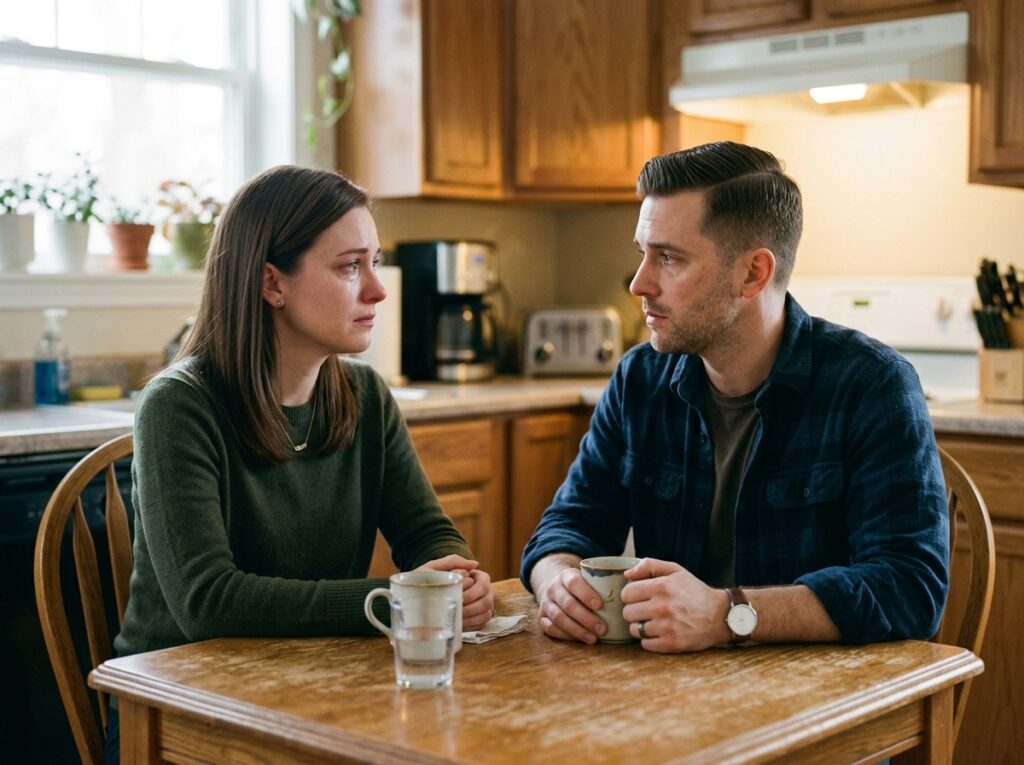
The reality is that the decision to stay or leave after infidelity is one of the most genuinely complex choices a person can face — and it deserves to be made with full information, sufficient time, and freedom from both external pressure and internal shame about whichever direction it points. Some relationships are not worth saving — because the cheating was part of a broader pattern of disrespect, because genuine remorse is absent, because the betrayed partner’s wellbeing cannot be rebuilt inside the relationship. These are real and valid reasons to leave.
But some relationships — after genuine accountability from the cheating partner, honest examination of what drove the infidelity, and serious therapeutic work by both people — do rebuild into something more honest and more intentional than what existed before. Research from the Journal of Marital and Family Therapy found that approximately 60 to 75 percent of couples who remain together after infidelity and engage in couples therapy report significant improvement in relationship satisfaction over time. Neither staying nor leaving is inherently stronger, wiser, or more self-respecting. The right decision is the one made with honest information, genuine self-knowledge, and full acknowledgment of what the relationship actually is and what it would actually require to become something worth remaining in.
📃 Related article: Love-Hate Dynamic: 7 Reasons Toxic Love Traps You
Truth 7: Recovery — Whether Together or Apart — Requires More Than Time
Time is the answer most commonly offered to the emotional aftershock of cheating. Give it time. Time heals. It will get easier with time. Time is genuinely a component of recovery — the nervous system needs duration to downregulate from trauma, and the emotional processing of significant loss cannot be rushed. But time alone, without active, intentional healing work, does not produce recovery. It produces suppression — the emotions become less acutely present but remain structurally unresolved, available to be reactivated by future triggers with full original intensity.
Real recovery — whether the relationship continues or ends — requires active, honest engagement with the emotional material the infidelity produced. For the betrayed partner, this means allowing the full range of emotional responses to be felt and processed rather than suppressed in service of appearing to cope or moving forward faster than is genuine. It means rebuilding self-trust deliberately and with support. It means examining and grieving each specific loss rather than treating them as a single undifferentiated wound.
For the person who cheated, real recovery means genuine accountability — not performed remorse designed to produce forgiveness, but honest examination of what drove the behavior, what it cost the person they harmed, and what genuine change looks like and requires. Therapy — individual for both, couples when both are committed — is not supplementary to this process. For most people, it is the process. The emotional material produced by infidelity is sufficiently complex and sufficiently charged that attempting to navigate it without professional support is significantly less effective than most people acknowledge.
Truth 8: Rebuilding After Cheating Requires a New Relationship — Not a Repaired One
For couples who choose to remain together after infidelity, one of the most important psychological reframes available is this: the relationship that existed before cannot be repaired. It can only be replaced. Repair implies restoring something to its previous condition — but the previous condition included the conditions that made the infidelity possible, the communication patterns that failed to prevent it, the unexamined assumptions that left vulnerabilities unaddressed. Restoring that version of the relationship does not serve either person.
What becomes possible — with genuine effort, genuine accountability, and genuine therapeutic support — is the construction of a new relationship between the same two people. A relationship that is more honest about vulnerabilities and needs. More explicit about boundaries and expectations. More communicatively sophisticated about conflict, disconnection, and desire. More deliberately chosen — not assumed or drifted into — because both people have now faced what the relationship can become when it is not actively tended.
This reframe matters practically because it removes the pressure to “get back to how things were” — a goal that is both impossible and undesirable. It replaces that pressure with a more honest and more achievable goal: building something genuinely better from the wreckage of something that needed to be rebuilt anyway. Not every couple can do this. Not every infidelity leaves sufficient foundation to build from. But for those who can and choose to — the destination is not restoration. It is transformation.
“After infidelity, you cannot go back to what you were. You can only decide whether what comes next — built on honest ground — is something worth building together, or something each person builds alone. Both are valid answers. Both deserve to be chosen freely.”
Truth 9: Both Partners Need Individual Support — Not Just the Relationship
The emotional aftershock of cheating produces individual psychological wounds in both partners that require individual attention — not just the relational attention that couples therapy provides. This distinction is important and frequently overlooked in the rush to address the relationship’s status.
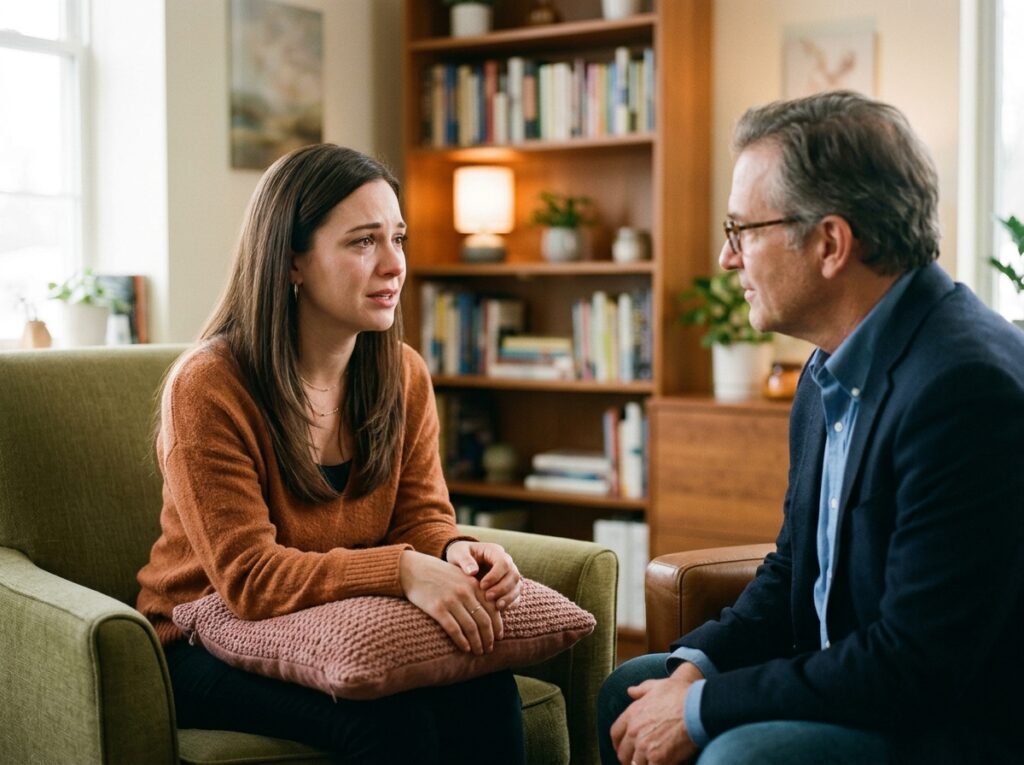
The betrayed partner needs individual therapeutic support to process trauma, rebuild self-trust, work through the grief of multiple simultaneous losses, and make genuinely free decisions about the relationship’s future from a place of psychological clarity rather than trauma reactivity. Without this individual work, decisions about staying or leaving are made from the most activated, least resourced version of the self — and they may not reflect what genuine clarity and recovery would produce.
The person who cheated needs individual therapeutic support to honestly examine what drove the behavior — not to construct a self-exonerating narrative, but to genuinely understand the psychological conditions, unmet needs, characterological patterns, or situational factors that contributed to the choice. Without this examination, the risk of repetition — in this or future relationships — remains structurally unchanged. Both people, carrying their individual wounds and their individual responsibilities into the aftermath, deserve the support of someone whose entire professional focus is on their individual healing. The relationship, if it is to continue, is built on the foundation of those two individual recoveries. It cannot be stronger than the people constructing it.
A Final Word on Both Kinds of Pain
The emotional aftershock of cheating does not fit into clean moral categories — and pretending it does serves neither healing nor honesty. The betrayed partner’s pain is real, severe, and deserving of every resource available to support its healing. The cheating partner’s emotional experience is real, morally complex, and equally in need of honest examination rather than performance or suppression.
What both people share — in their very different experiences of the same event — is the need to be seen clearly. Not reduced to a role. Not simplified into a villain or a victim. But seen as full, complex, wounded human beings navigating the aftermath of something that changed the relational landscape they both lived in.
Whether the relationship survives infidelity or not, the individual people involved deserve to come through it more self-aware, more honest, and more capable of genuine intimacy than they were before it. That outcome is not guaranteed by any specific decision about the relationship’s future. It is built, slowly and honestly, through the quality of the healing work each person chooses to do — for themselves, regardless of what happens between them.
📃 Related article: Jealousy as an Emotion: 7 Powerful Truths It Reveals
💾 Save this article. Share it with someone navigating this aftermath. Follow Truthsinside.com for love, emotions, and psychology content that tells the whole truth — with care.
FAQ
Q1: How long does the emotional aftershock of cheating typically last?
Research suggests that acute trauma symptoms following infidelity discovery typically peak within the first one to three months and begin to stabilize between six months and one year with active support and healing work. However, full emotional recovery — including rebuilt self-trust, reduced hypervigilance, and genuine processing of all associated losses — more commonly takes two to four years, particularly when the relationship continues and trust must be rebuilt within the ongoing dynamic. Individual therapy significantly accelerates this timeline compared to time alone without support.
Q2: Is it normal to still love someone who cheated on you?
Completely normal — and one of the most confusing aspects of infidelity’s emotional aftermath. Attachment bonds formed in significant romantic relationships do not dissolve in response to betrayal, however severe. The love and the hurt coexist — sometimes painfully, sometimes confusingly, always honestly. The presence of continued love does not obligate any specific decision about the relationship’s future. It simply means you loved someone real, and that love was real, regardless of what they did with it. Both the love and the response to the betrayal deserve to be honored without requiring either to cancel the other.
Q3: Can a relationship actually recover from cheating — or does it just appear to?
Both outcomes occur in reality. Research indicates that couples who engage in genuine therapeutic work following infidelity — where the cheating partner takes full accountability, the underlying conditions are honestly examined, and both people commit to building something genuinely different — report authentic relationship improvement. Couples who reconcile without this work more commonly report surface recovery — a functional relationship that carries unprocessed resentment, unaddressed vulnerability, and reduced genuine intimacy. The distinguishing factor is the quality and honesty of the recovery work, not the decision to stay.
Q4: Should I tell people in my life that I was cheated on?
This decision belongs entirely to you and deserves to be made based on your own needs rather than social expectation or shame management. Telling trusted people in your support network — close friends, family members, a therapist — can provide essential emotional support and reduce the isolating quality of carrying significant pain privately.
However, broad disclosure — particularly in shared social circles — creates complications that can complicate the relationship’s recovery if you choose to stay, and can produce unwanted social dynamics even if you leave. Selective, intentional disclosure to people whose support is genuine and whose discretion is trustworthy serves healing better than broad disclosure driven by the acute need to externalize pain.
Q5: Does the person who cheated actually feel guilt — or do they just perform it?
Both occur — and the distinction matters enormously for recovery decisions. Genuine guilt is accompanied by behavioral accountability — the cheating partner takes full responsibility without minimizing, provides honest answers to difficult questions without defensiveness, demonstrates sustained behavioral change without being prompted, and prioritizes the betrayed partner’s healing needs over their own comfort. Performed remorse is emotional without accountability — tears and apologies that do not translate into honest answers, transparent behavior, or genuine changed patterns. Observing behavior over time — not just in the immediate aftermath — is the most reliable way to distinguish between the two.
🎵 Music
Maren Lull is a singer-songwriter who writes from the places most people don’t talk about out loud.
Not the dramatic grief. Not the obvious heartbreak. The quiet kind — the ordinary Tuesday emptiness, the habit of reaching for someone who isn’t there anymore, the particular exhaustion of being strong for so long that the strength itself wears thin.
Her music lives at the intersection of emotional honesty and soft beauty — breathy vocals over gentle piano, slow tempos, lyrics that feel less like songs and more like something you wrote in a private notebook at two in the morning and never showed anyone.
Maren Lull writes for the people who feel everything deeply and say very little about it. For the ones who listen to sad music not because they want to feel worse — but because being understood, even by a song, makes the feeling easier to carry.
📱 Follow Maren Lull:
→ Spotify
→ Apple Music
→ Youtube
→ Audiomack