There is a version of a person that only shows up in one specific context — and no amount of charming dinner conversation, thoughtful texts, or perfect date behavior will ever reveal it. That version only appears when a child is involved. How someone parents — or how they speak about parenting, interact with children, or handle the responsibilities that come with raising a young human being — is one of the most accurate windows into their true character that you will ever get access to.
According to a 2021 study published in the Journal of Family Psychology, a person’s parenting behavior is one of the strongest predictors of long-term relationship satisfaction, particularly for couples who eventually live together or raise children. The research found that emotional regulation, empathy, and patience — all qualities that healthy parenting requires — are the same qualities that sustain intimate relationships over time. In other words, how someone parents is deeply connected to how they will love you.
This article is for anyone who is getting serious with someone who has children, or who is observing how a potential long-term partner relates to children in general. Parenting red flags are not just about protecting kids — they are about protecting yourself. Because the patterns you see in how someone parents will eventually show up in how they treat you, handle conflict, and respond to vulnerability. Recognizing these warning signs early could save you from years of heartache.
Why Parenting Behavior Reveals So Much
A first date is a performance — not in a manipulative way, but in the natural human way. People present their best selves when they are trying to make an impression. They are patient, attentive, charming, and emotionally available. That version is real, but it is not the complete picture.
Children, however, are not impressed by first-date energy. They push limits. They demand attention at inconvenient times. They cry, tantrum, interrupt, and need things repeatedly. The way an adult responds to those moments — the moments when patience is tested and there is nothing social to gain from performing well — is the truest behavioral data you will ever observe about that person’s character.
Psychologist Dr. Dan Siegel, one of the world’s leading experts on interpersonal neurobiology and parenting, has written extensively about how a person’s capacity for emotional regulation is most visible in high-stress caregiving moments. When a child is difficult, a parent’s nervous system response is raw and unfiltered. What you see in those moments is who they actually are — not who they want you to think they are.
This is why paying attention to parenting red flags is one of the most intelligent things you can do before committing to a serious relationship.
The Difference Between Imperfect Parenting and Red Flag Parenting
Before listing the warning signs, it is important to make a crucial distinction. No parent is perfect. Every parent loses patience occasionally, says the wrong thing, makes a mistake, or has a bad day. Imperfect parenting is human. It is universal. It is not a red flag.
Red flag parenting is different. It is not about isolated bad moments — it is about consistent patterns of behavior that reflect a deeper issue: lack of empathy, emotional immaturity, disrespect for boundaries, or an unwillingness to take responsibility. The difference between an imperfect parent and a red flag parent is not the mistake — it is what happens after the mistake, and how frequently those patterns repeat.
Keep that distinction close as you read the following nine signs. You are not looking for perfection. You are looking for patterns.
📃 Related article: What Does It Actually Feel Like to Fall in Love? Science + Real Stories
“A person who cannot regulate themselves in front of a child will not regulate themselves in front of you when things get hard. Character is consistent — even when we wish it weren’t.”
9 Parenting Red Flags to Never Ignore
Red Flag 1: They Speak Negatively About Their Child to Others
One of the earliest and most telling parenting red flags is how someone speaks about their child when the child is not present. Healthy parents — even frustrated ones — maintain a fundamental layer of dignity and protection around how they discuss their children to others, especially people they are newly dating.
If someone regularly speaks about their child with contempt, mockery, or cruelty — calling them “exhausting,” “a nightmare,” or using dismissive language that dehumanizes the child’s emotional experience — pay close attention. This is not venting. Venting sounds like “It’s been a really tough week.” Contempt sounds like “My kid is honestly just too much sometimes. I don’t know why they’re like that.”
That kind of language reveals a lack of empathy for the child’s inner world. And a person who cannot extend empathy to someone completely dependent on them will not consistently extend it to you when you are vulnerable.
Red Flag 2: They Use the Child as a Weapon in Co-Parenting Conflicts
Divorce and co-parenting are genuinely hard. No one handles them perfectly, and some co-parenting relationships are legitimately toxic due to the other party’s behavior. That context matters and deserves compassion.
However, a significant parenting red flag appears when someone consistently uses their child as a tool for punishing or manipulating their ex-partner — denying visitation as a power move, coaching the child to say negative things about the other parent, or making custody decisions based on what hurts the ex most rather than what is best for the child.
This behavior reveals a willingness to harm a child emotionally in order to “win” a conflict. That same conflict style — using the most vulnerable available person as a weapon — will eventually find its way into your relationship. The target changes. The behavior does not.
Red Flag 3: They Have No Emotional Patience With the Child
Watch what happens when a child is upset, clingy, or demanding at an inconvenient moment. Healthy parents may feel frustrated — that is normal. But they work to regulate themselves, maintain a baseline of warmth, and respond to the child’s emotional need even imperfectly.
A red flag appears when the response is consistently harsh, cold, dismissive, or disproportionate. When a toddler’s crying is met with eye-rolling and snapping rather than any attempt at comfort. When a child’s fear is ridiculed rather than acknowledged. When emotional needs are treated as an inconvenience rather than a natural part of having a child.
Research from Harvard’s Center on the Developing Child confirms that consistent emotional dismissal in early childhood creates lasting damage to a child’s developing brain and attachment system. But beyond the child’s wellbeing, this behavior tells you something critical: this person has low emotional patience. And low emotional patience does not stay in the parenting lane. It spills into every close relationship.
Red Flag 4: They Make the Child Responsible for Their Emotional State
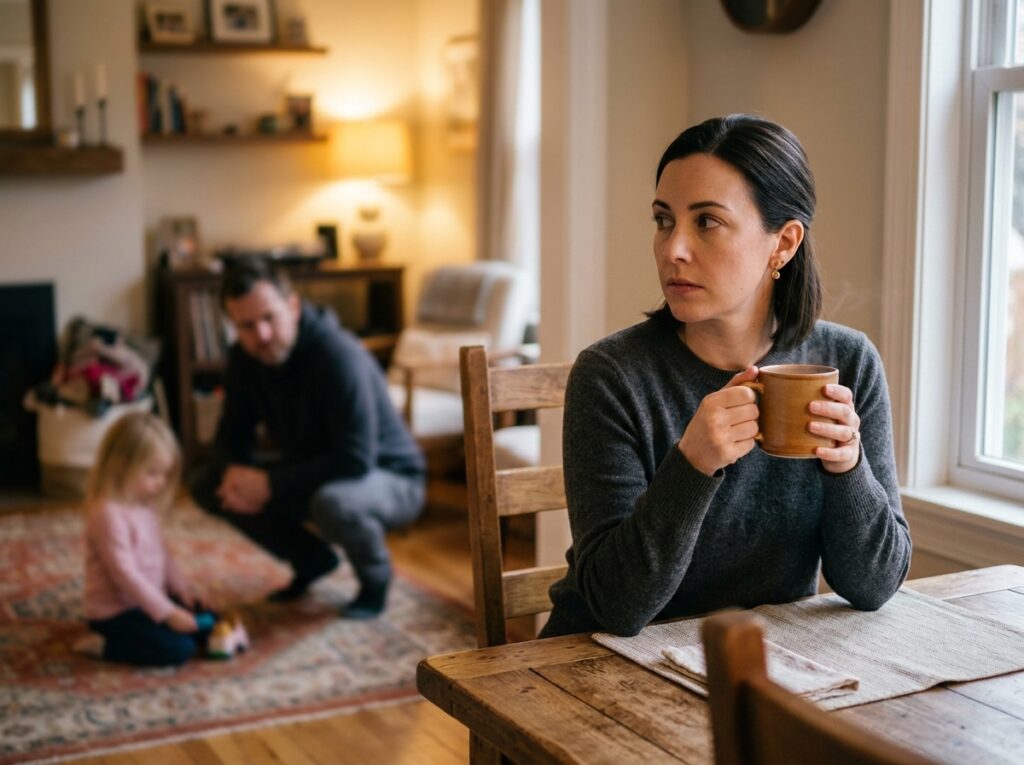
This is a subtler but deeply concerning parenting pattern called emotional parentification — where the adult unconsciously reverses the parent-child emotional dynamic, making the child responsible for the parent’s feelings.
This can look like a parent sulking when a child prefers the other parent, guilt-tripping a young child for wanting to spend time with friends, or making statements like “You’re breaking my heart” or “I’m only happy when you’re with me” in ways that place emotional burden on the child.
Parentification is a recognized form of emotional neglect that creates lasting psychological harm. But from a relationship perspective, it also signals something deeply important: this person struggles to regulate their own emotional needs through adult means. They seek emotional regulation from whoever is most available and least likely to refuse — including, eventually, you.
📃 Related article: The 5 Love Languages Explained: Which One Are You?
Red Flag 5: They Dismiss or Minimize the Child’s Emotions
A child crying is not manipulation. A child throwing a tantrum is not being “dramatic.” A child expressing fear, sadness, or frustration is doing the only thing their developing brain knows how to do — communicate an internal experience through behavior because they don’t yet have the words.
When a parent consistently responds to a child’s emotional expression with dismissal — “Stop crying, there’s nothing to cry about,” “You’re being ridiculous,” “Toughen up” — it reveals a fundamental discomfort with emotion in general. Not just the child’s emotion. Emotion as a category.
People who are deeply uncomfortable with emotional expression do not suddenly become emotionally available in romantic relationships. The same dismissiveness that shuts down a child’s tears will eventually shut down yours. The same impatience with vulnerability that a child experiences will become familiar to you too, if you stay long enough.
Red Flag 6: They Are Completely Inconsistent — Permissive One Day, Harsh the Next
Inconsistency in parenting is more than just a parenting problem. It is a window into emotional dysregulation and an unpredictable internal state that will show up in your relationship in significant ways.
One day they are the most patient, playful, attentive parent imaginable. The next, they are irritable, disengaged, or disproportionately harsh over minor infractions. The child never knows which parent is walking through the door. And neither will you.
This kind of behavioral inconsistency is often connected to unresolved emotional issues — anxiety, depression, unprocessed trauma, or personality patterns that create an unpredictable relational environment. Children raised in this environment develop hypervigilance — always reading the room, always preparing for a shift in emotional weather. In a romantic relationship with this person, you will eventually develop the same exhausting vigilance.
Red Flag 7: They Talk About Their Child as a Burden
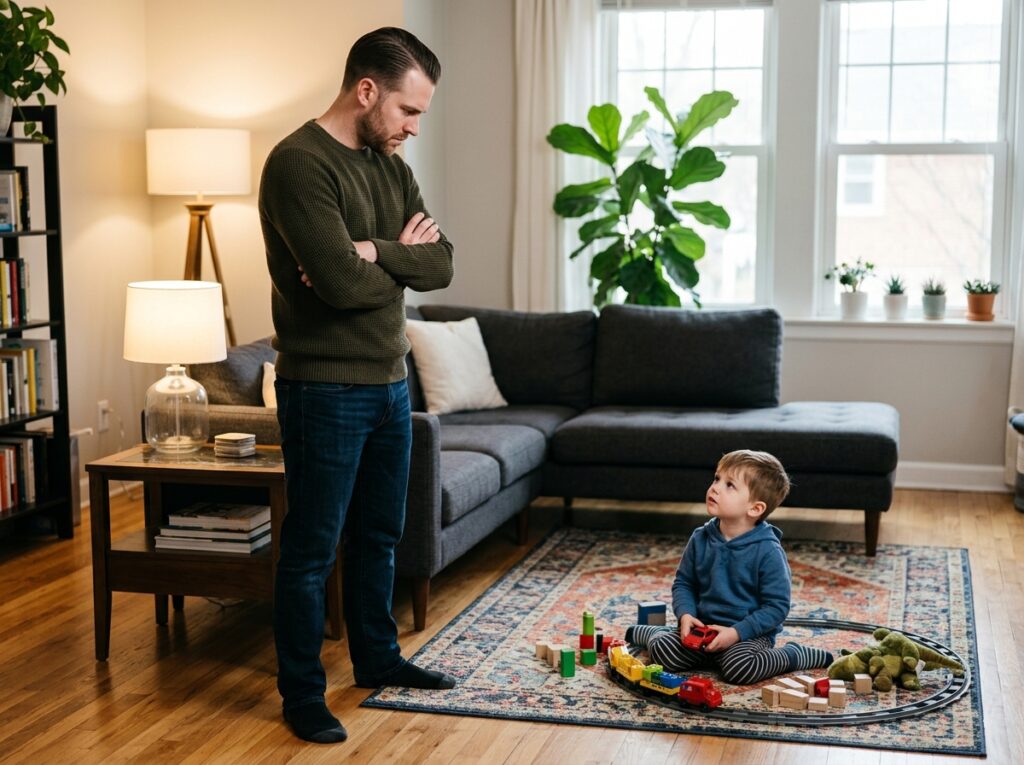
There is a meaningful difference between a parent honestly expressing the challenges of parenthood — which is valid, real, and deserves space — and a parent who speaks about their child as though the child’s existence is fundamentally inconvenient to their life.
When someone consistently frames their child as the reason they “can’t” live the life they want, complains about having to parent rather than choosing to, or makes you feel that their child is a problem to be managed rather than a person to be loved — that is a red flag worth taking seriously.
Parenting is hard. Parenting is exhausting. But resentment toward a child for simply existing is a sign of unresolved emotional issues that run deep. That resentment rarely stays contained. It finds new targets. And in a serious relationship, you and any future family you create together will eventually enter that resentment’s orbit.
Red Flag 8: They Expect You to Take On a Parenting Role Too Quickly
This red flag is specifically relevant when you are the person dating someone with children. A healthy parent who is dating with emotional intelligence understands that introducing a new partner to their children — and especially integrating that partner into a parental role — is a process that requires significant time, care, and the child’s readiness.
When a parent rushes this process — introducing you to the children within weeks, expecting you to discipline, bathe, or care for children before any real bond has formed, or positioning you as a co-parent before the relationship has been defined — it signals poor boundaries, poor judgment, or a desire to fill a role rather than build a genuine relationship.
Children are not audition props. And a parent who treats them as such — using them to test partners, fill emotional gaps, or accelerate intimacy — is demonstrating a pattern of using people, including the most vulnerable people in their life, for their own emotional needs.
Red Flag 9: They Never Take Responsibility for Their Parenting Mistakes
Every parent makes mistakes. The defining question of character is not whether mistakes happen — it is what a person does afterward. Do they acknowledge it? Do they repair with the child? Do they show remorse and make genuine effort to do better?
A significant parenting red flag is the parent who never admits fault. Who blames the child for the parent’s own reaction. Who says “I wouldn’t have yelled if you hadn’t pushed me to it” to a six-year-old. Who consistently rewrites their parenting failures as someone else’s responsibility.
This inability to take accountability is not limited to parenting. It is a core character pattern. In a romantic relationship, this same dynamic will appear every time there is conflict, every time harm is caused, every time an apology is needed. The person who cannot say “I was wrong and I’m sorry” to their child will not say it to you either.
📃 Related article: Gaslighting in Relationships: How to Recognize, Name, and Leave It
“The red flags you overlook before you commit become the walls you’re trapped behind afterward. See clearly now, while you still have the freedom to choose.”
What to Do When You Notice These Signs
Noticing parenting red flags does not automatically mean the relationship is over. But it does mean the relationship needs honest evaluation before it goes any further.
Start by distinguishing between patterns and isolated moments. One bad day does not define a person. But a consistent pattern of emotional unavailability, impatience, dismissiveness, or lack of accountability — repeated across multiple situations and contexts — is meaningful data that deserves your full attention.
Have honest conversations. If you feel safe doing so, gently name what you’ve observed. A person who is self-aware and genuinely committed to growth will be able to hear that conversation, even if it’s uncomfortable. A person who becomes defensive, dismissive, or angry at the observation is giving you more data — about how they respond to honest feedback in general.
Trust your gut. The discomfort you feel when you witness a parenting red flag is not you being “too sensitive” or “too judgmental.” It is your emotional intelligence doing exactly what it is designed to do — reading character through behavior and sending you a signal. Honor that signal.

FAQ: Parenting Red Flags in Relationships
Q1: Is it fair to judge someone’s relationship potential based on how they parent?
Absolutely. Parenting behavior is one of the most unfiltered expressions of a person’s emotional character. The qualities required for healthy parenting — empathy, patience, accountability, emotional regulation — are the exact same qualities required for a healthy long-term relationship. Observing parenting behavior is not judgment. It is wisdom.
Q2: What if they are a good parent but difficult in the relationship?
This is possible but less common than people assume. More often, patterns that appear in one close relationship eventually surface in others. If someone is warm and patient with their child but cold and dismissive with you, pay attention to whether that contrast is consistent — and consider whether it reflects how they treat people they feel “secure” with versus people they feel they still need to impress.
Q3: Should I bring up parenting red flags I’ve noticed to the person I’m dating?
If the relationship is becoming serious and you feel emotionally safe, yes. Frame it as something you noticed and want to understand better, rather than an accusation. Their response to that conversation will tell you as much as the original behavior did.
Q4: Can people with parenting red flags change?
Yes — with genuine self-awareness, motivation, and usually professional support such as therapy or parenting coaching. Change is possible. But it requires the person to first acknowledge the problem, which many people with these patterns resist. You cannot want their growth more than they do.
Q5: What if I’m already serious with someone and I’m just now noticing these red flags?
It is never too late to see clearly. Noticing red flags later in a relationship does not mean you made a mistake — it means you are paying attention now. From here, you can have honest conversations, seek couples counseling, and make informed decisions about your future based on what you observe going forward.
Final Thoughts
Parenting red flags are among the most important relationship warning signs you will ever encounter — precisely because they are so easy to rationalize away. We tell ourselves that everyone has bad days, that parenting is hard, that it is not our place to judge. And while all of those things contain truth, they can also become excuses for ignoring information that genuinely matters.
The person you choose to build a life with will bring their entire self into that life — including who they are as a parent, a co-parent, and eventually, potentially, a co-parent with you. Seeing that person clearly and honestly before you are deeply committed is not cynicism. It is one of the most loving things you can do for your own future.
Watch carefully. Trust what you see. And choose someone whose character — especially in the moments when no one is watching and nothing is to be gained — reflects the kind of love you actually deserve.
💾 Save this article — it could protect your future.
📲 Share it with someone who’s getting serious and needs to read this first.
➕ Follow Truthsinside.com for bold, honest relationship and psychology content.
📃 Related article: 15 Subtle Red Flags in a New Relationship Most People Miss
🎵 Music
Maren Lull is a singer-songwriter who writes from the places most people don’t talk about out loud.
Not the dramatic grief. Not the obvious heartbreak. The quiet kind — the ordinary Tuesday emptiness, the habit of reaching for someone who isn’t there anymore, the particular exhaustion of being strong for so long that the strength itself wears thin.
Her music lives at the intersection of emotional honesty and soft beauty — breathy vocals over gentle piano, slow tempos, lyrics that feel less like songs and more like something you wrote in a private notebook at two in the morning and never showed anyone.
Maren Lull writes for the people who feel everything deeply and say very little about it. For the ones who listen to sad music not because they want to feel worse — but because being understood, even by a song, makes the feeling easier to carry.
📱 Follow Maren Lull:
→ Spotify
→ Apple Music
→ Youtube
→ Audiomack