
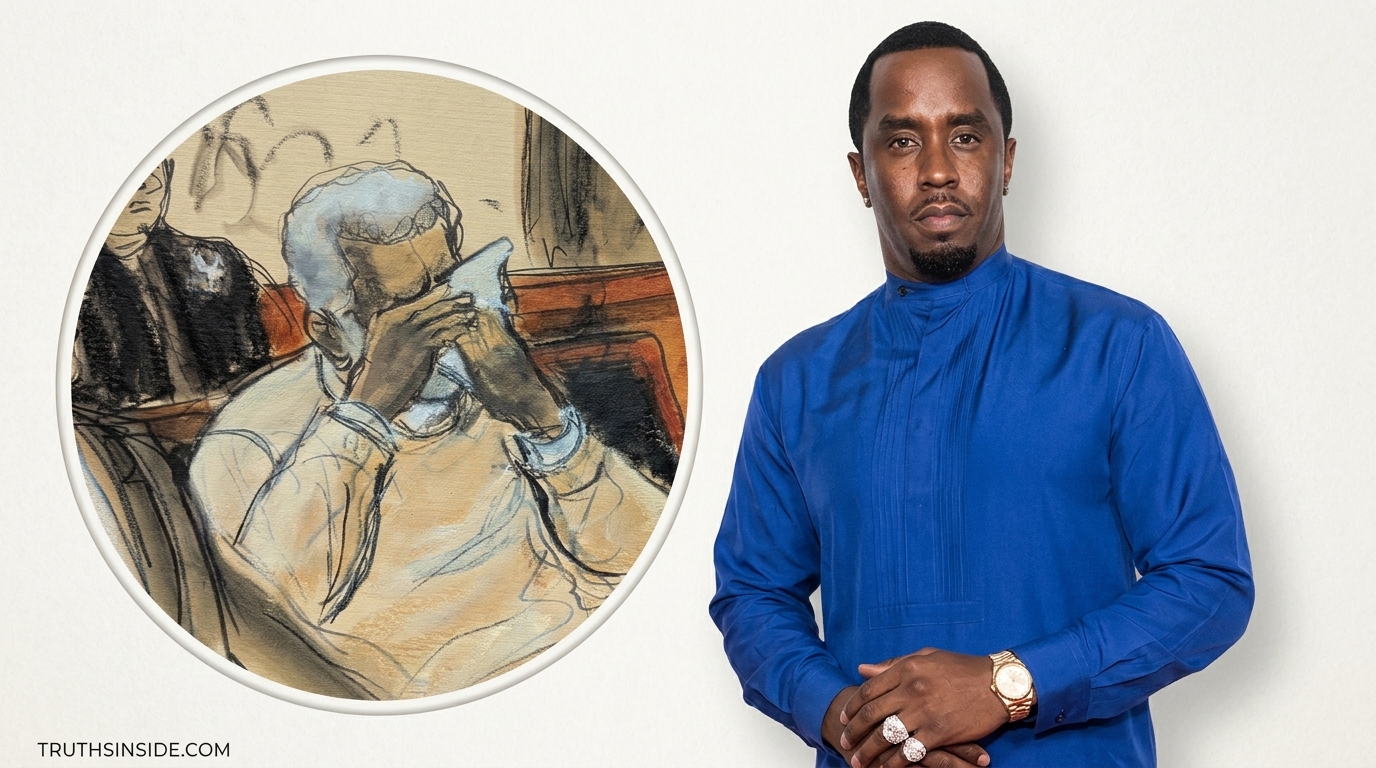
The Verdict, the Prison Incidents, the Release Date Updates, and Everything That Happened Inside the Federal Case
The Sean Diddy Combs conviction sentence is now a matter of federal record — and the full story behind it is far more layered than any single headline has captured. When a federal jury returned its verdict in one of the most closely watched criminal trials in entertainment history, it marked the culmination of years of allegations, investigations, and legal proceedings that had already fundamentally altered the public perception of one of music’s most powerful figures. Studies on high-profile federal prosecutions consistently show that cases involving multiple charge categories — racketeering, sex trafficking, and prostitution-related offenses — tend to generate complex, partial verdicts that reflect jury deliberation rather than simple acceptance or rejection of a prosecution’s entire theory.
That is precisely what happened here. The outcome was neither a full vindication nor a complete conviction. It was something more complicated — and more significant — than either.
The Verdict: What the Jury Decided and What It Did Not
The federal jury in the Sean Diddy Combs case was composed of twelve members who faced a charge sheet that spanned multiple offense categories. Their deliberations produced a verdict that was, in legal terms, mixed — but in practical terms, devastating for the defense.
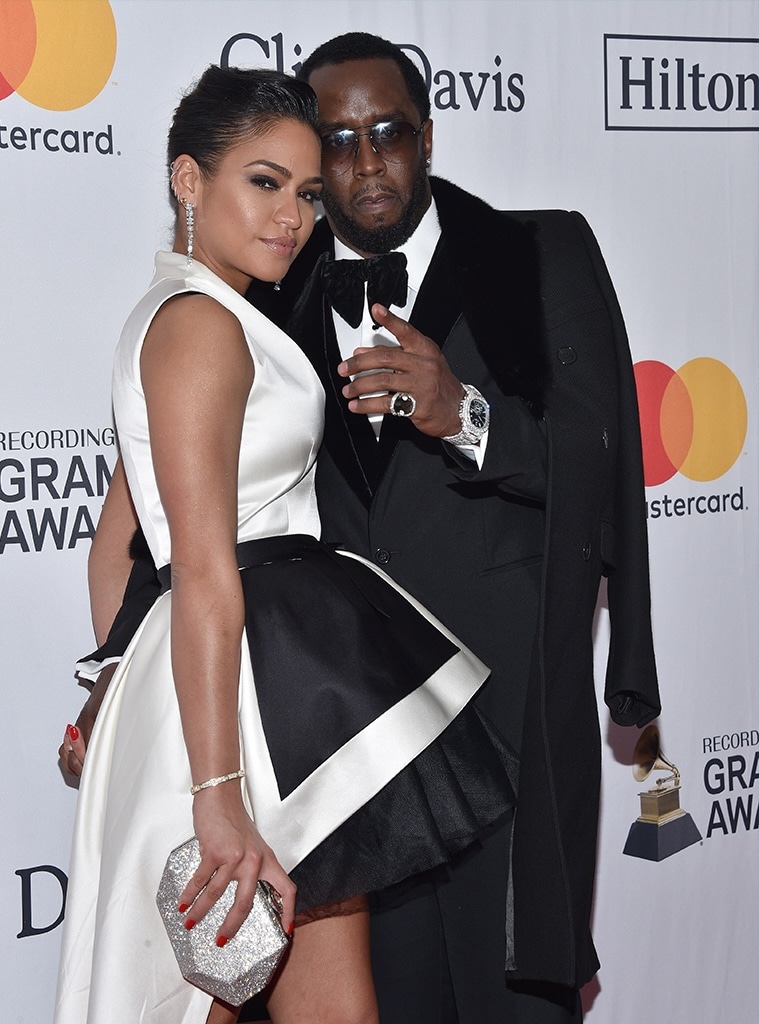
The jury found Combs guilty on two counts of transportation to engage in prostitution. These counts were connected to two women identified in proceedings as Cassie Ventura and a second individual referred to as “Jane.” These were not peripheral charges. They were central to the prosecution’s narrative about how Combs allegedly organized and facilitated sexual encounters over an extended period.
On the remaining charges, the jury returned not guilty verdicts. Combs was acquitted on one count of racketeering conspiracy and on two counts of sex trafficking. Those acquittals were significant — they represented the jury’s rejection of the prosecution’s broadest theories about the scope and organizational nature of the alleged conduct.
What the verdict ultimately produced was a man found guilty of serious federal crimes while escaping the most severe charges on the indictment. For the prosecution, it was a partial win that still carried significant sentencing consequences. For the defense, the acquittals offered limited comfort against the weight of the convictions that did land.

The Sentencing: 50 Months, Five Years Supervised Release, and a $500,000 Fine
Sentencing took place on October 3, 2025, and the judge’s decisions carried both symbolic and concrete weight. The formal sentence imposed was 50 months in federal prison, accompanied by five years of supervised release following incarceration, and a financial penalty of $500,000.
The 50-month term — just over four years — reflected the judge’s assessment of the convictions within the federal sentencing guidelines framework. The supervised release component means that Combs’ obligations to the federal justice system will extend well beyond his prison release date. For a period of five years after leaving custody, he will be subject to conditions and oversight that will restrict certain freedoms and require ongoing compliance with federal supervision.
The fine, while substantial in absolute terms, is modest relative to the financial resources Combs accumulated during his career in music and business. Its significance is more symbolic than punitive from a financial perspective — it is a formal acknowledgment of wrongdoing attached to a dollar figure that the court determined was proportionate to the offenses.
The defense, both at sentencing and afterward, maintained its legal challenges to the application of the law to the conduct at issue. The appellate arguments being pursued reflect a strategic decision to continue fighting the convictions through the legal system rather than accepting the verdict as final.
📃 Related article: Jamie Foxx Late Fatherhood: Inspiring New Chapter Revealed
What Happened Inside the Courtroom: Evidence, Testimony, and Trial Details
The trial record that produced the Sean Diddy Combs conviction sentence was built from multiple categories of evidence — video, text messages, witness testimony, and physical evidence — each of which contributed to the prosecution’s portrait of alleged organized misconduct.
Prosecutors presented explicit video evidence to the jury. Agent testimony indicated there were approximately 50 videos connected to what the prosecution characterized as “Freak Offs” — organized sexual encounters alleged to have been filmed between 2021 and 2022. The jury was shown selected files from this collection, and their existence formed a central part of the prosecution’s case.
Witness testimony added texture and specificity to the evidentiary record. Accounts described hotel encounters organized with particular supplies — including baby oil and Plan-B pills. Voicemail and text message evidence documented specific supply requests that prosecutors argued supported their characterization of the events as organized and deliberate rather than spontaneous or consensual in the manner the defense claimed.
Both Cassie Ventura and “Jane” testified and provided text message documentation. Their accounts included allegations of physical abuse — descriptions of being dragged and punched, of being left with visible welts. These were not peripheral details. They were the human core of the prosecution’s case, and their impact on the jury’s deliberations is reflected in the guilty verdicts that emerged.

Former assistant Brendan Paul testified that he had purchased controlled substances for Combs, providing a specific list that included marijuana, 2C, cocaine, ketamine, and ecstasy. Paul denied being a drug mule, framing his role as responsive rather than operational. His testimony nonetheless placed illegal substance acquisition within the documented orbit of Combs’ activities.
Physical evidence referenced in court documents and the unsealed indictment included the results of law enforcement raids that reportedly seized over 1,000 bottles of baby oil alongside other items. That figure — striking in its specificity — became one of the most widely circulated details from the case’s pretrial period and contributed significantly to public perception of the proceedings before the trial even began.
“The jury found Combs guilty on two transportation counts while acquitting him on racketeering and sex trafficking — a partial verdict that was neither vindication nor complete condemnation, but carried a prison sentence regardless.”
The Defense Strategy: First Amendment Arguments and a Decision Not to Testify
The defense’s legal approach during trial and in subsequent appellate filings reflects a coherent if unconventional theory of the case. The core appellate argument is that the activities characterized by prosecutors as “Freak Offs” constituted amateur pornography and therefore fall within the scope of First Amendment protection for filmed sexual performances. On this reading, the Mann Act — the federal statute underlying the transportation-to-engage-in-prostitution counts — should be limited to scenarios involving paid commercial prostitution rather than filmed consensual sexual content between adults.
This argument has not yet been resolved by an appellate court, and its outcome will determine whether the convictions survive legal challenge. It is a novel application of constitutional theory to the specific facts of the case, and its reception by appellate judges remains to be seen.
One of the most closely watched procedural decisions at trial was Combs’ choice not to testify in his own defense. His counsel confirmed publicly that the decision was Combs’ alone to make, and the court appropriately instructed the jury that no adverse inference should be drawn from the exercise of that constitutional right. In practice, however, the decision left the jury without a direct account from the defendant of his perspective on the events at issue.
The defense also chose not to call witnesses during the closing phase of the trial, relying instead on the evidence that had already been entered into the record. That strategic decision concentrated the defense’s final argument on cross-examination and evidentiary challenges rather than affirmative counter-narrative.
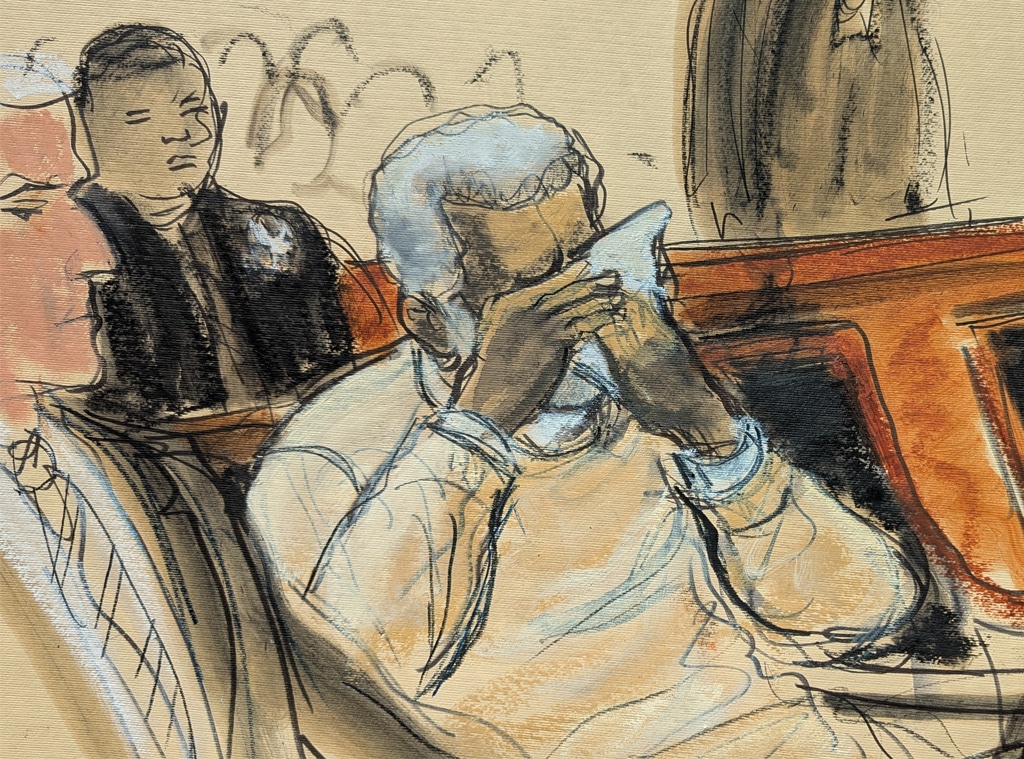
Prison Transfer, Altercation, and Solitary Confinement
The period following sentencing brought developments that extended the Sean Diddy Combs story beyond the courtroom and into the federal prison system itself.
Combs was transferred from the Metropolitan Detention Center in New York to the Fort Dix Federal Correctional Institution in New Jersey in late October. The transfer moved him from a pretrial and short-term custody facility to a federal correctional institution better suited to serving a multi-year sentence. Fort Dix is a medium-security facility, and the transfer represented the administrative normalization of his incarceration following sentencing.
The transfer was followed by a more dramatic development. Reports emerged that Combs had been placed in solitary confinement following an altercation with another inmate. The fight was reported to have begun after a remark from the other inmate — the specifics of which were not disclosed by prison officials. A prison spokesperson declined to provide internal details, citing the standard institutional policy of not disclosing information about specific inmate incidents.
The solitary placement occurred in proximity to the most recent revision of his projected release date. Whether the altercation and any resulting disciplinary findings affected the release date calculation has not been confirmed. The Federal Bureau of Prisons computes release dates based on sentence length, good-time credits, and other administrative factors, and any disciplinary action can affect those calculations.
📃 Related article: Hilaria Baldwin Alpha Parent: Bold Family Secrets Revealed
“Victim advocates and counsel for Cassie Ventura publicly characterized the case as a meaningful moment for survivors — a legal reckoning that sent a message extending well beyond the individual defendant.”
The Release Date: Five Revisions and Counting
One of the more unusual administrative footnotes to the Combs case has been the repeated revision of his projected release date. The most recent update placed his projected release at January 24, 2028 — the fifth revision to that figure since his incarceration began.
Federal release dates are not static. They are calculated and recalculated based on earned good-time credits, program participation, disciplinary actions, and other administrative factors. Multiple revisions to a release date over the course of incarceration are not legally unusual, though five revisions in the timeframe involved drew notice from reporters and legal observers monitoring the case.
The January 24, 2028 date reflects the current state of those calculations. It is subject to further revision — upward or downward — depending on how the remainder of his incarceration proceeds and whether his appellate efforts produce any legal relief.
If the conviction is upheld on appeal and no additional disciplinary complications arise, the January 2028 date represents the current best estimate for when Combs would transition from federal custody to the five-year supervised release period the judge imposed at sentencing.

Financial Activity During Incarceration: The Miami Home Sale
One of the more striking developments connected to the Combs case during his period of incarceration was a major real estate transaction. While serving his sentence, Combs’ Miami Star Island home sold for $55,000,000. The sale was reported in early July, with the precise timing and mechanics of the transaction described in reporting without full specification of the year context.
Star Island is one of Miami’s most exclusive residential addresses, and a $55 million sale represents a transaction at the very top of the luxury real estate market. The proceeds from such a sale, depending on outstanding obligations, legal costs, and financial management decisions, represent significant resources regardless of the seller’s current circumstances.
The sale during incarceration underscores a reality about high-net-worth defendants in federal criminal cases: the legal consequences of conviction, severe as they are, exist alongside the ongoing management of substantial financial assets that continue to operate independently of the defendant’s physical freedom.
📃 Related article: Zendaya Tom Holland Private Wedding: Truth Confirmed
The Broader Impact: Survivors, the Industry, and What the Case Means
The Sean Diddy Combs conviction sentence has reverberated beyond the immediate facts of the case and into broader conversations about power, accountability, and the entertainment industry’s relationship with both.
Victim advocates who followed the proceedings closely characterized the trial and its outcome as meaningful for survivors of similar abuses — not just the individuals who testified in this case, but the broader population of people who have experienced coercion and abuse in contexts where institutional power creates barriers to accountability. Counsel for Cassie Ventura made public statements reflecting that perspective, framing the legal outcome as a moment of significance for the industry and for the individuals whose courage in coming forward made the case possible.
The trial also generated ongoing conversation about how the music and entertainment industry enables — or fails to check — the kinds of behavior alleged in the Combs case. Questions about who knew what, when they knew it, and what institutional structures allowed alleged conduct to continue over an extended period have not been resolved by the verdict and will likely continue to be examined in public discourse and in the additional civil litigation connected to the case.
What Comes Next: Appeals, Supervised Release, and Unresolved Questions
The Sean Diddy Combs legal story is not concluded. The appellate process is ongoing, and the outcome of the First Amendment arguments being pursued by the defense will have significant implications for whether the convictions survive judicial review.
If the appellate court accepts the defense’s framing of the Mann Act issue, the convictions could be challenged on legal grounds that go beyond the specific facts of this case and into statutory interpretation territory. If the appellate court rejects that argument, the convictions stand and the path toward the January 2028 release date continues.
The five years of supervised release following imprisonment represent an additional chapter of federal oversight that will extend the legal consequences of this case into the early 2030s. The conditions of that supervision, and Combs’ compliance with them, will be monitored by federal authorities for the full term.
Civil litigation connected to the underlying allegations represents yet another ongoing legal dimension that operates parallel to but separately from the criminal case. The outcomes in civil proceedings follow different evidentiary standards and timelines than criminal verdicts, and those proceedings continue to move through the courts on their own trajectories.
For now, the most current facts are these: a 50-month federal sentence, a January 24, 2028 projected release date, a prison transfer to Fort Dix, a solitary confinement placement following an altercation, and ongoing appellate litigation challenging the convictions. The full story of the Sean Diddy Combs federal case is still being written.
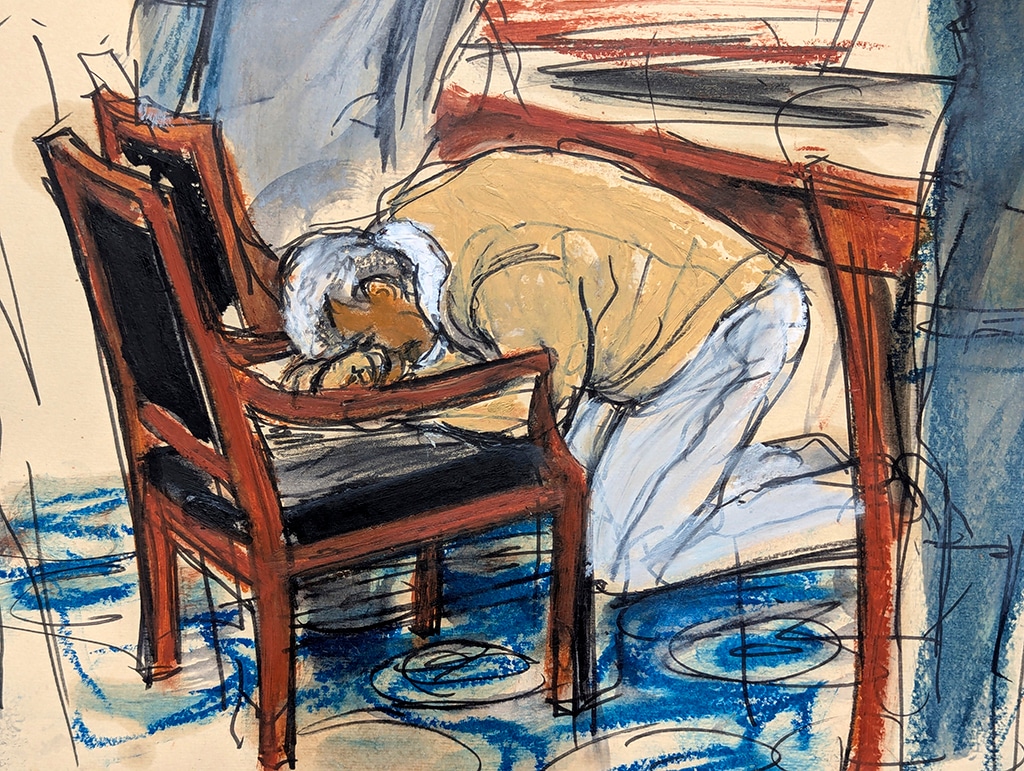
FAQ: Sean Diddy Combs Conviction and Sentence
Q1: What was Sean Diddy Combs convicted of?
A federal jury found Sean Combs guilty on two counts of transportation to engage in prostitution, connected to women identified as Cassie Ventura and “Jane.” He was acquitted on one racketeering conspiracy count and two sex trafficking counts.
Q2: How long is Sean Combs’ prison sentence?
The judge sentenced Combs to 50 months — just over four years — in federal prison on October 3, 2025. The sentence also includes five years of supervised release following imprisonment and a $500,000 fine.
Q3: When is Sean Combs expected to be released from prison?
The most recently updated projected release date, as reflected in Federal Bureau of Prisons records, is January 24, 2028. This is the fifth revision to his projected release date since his incarceration began. The date remains subject to further revision based on administrative factors.
Q4: What happened to Sean Combs in prison?
Combs was transferred from the Metropolitan Detention Center in New York to Fort Dix Federal Correctional Institution in New Jersey in late October following his sentencing. He was subsequently placed in solitary confinement following a reported altercation with another inmate. Prison officials declined to disclose specific details about the incident.
Q5: Is Sean Combs appealing his conviction?
Yes. The defense is pursuing appellate arguments challenging the application of the Mann Act to the alleged conduct. The core argument is that the activities characterized as “Freak Offs” constituted amateur pornography protected by the First Amendment, and that the Mann Act should be limited to paid commercial prostitution scenarios. The appellate proceedings are ongoing.
Save This. Share This. Follow Truthsinside.com.
This is one of the most consequential celebrity legal cases in recent memory — and it is still developing. Save this article so you have the complete, factual record as the story continues to evolve. Share it with anyone who wants the full picture beyond the headlines. And follow Truthsinside.com for coverage that stays accurate, stays current, and treats every story with the depth it deserves.
🎵 Music
Maren Lull is a singer-songwriter who writes from the places most people don’t talk about out loud.
Not the dramatic grief. Not the obvious heartbreak. The quiet kind — the ordinary Tuesday emptiness, the habit of reaching for someone who isn’t there anymore, the particular exhaustion of being strong for so long that the strength itself wears thin.
Her music lives at the intersection of emotional honesty and soft beauty — breathy vocals over gentle piano, slow tempos, lyrics that feel less like songs and more like something you wrote in a private notebook at two in the morning and never showed anyone.
Maren Lull writes for the people who feel everything deeply and say very little about it. For the ones who listen to sad music not because they want to feel worse — but because being understood, even by a song, makes the feeling easier to carry.
📱 Follow Maren Lull:
→ Spotify
→ Apple Music
→ Youtube
→ Audiomack