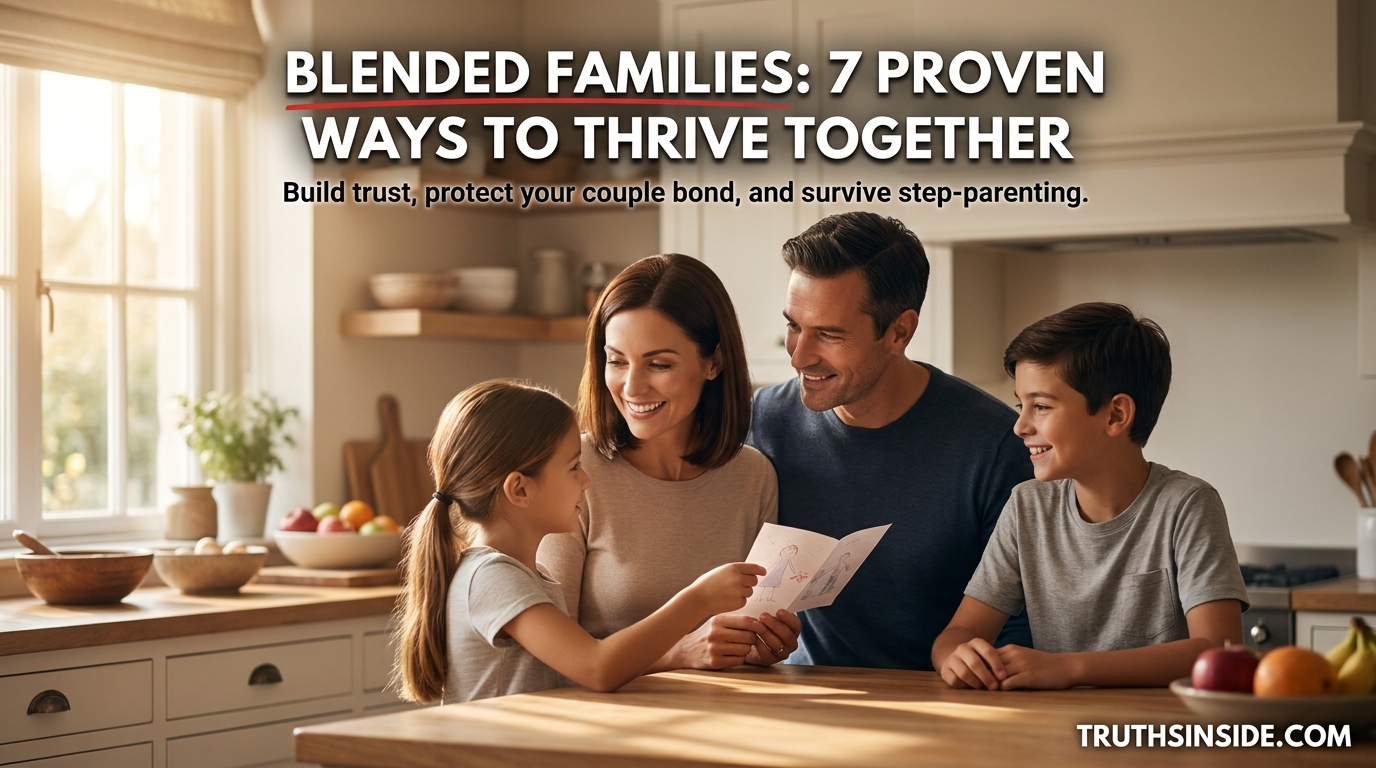
Blended Families: How to Build a Relationship That Survives Step-Parenting
Blended families begin with hope, but they often meet reality within the first week. Someone cries at dinner, a child says “You’re not my mom,” and the person you love looks torn between you and their kids. You wonder whether you made a mistake, or whether you are simply not cut out for step-parenting. Take a breath. Feeling overwhelmed does not mean your family is failing. It means you are in the hardest and most normal part of the process.
You are far from alone. According to Pew Research Center, roughly four in ten American adults have at least one step-relative, whether a step-parent, step-sibling, or half-sibling. Research on stepfamilies by experts such as Patricia Papernow also shows that these families rarely bond quickly. Many need several years to feel like a cohesive unit, and that is completely typical, not a sign that something has gone wrong.
This guide shows how to build a relationship that survives step-parenting. You will learn why blended families are uniquely challenging, seven proven ways to strengthen your couple bond and your family, role-specific advice for stepparents, tips by age group, and the mistakes that cause the most damage. You will also learn when professional help can make a real difference.
Why Blended Families Are Harder Than Anyone Admits
Blended families are not first-time families with extra people. They are built on top of loss, whether divorce, separation, or the death of a parent. Children arrive with grief, loyalty to another parent, and little say in the decision. Adults arrive with hope, history, and sometimes guilt. Everyone is adjusting at once, but not at the same speed.
Papernow describes an “insider and outsider” dynamic that shapes many step-parenting struggles. The biological parent is an insider with years of shared history, routines, and inside jokes. The stepparent is often an outsider who sees the family from the edge. Both positions are painful, and both can be eased when you name them and plan around them together.
Another hurdle is the fantasy of instant love. Movies and magazines promise a happy, blended household within months. Real life asks for patience. Affection often grows slowly, through repeated small moments of safety and respect. When you drop the timeline and focus on trust, the pressure drops for everyone.
Keeping Your Marriage Strong in Blended Families
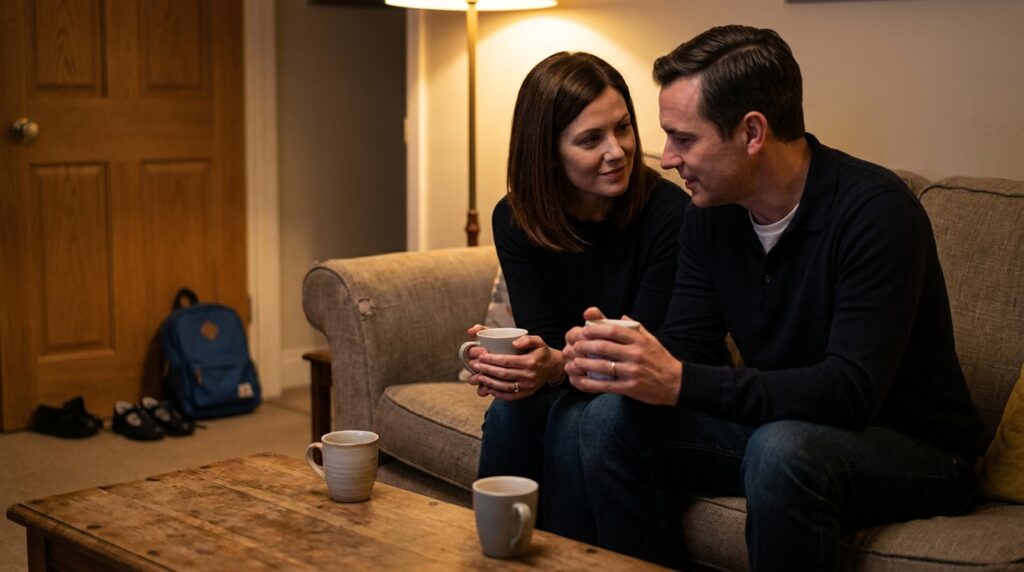
Time is the scarcest resource in blended families. Between school runs, custody schedules, and several personalities under one roof, couples often fall to the bottom of the list. Yet the couple relationship is the engine that powers the whole household, so it deserves protection on purpose, not by accident.
Build tiny rituals into ordinary days: a five-minute check-in after the kids are in bed, a shared coffee before everyone wakes, or a walk on the weekend. Ask each other, “What is one thing I can do this week to make things easier for you?” Small, regular attention beats rare, perfect date nights.
Be honest about stress, too. Many couples in blended families feel guilt, resentment, or loneliness at different moments. Talking about those feelings before they harden keeps them from turning into blame. You are not competing with the children. You are building the stable center they will lean on for years.
Common Challenges in Blended Families
Almost every blended family runs into some version of these challenges. Knowing them in advance makes them less frightening.
Discipline and rules. Children often resist correction from a stepparent, and different households may have different standards. Without a plan, this becomes constant friction between partners.
Loyalty conflicts. Kids may feel that liking a stepparent betrays their other parent. Their distance is usually fear, not rejection.
Co-parent tension. Ex-partners may disagree about schedules, money, or parenting style, and those disagreements can spill into your home.
Time and attention. Biological parents are pulled between a partner and children. Everyone may feel like they come second.
Different traditions. Holidays, bedtimes, food, and even humor differ between homes. What feels normal in one house feels strange in another.
Unprocessed grief. Kids and adults are mourning the old family, even while building the new one.
📃 Related article: Mindfulness in Relationships: 7 Amazing Proven Ways
7 Proven Ways to Build a Relationship That Survives Step-Parenting
These seven strategies work best together. You do not need to master them all at once, but each one makes the others easier.
1. Protect Your Couple Bond First
In blended families, the couple relationship is the foundation. Children move between homes, but your partnership is the one steady structure. Keep a regular date night, even a simple one. Check in weekly, away from the kids, about what is working and what is not. When you feel like a team, children feel safer, and problems feel smaller.
Protecting the bond does not mean putting children last. It means making sure the adult relationship stays strong enough to carry the family. Say “I am on your side” often, especially after tense moments. If you disagree about a child, discuss it privately and present a united plan later.
2. Align on Rules and Roles Before Conflict
Sit down together and decide who handles what. Research on stepfamilies, including work by Ganong and Coleman, suggests that stepparents tend to do best when they begin with warmth and connection and let the biological parent take the lead on discipline at first. Agree on a short list of house rules, explain them to the children together, and let the biological parent enforce them.
Over time, as trust grows, the stepparent can take a larger role. Think of it as moving from a supportive adult toward a respected authority, one step at a time. Rushing this process usually triggers resistance, especially with teenagers.
3. Build Slowly With Your Stepchildren
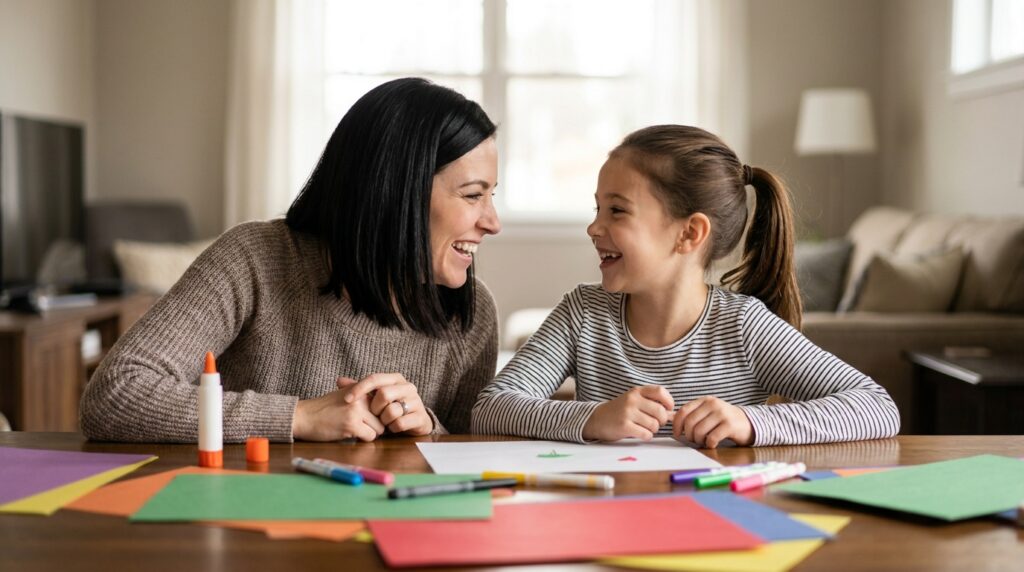
Aim to become a trusted adult, not a replacement parent. Show interest in what the child likes, and offer small, low-pressure moments: a game, a snack, a ride to practice. Let the child set the pace of closeness. A shrug or silence is not rejection. It is often a child testing whether the relationship is safe.
One-on-one time helps a great deal, even ten or fifteen minutes. Remember details, keep promises, and be consistent. Warmth that arrives without demands is powerful. Many stepparents find that the breakthrough comes quietly, long after they stopped waiting for it.
4. Respect the Other Home
Children love both of their parents, and they can feel it when someone criticizes them. Avoid bad-mouthing the other household, even when you are frustrated. Keep conflicts between adults. Children who are caught in the middle suffer, and blended families often tense up when kids are used as messengers.
Treat co-parent communication like a business partnership: brief, respectful, and focused on the children. Use shared calendars and written messages for logistics. If a co-parent is hostile, stay calm, set limits, and let the biological parent take the lead. Your steadiness will protect the kids from the worst of it.
5. Create New Traditions Together
Blended families need their own identity. Start small rituals that belong only to your household, such as Friday pizza nights, a family game on Sundays, or a silly handshake at drop-off. These rituals create belonging without erasing the past.
Let children help shape them. Invite ideas, and respect existing traditions from before the merger. A holiday can include one old tradition and one new one. Kids who feel included are far more willing to meet you halfway.
6. Make Space for Grief and Loyalty
Children may miss the old family, even if the old family was painful. They may feel guilty for enjoying time with you. Tell them that they can love everyone and that you are not trying to replace anyone. Let sadness exist without rushing to fix it.
Adults carry grief as well. A parent may feel guilty about the divorce. A stepparent may grieve the family they imagined. Naming these feelings openly reduces the chance that they will leak out as anger or distance.
7. Hold Regular Family Meetings and Honest Conversations
A short weekly family meeting gives everyone a voice. Keep it brief and positive. Begin with appreciation, then handle schedules, house rules, and any worries. Let children suggest solutions and, where possible, choose consequences together. Consistency and fairness build trust over time.
Outside the meeting, keep your door open. Use “I” statements, listen without interrupting, and apologize when you get it wrong. Modeling honest repair teaches children that conflict does not destroy relationships.
A blended family is not built in a day. It is built in thousands of small, patient moments.
The Role of the Stepparent: What Works and What Does Not
Stepparenting is one of the least clearly defined roles in family life. You are not the parent, yet you live in the home, share responsibility, and often carry the daily load. The most successful stepparents tend to act like a caring, consistent adult who is warm, respectful, and reliable, rather than someone demanding to be called Mom or Dad.
What works: asking before changing routines, supporting the biological parent’s authority, noticing the child’s interests, and giving the relationship time. What does not work: competing with the other parent, enforcing strict rules too early, taking rejection personally, or expecting gratitude. Your patience is an investment, and it often pays off later than you hope.
If you are the biological parent, your job is to be a bridge. Reassure your children that they are still a priority, reassure your partner that they matter, and speak up when someone is disrespected. Your partner should never have to fight for basic respect alone.
Co-Parenting With an Ex Without Drama
Successful co-parenting is one of the biggest contributors to stability in blended families. You cannot control your ex, but you can control your own tone and boundaries. Keep communication short and child-focused, and use written messages when conversations get heated. A few guidelines help:
- Stick to logistics, schedules, and the children’s needs.
- Never use children as messengers or spies.
- Keep adult conflict away from the kids.
- Share important information promptly.
- Respect differences between homes, as long as children are safe.
If a co-parent is consistently hostile or unsafe, document your concerns, seek legal or professional guidance, and prioritize the children’s safety.
How Long Do Blended Families Take to Bond?
Papernow’s work describes a stepfamily cycle of stages, from early fantasy and confusion through awareness, action, and eventually a stable sense of belonging. Many families report that it takes several years, commonly four to seven or more, before things feel truly settled. Progress rarely moves in a straight line, and setbacks often appear after holidays, custody changes, or milestones.
Look for small signs of progress: a child asking for your help, a shared joke, or a calmer dinner. These moments matter more than any big breakthrough. Celebrate them, and remind yourselves that you are building something new, not recreating something old.
📃 Related article: Limits With In-Laws: 7 Proven Steps for Peace
Tips for Blended Families by Age Group
Children respond to new family structures very differently depending on their age. Adjust your approach as they grow.
Young children (under 8). Younger children often adapt faster and may welcome a warm stepparent. Offer routine, affection, and play. Keep your role clear but gentle.
School-age children (8 to 12). Loyalty conflicts can be strong at this age. Give them space and avoid pushing affection. Practice patience and fairness.
Teenagers. Teens often resist new authority and want independence. Respect their privacy, avoid taking criticism personally, and let the biological parent lead discipline. Treat them as capable people.
Adult stepchildren. These relationships are voluntary. Respect their lives, keep expectations flexible, and focus on mutual respect and small gestures of kindness.
Mistakes That Can Break Blended Families
Expecting instant love. Forcing closeness often creates resistance. Let trust and affection arrive on their own schedule.
Competing with the other parent. Children feel the pressure, and it deepens loyalty conflicts.
Letting the couple relationship slide. Children thrive when the adults are united. Neglecting your partnership weakens the whole family.
Playing favorites or being unfair. Different standards for biological and stepchildren breed resentment quickly.
Criticizing the other household. Children hear it as criticism of themselves and of someone they love.
Taking behavior personally. A child’s anger is often grief or fear, not a verdict on you.
Avoiding hard conversations. Silence lets small issues grow into big ones. Talk early and kindly.
Signs Your Blended Family Is Doing Better Than You Think
In blended families, it is easy to focus on what is hard. Look for quieter signs of health. Children feel safe enough to be sad or angry in front of you. The adults repair after arguments. Traditions are forming. A stepchild shares a small detail from their day. Your partner appreciates your effort. These moments show that trust is growing, even when progress feels slow.
When to Get Professional Help
Consider a family therapist, ideally one with stepfamily experience, if conflict is constant, a child shows ongoing distress, your couple bond is suffering, or you cannot agree on parenting approaches. Therapy is not a sign of failure. It gives blended families tools and a neutral space to work through hard issues.
If anyone in your home feels unsafe, whether from abuse, threats, or serious mental health concerns, seek help immediately from a trusted professional or local emergency services. Safety comes before every other goal.

Frequently Asked Questions About Blended Families
How long does it take for blended families to adjust?
Every family is different, but many take several years to feel settled, often four to seven years or more. Progress comes in small steps, and setbacks are normal. Patience, consistency, and open communication make the process smoother.
Should a stepparent discipline stepchildren?
Usually not at first. Experts generally suggest that the biological parent leads discipline while the stepparent builds trust and supports the agreed rules. As the relationship grows, the stepparent can take a larger role, with the couple’s agreement.
What if my stepchild refuses to accept me?
Stay calm and consistent. Rejection is often about loyalty, grief, or fear, not about you personally. Keep offering low-pressure kindness, respect their pace, and avoid forcing affection. If tension is severe or lasts a long time, consider family counseling.
How should blended families handle holidays?
Plan early, communicate with co-parents, and be flexible. Create one or two new traditions while honoring old ones. Focus on the children’s needs rather than perfect schedules, and remember that celebrating on a different day can still be meaningful.
Can blended families be as strong as first families?
Yes. Blended families face unique challenges, but many build deep bonds, resilience, and warmth. A strong couple relationship, respectful co-parenting, realistic expectations, and time are the key ingredients.
Final Thoughts
Building a relationship that survives step-parenting takes patience, humility, and teamwork. Blended families are not failed versions of other families. They are new families, created through love, courage, and sometimes loss. Protect your couple bond, move slowly with the children, respect every home they love, and celebrate small wins. The connection you are building may take time, but it can become one of the strongest of your life.
💾 Save this guide so you can return to it on the hard days.
📤 Share it with another parent or stepparent who needs encouragement.
➕ Follow Truthsinside.com for more honest relationship and psychology insights every week.
🎵 Music
Maren Lull is a singer-songwriter who writes from the places most people don’t talk about out loud.
Not the dramatic grief. Not the obvious heartbreak. The quiet kind — the ordinary Tuesday emptiness, the habit of reaching for someone who isn’t there anymore, the particular exhaustion of being strong for so long that the strength itself wears thin.
Her music lives at the intersection of emotional honesty and soft beauty — breathy vocals over gentle piano, slow tempos, lyrics that feel less like songs and more like something you wrote in a private notebook at two in the morning and never showed anyone.
Maren Lull writes for the people who feel everything deeply and say very little about it. For the ones who listen to sad music not because they want to feel worse — but because being understood, even by a song, makes the feeling easier to carry.
📱 Follow Maren Lull:
→ Spotify
→ Apple Music
→ Youtube
→ Audiomack