Signs You’re Emotionally Dependent on Your Partner
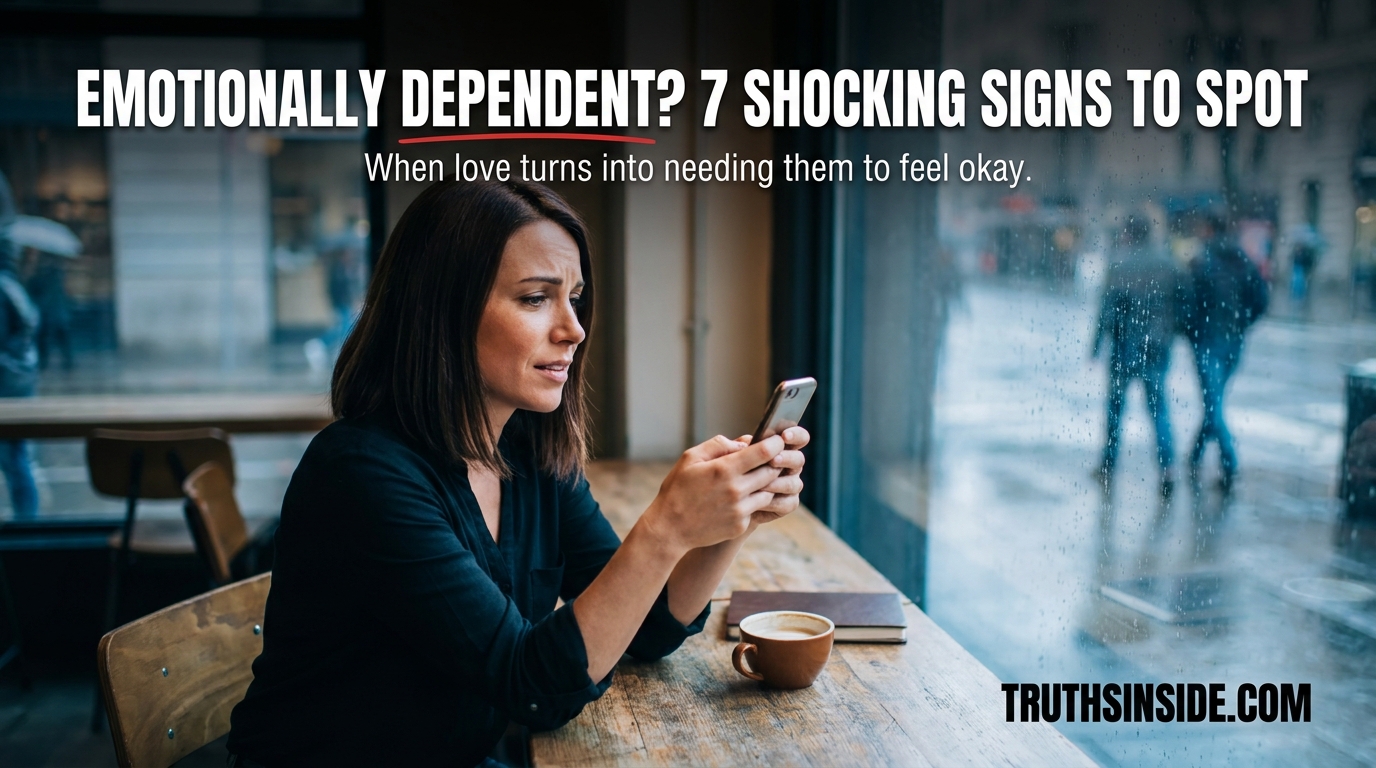
Being emotionally dependent on your partner can feel like love at first. You think about them constantly, you light up when they text, and the idea of life without them feels unbearable. But slowly, something shifts. Your mood rises and falls with theirs, your own plans fade into the background, and you realize you cannot remember the last time you felt steady on your own. If that stings a little, you are not alone, and nothing is wrong with your heart.
Psychology offers helpful context. When Cindy Hazan and Phillip Shaver studied adult romantic relationships in 1987, they found that love in adulthood follows the same attachment patterns seen between infants and caregivers, and nearly one in five adults described an anxious style, marked by fear of abandonment and a strong need for closeness. Being emotionally dependent is not a character flaw. It is often a learned way of seeking safety.
This guide explains what it means to be emotionally dependent, why it happens, and seven clear signs to watch for. You will also learn the difference between healthy closeness and unhealthy dependence, practical steps to build your own emotional footing, and how to talk with your partner about it. The goal is not to love less. It is to love from a place of security instead of fear.
What Does It Mean to Be Emotionally Dependent?
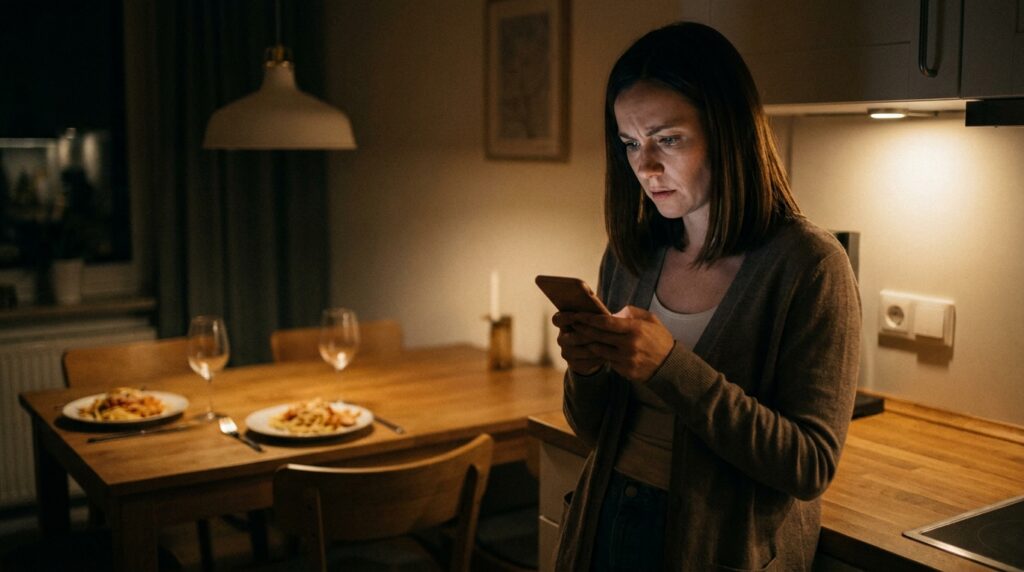
To be emotionally dependent means relying on your partner to regulate your feelings, validate your worth, and give your life direction. Their attention becomes your main source of comfort, confidence, and identity. When they are warm, you feel secure. When they are distant, busy, or upset, you feel anxious, empty, or panicked, even if nothing is actually wrong.
Every healthy relationship involves some dependence. Humans are wired to lean on the people they love, and psychologists call the healthy version interdependence. In interdependent relationships, both people support each other and still keep their own friends, interests, and sense of self. Being emotionally dependent tips over when closeness replaces independence instead of adding to it.
It is also worth saying that emotional dependence is not an official diagnosis, and it is not the same as being clingy or weak. Therapists often discuss it alongside anxious attachment and codependency. If it sounds like you, treat it as information about your patterns, not as a verdict on who you are.
Why People Become Emotionally Dependent
There is rarely a single cause. Most people who become emotionally dependent on a partner are carrying a mix of history, beliefs, and circumstances.
Early Attachment Experiences
If caregivers were inconsistent, critical, or emotionally unavailable, you may have learned that love is uncertain and must be earned or monitored. As an adult, you may scan your partner for signs of withdrawal and feel intense relief when they respond. Attachment researcher John Bowlby described how early bonds shape our expectations of closeness, although these patterns can change with new experiences and support.
Low Self-Worth and a Blurry Sense of Self
When you do not feel valuable on your own, a partner’s approval can feel like proof that you matter. Over time, your identity can merge with the relationship, and you may struggle to name what you like, want, or believe without checking how they feel about it.
Past Loss or Betrayal
Previous breakups, infidelity, or loss can leave a deep fear of abandonment. You may hold on tighter to avoid more pain, even though the tight grip can strain the relationship you are trying to protect.
Isolation and Life Transitions
Moving to a new city, losing a job, or having a baby can narrow your support network until one person carries all of your emotional needs. Dependence can grow quietly when a partner becomes your only safe place.
📃 Related article: Lying About Cheating: 7 Shocking Signs to Spot
7 Signs You’re Emotionally Dependent on Your Partner
These signs exist on a spectrum, and most people recognize themselves in one or two at certain times. The pattern, the intensity, and how much distress it causes are what matter most.
1. Your Mood Depends on Their Mood
A warm morning text makes your whole day brighter. A short reply makes your stomach drop. If your emotional weather is controlled by your partner’s tone, availability, or reactions, you may be emotionally dependent. You feel responsible for their feelings, and you cannot fully relax until they seem okay.
Healthy partners affect each other’s moods, of course. The difference is when you cannot recover on your own. You spend hours replaying a conversation or decoding a pause, and your sense of safety rises and falls entirely with their signals.
2. You Need Constant Reassurance
You ask “Do you still love me?” or “Are you mad at me?” again and again, and the answer works for only a few minutes. You may check their location, read their messages for hidden meaning, or need frequent texts to feel secure. Reassurance feels like oxygen, and the relief never lasts.
Wanting reassurance is human. The warning sign is when no amount of it is enough, because the doubt is coming from inside. Your partner may begin to feel pressured, and the cycle of asking and withdrawing can leave both of you exhausted.
3. You Fear Being Alone More Than Being Unhappy
You stay through conflict, silence, or disrespect because the idea of being single feels worse than the pain you are in. You may have been unhappy for a long time, yet every time you consider leaving, panic floods in. Many people in this position say, “I do not know who I am without them.”
Fear of loneliness is understandable. But when it keeps you in a relationship that harms your wellbeing, it may be a sign that you are emotionally dependent. Learning to be comfortable alone is not about leaving. It is about having a real choice.
4. You Have Lost Your Own Interests and Friends
Hobbies, goals, and friendships slowly disappear. You turn down invitations to avoid time apart, or you stop doing things your partner does not like. Your calendar revolves around theirs, and conversations about your own dreams grow rare.
Sharing life together is beautiful, but a relationship should expand your world, not shrink it. Notice whether you still have anything that belongs only to you: a friend, a passion, a goal, a quiet corner of life that does not depend on them.

5. You Cannot Make Decisions Without Their Approval
From what to wear to whether to take a job, you feel unable to choose without checking with your partner. You may fear their disappointment so much that you hand over decisions, even small ones. Over time, your confidence in your own judgment fades.
Asking for input is healthy. Needing permission is different. If you feel anxious making choices alone, or you change your answers to match what you think they want, your sense of self may be getting lost in the relationship.
6. You Tolerate Behavior You Would Normally Reject
Disrespect, broken promises, jealousy, or emotional coldness slide by because you fear upsetting them or losing them. You make excuses, shrink your needs, and tell yourself it is not that bad. Your standards quietly lower so the relationship can survive.
This is one of the most important signs to take seriously. If you would not accept a friend being treated this way, ask why you accept it for yourself. Being emotionally dependent can make it difficult to see how much you are giving up.
7. You Feel Panic or Emptiness When They Pull Away
A work trip, a night out, or a busy week can trigger intense anxiety, even when your partner has done nothing wrong. You may feel hollow, panicky, or unable to concentrate until they reconnect. Small separations feel like threats.
This reaction is rooted in the body’s attachment system, which treats distance as danger. It is not your fault, and it can be soothed with practice. Over time, you can teach your nervous system that separation is safe and that you can handle your own feelings.
A healthy relationship adds to who you are. It should never replace who you are.
Healthy Interdependence vs. Being Emotionally Dependent
Seeing the two side by side can make the difference clearer:
| Healthy Interdependence | Emotionally Dependent |
|---|---|
| You enjoy closeness and time apart | Time apart feels threatening |
| You share feelings and can also self-soothe | You rely on them to calm every emotion |
| You keep your friends, goals, and interests | Your life shrinks around the relationship |
| You make decisions and welcome input | You need approval for every choice |
| You voice needs directly | You seek reassurance or test them indirectly |
| You can imagine a good life alone | You cannot picture yourself without them |
Most relationships move along this spectrum at different times. A major crisis, illness, or loss can temporarily increase reliance, and that is normal. The question is whether the pattern persists and whether you feel free inside it.
How to Stop Being Emotionally Dependent on Your Partner: 7 Steps
You do not need to leave your relationship to grow stronger. Change begins with small, steady practices that rebuild your trust in yourself.
1. Notice Your Patterns Without Judgment
Keep a short journal for two weeks. Write down when you feel the urge to check, ask, or appease, and what happened just before. You may notice that certain times, like evenings or after arguments, are harder. Awareness is the first step, and curiosity works better than shame.
2. Rebuild Your Own Identity
List the things you once loved, the goals you set aside, and the opinions you stopped sharing. Choose one to revive this week. Schedule a solo activity, even a small one, and protect it. Every time you honor your own interests, you send yourself the message that you matter outside the relationship.
3. Strengthen Friendships and Support
Reach out to friends and family you have drifted away from. Spread your emotional needs across several relationships instead of one. This does not mean loving your partner less. It means they no longer have to be your entire support system, which also makes the relationship healthier for them.
4. Practice Self-Soothing
When anxiety rises, pause before reaching out. Breathe slowly, take a short walk, or write down what you are feeling. Delay the urge to text or ask for reassurance by ten minutes, then fifteen. Each time you ride out a wave on your own, you build proof that you can handle your feelings.
5. Communicate Needs Instead of Seeking Reassurance
Replace indirect tests with clear requests. Instead of “You do not care about me,” try “I feel anxious when plans change suddenly. Could we agree on a time to check in?” Clear communication invites teamwork, while repeated reassurance-seeking tends to create distance.
6. Make Small Decisions Alone
Start with low-stakes choices, like what to cook or which route to take, and make them without asking. Then move to bigger ones. Practice saying “no” to small requests. Each independent choice strengthens your inner compass.
7. Build Self-Worth and Consider Therapy
Self-compassion matters. Research by Kristin Neff and colleagues suggests that people who treat themselves kindly tend to show healthier relationship behavior. Therapy, especially approaches that focus on attachment or cognitive patterns, can help you understand where your fears began and practice new responses. Seeking help is a strength, not a failure.
📃 Related article: She Sees You as Just a Friend: 9 Hidden, Painful Signs
How to Talk to Your Partner When You Feel Emotionally Dependent
Honest conversation can bring you closer. Choose a calm time and start with your own experience: “I have noticed that I rely on you a lot to feel okay, and I want to build more steadiness on my own. This is not about anything you did wrong.”
Then be specific about what would help. You might ask for predictable check-ins, patience while you spend time with friends, or encouragement when you try something new. Avoid using the conversation to ask for even more reassurance. The aim is partnership in change, not a new way to feel secure through them.
Your partner may feel surprised, relieved, or worried. Give them space to respond. Many couples find that when one person grows in independence, the relationship becomes lighter and more playful, because neither person is carrying the whole emotional load.
If Your Partner Seems Emotionally Dependent on You
Compassion matters here, and so do your limits. Offer warmth, but do not become the only source of comfort. Encourage their friendships and interests, and say, “I love you, and I want you to have other support too.” Resist the urge to rescue or constantly reassure, because it can keep the cycle going.
If you feel drained or responsible for their feelings, you are allowed to set boundaries. A couples counselor or individual therapist can help you both find a healthier balance. Supporting someone does not mean losing yourself.
Mistakes to Avoid When You Are Emotionally Dependent
Pulling away to test them. Silent tests and punishing distance usually damage trust instead of building it.
Demanding constant proof of love. Checking, questioning, and monitoring can overwhelm your partner and increase your own anxiety.
Replacing one dependence with another. Throwing yourself into a new person, a habit, or substances to avoid the feeling does not build your own foundation.
Cutting off your partner suddenly. Healthy independence grows gradually. Dramatic withdrawal often causes panic and confusion.
Shaming yourself. Harsh self-criticism feeds the very insecurity you are trying to heal. Treat yourself the way you would treat a close friend.
Waiting for your partner to fix it. Your partner can support you, but your sense of worth has to be built from within.

When Emotional Dependence Becomes Unsafe
Sometimes dependence is encouraged or exploited. If a partner isolates you from friends, controls your money, monitors your movements, threatens you, or makes you afraid, this is not simply emotional dependence. It may be coercive control or abuse, and it deserves urgent attention.
In the United States, the National Domestic Violence Hotline at 1-800-799-7233, or by texting START to 88788, offers free, confidential support at any time. If the thought of ending the relationship brings thoughts of harming yourself, call or text 988 in the United States, or contact your local emergency number. You deserve safety and support.
Frequently Asked Questions About Being Emotionally Dependent
What does it mean to be emotionally dependent on your partner?
It means relying on your partner to manage your emotions, confirm your worth, and give your life direction. You may feel anxious or empty when they are distant, and you may struggle to feel okay without their reassurance.
Is emotional dependence the same as codependency?
They overlap but are not identical. Emotional dependence focuses on needing a partner to feel secure, while codependency often involves putting a partner’s needs and problems ahead of your own in a way that harms you. Neither is an official diagnosis, and a therapist can help you sort out the patterns.
Is being emotionally dependent the same as love?
No. Love can include closeness, longing, and mutual reliance, but being emotionally dependent is driven by fear of loss or of being alone. Love that feels secure allows freedom, trust, and individuality for both people.
Can emotional dependence change?
Yes. Attachment patterns and self-beliefs can change through new experiences, supportive relationships, self-compassion, and therapy. Change usually happens gradually, with small steps practiced over time.
Can I be emotionally dependent and still have a good relationship?
Many people do, especially when both partners are caring and willing to grow. Awareness and honest conversation make a big difference. If dependence causes ongoing distress or you feel unsafe, professional support can help.
Final Thoughts
Being emotionally dependent does not mean you love too much. It means you may be relying on love to do a job that also needs your own self-trust. The good news is that this can change. Rebuild your interests, widen your support, practice soothing yourself, and speak honestly with your partner. You can love deeply and still stand firmly on your own two feet.
💾 Save this guide so you can revisit the steps when you need them.
📤 Share it with someone who might see themselves in these signs.
➕ Follow Truthsinside.com for more honest relationship and psychology insights every week.
🎵 Music
Maren Lull is a singer-songwriter who writes from the places most people don’t talk about out loud.
Not the dramatic grief. Not the obvious heartbreak. The quiet kind — the ordinary Tuesday emptiness, the habit of reaching for someone who isn’t there anymore, the particular exhaustion of being strong for so long that the strength itself wears thin.
Her music lives at the intersection of emotional honesty and soft beauty — breathy vocals over gentle piano, slow tempos, lyrics that feel less like songs and more like something you wrote in a private notebook at two in the morning and never showed anyone.
Maren Lull writes for the people who feel everything deeply and say very little about it. For the ones who listen to sad music not because they want to feel worse — but because being understood, even by a song, makes the feeling easier to carry.
📱 Follow Maren Lull:
→ Spotify
→ Apple Music
→ Youtube
→ Audiomack