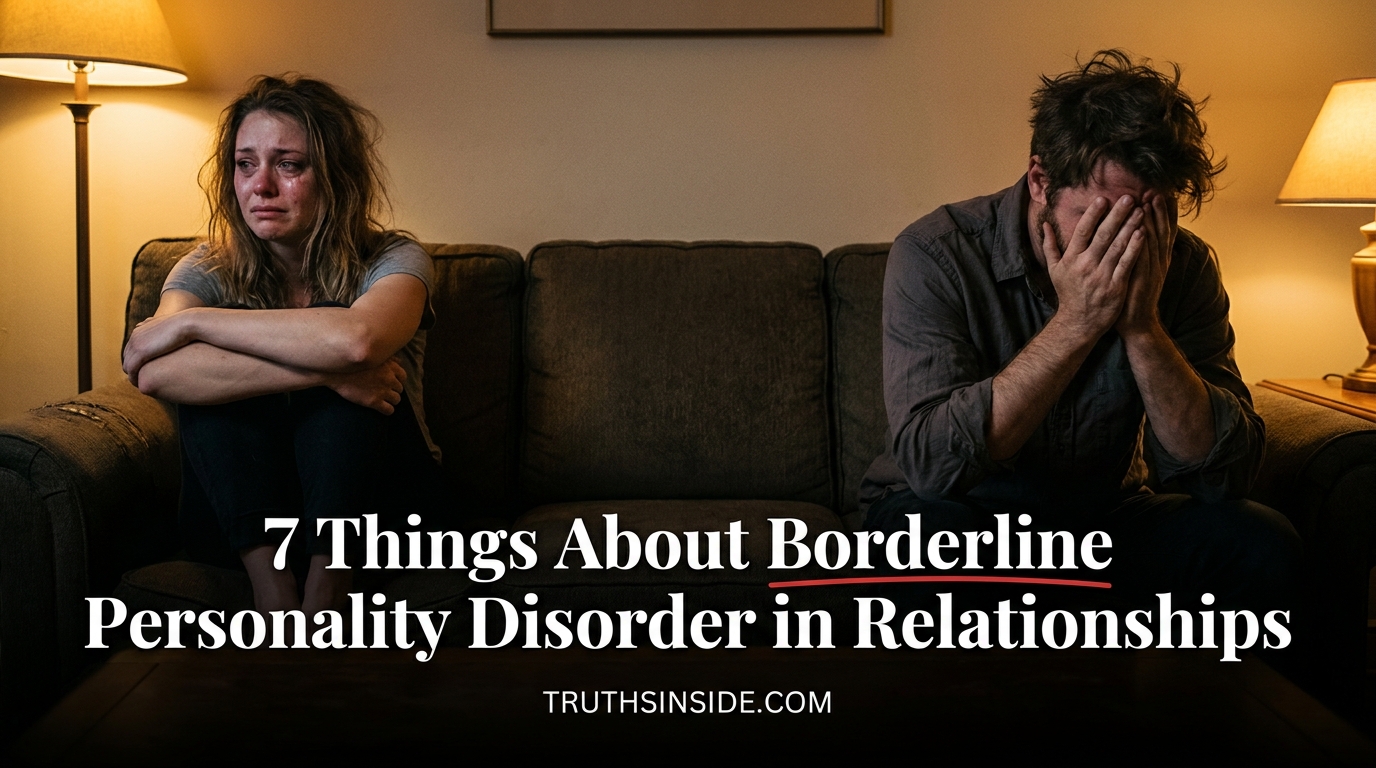
Borderline personality disorder in relationships is one of the most emotionally complex experiences a person can navigate — and most partners do it completely alone, without any real understanding of what is happening or why.
If you love someone with borderline personality disorder, you may have found yourself cycling through an exhausting emotional landscape. One day the connection feels deeper and more electric than anything you’ve ever known. The next day feels like standing at the edge of a cliff, wondering what you said, what you did, or why the person you love is suddenly treating you like a stranger — or an enemy. The confusion is real. The love is real. And the pain is real.
You are not imagining it. You are not overreacting. And the person you love is not doing this to hurt you on purpose. According to the National Institute of Mental Health, approximately 1.4% of adults in the United States live with borderline personality disorder — and research consistently shows that their intimate relationships are among the most significantly impacted areas of their lives. Understanding what BPD actually is, how it manifests in romantic partnerships, and what you as a partner can do to respond with both compassion and healthy boundaries — that is what this article is here to provide.
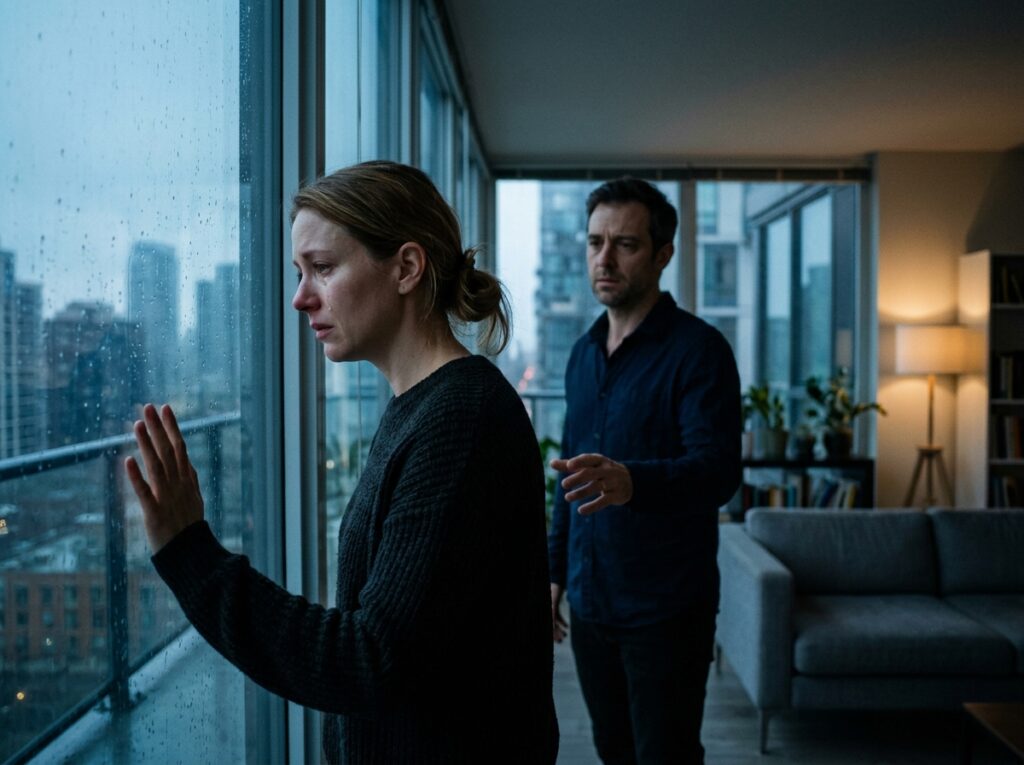
What Is Borderline Personality Disorder in Relationships?
Borderline personality disorder in relationships doesn’t exist in a vacuum — it touches every single dimension of a romantic partnership, from daily communication to sexual intimacy to how conflict is handled and how love is expressed.
BPD is a mental health condition characterized by intense emotional dysregulation, unstable self-image, fear of abandonment, and patterns of turbulent relationships. But those clinical words don’t fully capture what it feels like on the inside — for the person with BPD or for their partner.
For the person with BPD, emotions are not just felt more intensely — they are felt more rapidly and with far less ability to self-regulate. What might feel like mild disappointment to someone without BPD can feel, neurologically and emotionally, like catastrophic loss to someone with it. What feels like a minor misunderstanding to you can feel, to your partner, like the confirmation of their deepest fear: that they are fundamentally unlovable and that you are about to leave.
This is not manipulation. This is not drama for the sake of drama. This is a nervous system that was shaped — often through early childhood trauma, neglect, or chronic emotional invalidation — to experience the world at a different emotional frequency. Understanding this distinction is the single most important shift a partner of someone with BPD can make. It changes everything about how you interpret their behavior — and how you respond to it.
The Core Features of BPD and How They Show Up in Your Relationship
To truly understand borderline personality disorder in relationships, you need to understand the core features of BPD and how each one can shape the dynamic between you and your partner.
Fear of Abandonment
This is the central wound of BPD. People with borderline personality disorder carry an overwhelming, often irrational fear that the people they love will leave them. This fear is not a choice — it is deeply wired into their emotional architecture.
In a relationship, this can manifest as intense anxiety when you don’t respond to a text quickly, extreme distress when you need space, frantic attempts to prevent you from leaving during an argument, or preemptive distancing — pushing you away before you get the chance to leave. It is heartbreaking on both sides. You may feel suffocated or misread. They may feel terrified and completely alone.
Unstable and Intense Relationships — Idealization and Devaluation
One of the most disorienting features of BPD for partners is what clinicians call “splitting” — a cognitive pattern where the person with BPD sees people, including their partner, in extreme black-and-white terms.
During idealization, you are the most wonderful person they have ever met. They speak about you with awe. The relationship feels like a fairy tale. And then — sometimes triggered by something seemingly minor — the switch flips. Suddenly you are the villain. You are selfish, cruel, uncaring. The warmth disappears, replaced by rage or cold withdrawal. This is not a performance. In that moment, that is genuinely how their brain is processing you. Splitting is not a choice — it is a symptom.
Emotional Dysregulation
Emotions for a person with BPD are like weather with no warning system. Intense anger, sudden despair, overwhelming anxiety, and euphoric highs can shift rapidly and without obvious cause. For a partner, this creates an environment of emotional unpredictability that, over time, can feel like walking on eggshells.
Impulsive Behaviors
BPD is associated with impulsivity — reckless spending, substance use, risky sexual behavior, or suddenly ending the relationship in a moment of emotional flooding. These behaviors are not reflections of how your partner truly feels about you. They are symptoms of a nervous system in crisis.
Identity Disturbance
People with BPD often struggle with a stable sense of self. Their opinions, values, interests, and even their sense of who they are can shift dramatically depending on who they are with or what they are experiencing. In a relationship, this can feel destabilizing — like you are partnered with someone who is always slightly different than who you thought they were.
Chronic Feelings of Emptiness
Beneath the emotional intensity is often a profound sense of inner emptiness. Relationships, for people with BPD, become a primary — sometimes the only — way to fill that void. This can create enormous pressure on a partner to be everything, all the time.
“Loving someone with BPD is not about being their therapist. It is about being their partner — with clear eyes, open heart, and honest boundaries.”
What Partners Commonly Experience
If you are in a relationship with someone who has BPD, you may recognize yourself in some or all of the following experiences.
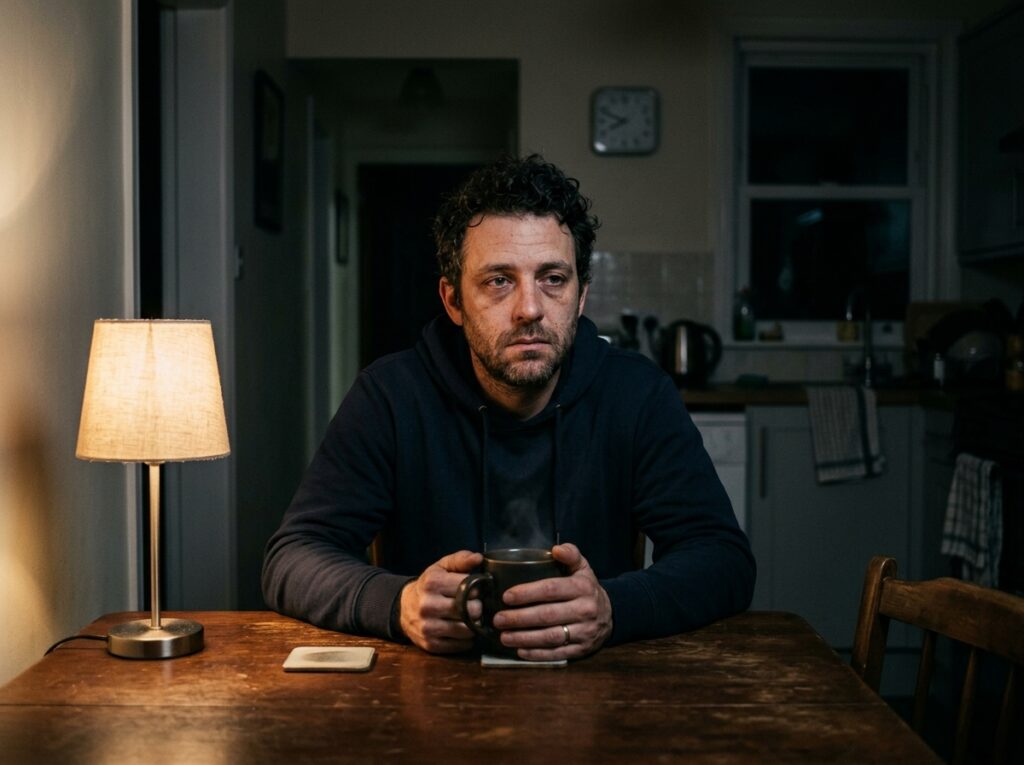
You feel like you are constantly managing the emotional temperature of the relationship. You have started to modify your behavior — what you say, how you say it, when you say it — to avoid triggering an episode. You feel deeply loved at times, and completely invisible at others. You have questioned your own sanity, wondering if you are the problem. You love your partner intensely but feel utterly exhausted. You have wondered whether the relationship can survive — and felt guilty for even asking the question.
These experiences are extraordinarily common among partners of people with BPD. They have a name in clinical literature: relationship burnout driven by chronic emotional unpredictability. And they are valid. Your experience matters just as much as your partner’s.
What Borderline Personality Disorder Is NOT
Because BPD is one of the most stigmatized mental health diagnoses in existence, it is worth being direct about what it is not.
BPD is not a synonym for “crazy,” “manipulative,” or “dangerous.” It is not a character flaw, a moral failing, or a lifestyle choice. People with BPD are not abusers by definition — though, like anyone, they can engage in harmful behaviors when dysregulated, especially without treatment. BPD does not mean your partner is incapable of love, growth, or change.
The stigma surrounding BPD does real damage — to the people who carry the diagnosis and to their partners who may internalize harmful narratives about what their relationship must inevitably look like. The truth is that BPD exists on a spectrum, treatment works, and relationships where one partner has BPD can be deeply loving, meaningful, and sustainable — with the right understanding and support in place.
How to Support a Partner With BPD Without Losing Yourself
This is the part of the conversation that most articles shy away from — because it requires holding two truths at once. Your partner deserves compassion, patience, and love. And you deserve boundaries, support, and your own emotional health.
These two things are not in conflict. In fact, your ability to maintain your own grounding is one of the most loving things you can offer your partner.
Learn About BPD Beyond the Surface
Read books like I Hate You — Don’t Leave Me by Kreisman and Straus, or Stop Walking on Eggshells by Paul Mason and Randi Kreger. These resources were written specifically for partners of people with BPD and offer both education and practical strategies. The more you understand, the less personal you take things that are not, in fact, personal.
Do Not Try to Be Their Therapist
This is critical and often the first mistake loving partners make. Your role is not to fix, manage, or treat your partner’s BPD. That responsibility belongs to a trained mental health professional. When you slip into the role of therapist, you lose your role as partner — and the relationship dynamic becomes unhealthy for both of you.
Encourage your partner to seek DBT (Dialectical Behavior Therapy), which is the gold-standard evidence-based treatment for BPD. Offer support without becoming the sole source of emotional regulation.
Set and Hold Boundaries — With Compassion
Boundaries are not punishments. They are the structure within which a healthy relationship can exist. For a partner with BPD, clear and consistent boundaries — communicated calmly and maintained firmly — actually provide a form of security. Unpredictability in a partner can amplify BPD symptoms. Your consistency is a gift.
A boundary might look like: “I love you, and I’m willing to talk about this. But I won’t continue the conversation if you are screaming. I’ll come back when things are calmer.” Then follow through — every time.
Validate Without Reinforcing
Validation is powerful. When your partner is dysregulated, they do not need logic first — they need to feel heard. Simple phrases like “I can hear how much pain you’re in right now” or “That sounds really overwhelming” can de-escalate a crisis faster than any explanation or defense.
Validation does not mean agreeing. It means acknowledging that your partner’s feelings are real — which they are — even when the interpretation driving them may not be accurate.
Prioritize Your Own Mental Health
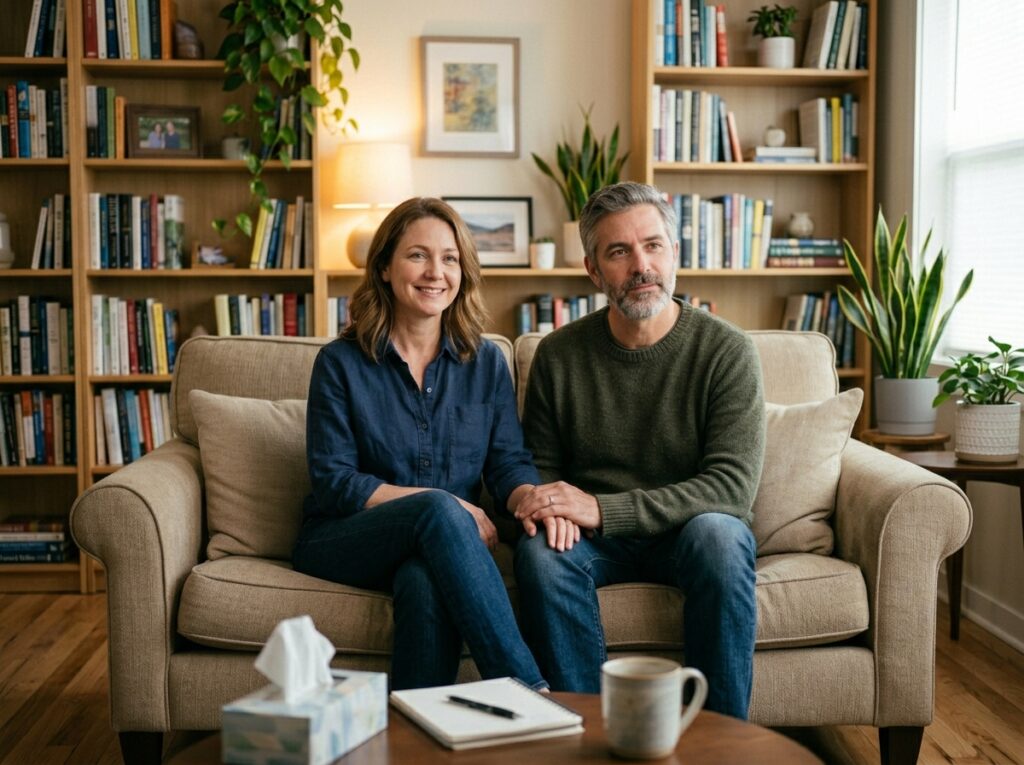
Partners of people with BPD are at elevated risk for anxiety, depression, and caregiver burnout. Therapy for yourself — ideally with someone familiar with relationship dynamics and BPD — is not optional. It is essential. You cannot pour endlessly from an empty vessel.
When the Relationship Becomes Unhealthy
There is an important distinction that must be made clearly and without apology: having BPD does not make someone abusive. But some behaviors that can occur during BPD episodes — screaming, threats, physical aggression, deliberate cruelty — cross the line from symptoms into harm.
If you are being emotionally, verbally, or physically abused, that is not something you are obligated to endure in the name of compassion for a mental health condition. Supporting someone with BPD does not mean absorbing their worst behavior without limit.
If your partner is not in treatment and refuses to seek help, if the relationship is characterized more by crisis than connection, if your own mental and physical health is deteriorating — these are signs that the relationship, in its current form, may not be sustainable.
Loving someone with BPD is not the same as martyring yourself for them. Real love — for both of you — sometimes requires the hardest conversations and the most difficult decisions.
The Role of DBT and Professional Treatment
Dialectical Behavior Therapy, developed by Dr. Marsha Linehan — herself a person with BPD — is the most extensively studied and effective treatment for borderline personality disorder. DBT teaches skills in four core areas: mindfulness, distress tolerance, emotional regulation, and interpersonal effectiveness.
The research is genuinely encouraging. Studies show that with consistent DBT treatment, BPD symptoms significantly decrease over time for the majority of patients. Relationships improve. Emotional crises become less frequent and less intense. Many people with BPD who receive sustained, appropriate treatment go on to build stable, deeply fulfilling partnerships.
This means there is real reason for hope. Treatment works. Change is possible. The trajectory of your relationship is not fixed.
“A diagnosis explains behavior. It does not excuse it — and it does not make it permanent.”
Building a Relationship That Can Survive and Thrive
Long-term relationships where one partner has BPD can absolutely be healthy, loving, and deeply meaningful. But they require certain foundations to be deliberately built and consistently maintained.
Both partners need to be engaged in their own therapeutic work. Communication needs to be practiced and refined, particularly around how conflicts are handled and how needs are expressed. The non-BPD partner needs a strong support network — friends, family, a therapist — outside the relationship. And both partners need to hold a shared understanding of BPD that replaces blame with insight.
Relationships built on this foundation are not rare. They exist. They are not perfect — no relationship is. But they are genuinely good. And for many couples navigating borderline personality disorder in relationships, that is not just possible. It is real.

Final Thoughts: You Are Not Alone in This
Borderline personality disorder in relationships is not a life sentence of pain for either partner. It is a challenge — a significant, real, and often exhausting one. But it is a challenge that can be met with education, compassion, professional support, and honest self-awareness.
If you are the partner reading this, know that your feelings are valid. Your love is not wasted. Your exhaustion does not make you a bad person. And your desire to understand — the fact that you are here, reading this — says something profound about the kind of partner you are trying to be.
Keep learning. Keep showing up — for your partner and for yourself. Seek support. Hold your boundaries. And never mistake endurance for love. Real love, in a relationship this complex, requires wisdom just as much as it requires heart.
💾 Save this article — you will want to come back to it.
📤 Share it with someone who is navigating this and needs to feel less alone.
👉 Follow Truthsinside.com for more psychology-backed relationship content that tells the truth.
📃 Related article: Signs He Likes You But Is Scared: 18 Behaviors Men Show When Afraid to Commit
FAQ: Borderline Personality Disorder in Relationships
Q1: Can a relationship with someone who has BPD actually work long-term?
Yes — and there is research to support this. With proper treatment (particularly DBT for the partner with BPD), strong communication, and both partners engaged in their own personal growth, relationships involving BPD can be deeply stable and fulfilling. It requires more intentional effort than the average relationship, but it is entirely possible.
Q2: How do I know if my partner has BPD if they haven’t been diagnosed?
Only a qualified mental health professional can diagnose BPD. However, if you consistently observe patterns of intense fear of abandonment, rapidly shifting views of you (idealization and devaluation), significant emotional dysregulation, impulsive behavior, and unstable identity, it may be worth gently encouraging your partner to speak with a therapist. Avoid diagnosing your partner yourself — it can backfire and cause harm to your relationship.
Q3: Is it emotionally damaging to be in a relationship with someone with BPD?
It can be — particularly if there is no treatment in place, no healthy boundaries, and no support for you as the partner. Chronic exposure to emotional dysregulation and unpredictability has real mental health consequences. This is why your own therapy, self-care, and support network are non-negotiable, not optional.
Q4: What is the most helpful thing I can say to a partner with BPD during an emotional crisis?
Lead with validation before anything else. Something like: “I hear you. I’m not going anywhere. Can we talk about this together?” Avoid defensiveness, explaining, or logic in the heat of the moment. Emotional validation de-escalates; logic during dysregulation typically escalates. Once things are calm, then you can have the fuller conversation.
Q5: Should I tell my partner I think they have BPD?
This requires enormous care. Bringing up a mental health diagnosis — especially one as stigmatized as BPD — can easily feel like an attack if not handled thoughtfully. Rather than labeling, focus on specific patterns: “I’ve noticed we get caught in some really painful cycles. I think it could really help both of us to talk to a therapist.” Approach it from a place of wanting to support the relationship, not diagnose the person.
🎵 Music
Maren Lull is a singer-songwriter who writes from the places most people don’t talk about out loud.
Not the dramatic grief. Not the obvious heartbreak. The quiet kind — the ordinary Tuesday emptiness, the habit of reaching for someone who isn’t there anymore, the particular exhaustion of being strong for so long that the strength itself wears thin.
Her music lives at the intersection of emotional honesty and soft beauty — breathy vocals over gentle piano, slow tempos, lyrics that feel less like songs and more like something you wrote in a private notebook at two in the morning and never showed anyone.
Maren Lull writes for the people who feel everything deeply and say very little about it. For the ones who listen to sad music not because they want to feel worse — but because being understood, even by a song, makes the feeling easier to carry.
📱 Follow Maren Lull:
→ Spotify
→ Apple Music
→ Youtube
→ Audiomack