Almost Walked Away: 7 Signs I Nearly Lost True Love
I almost walked away from the best thing that ever happened to me, and the terrifying part is how close I came without even realizing it. Psychologists who study self-sabotage in relationships have found that people with fear-avoidant tendencies often flee the healthiest connections precisely because stability feels unfamiliar, sometimes even threatening, compared to the chaos they unconsciously associate with love.
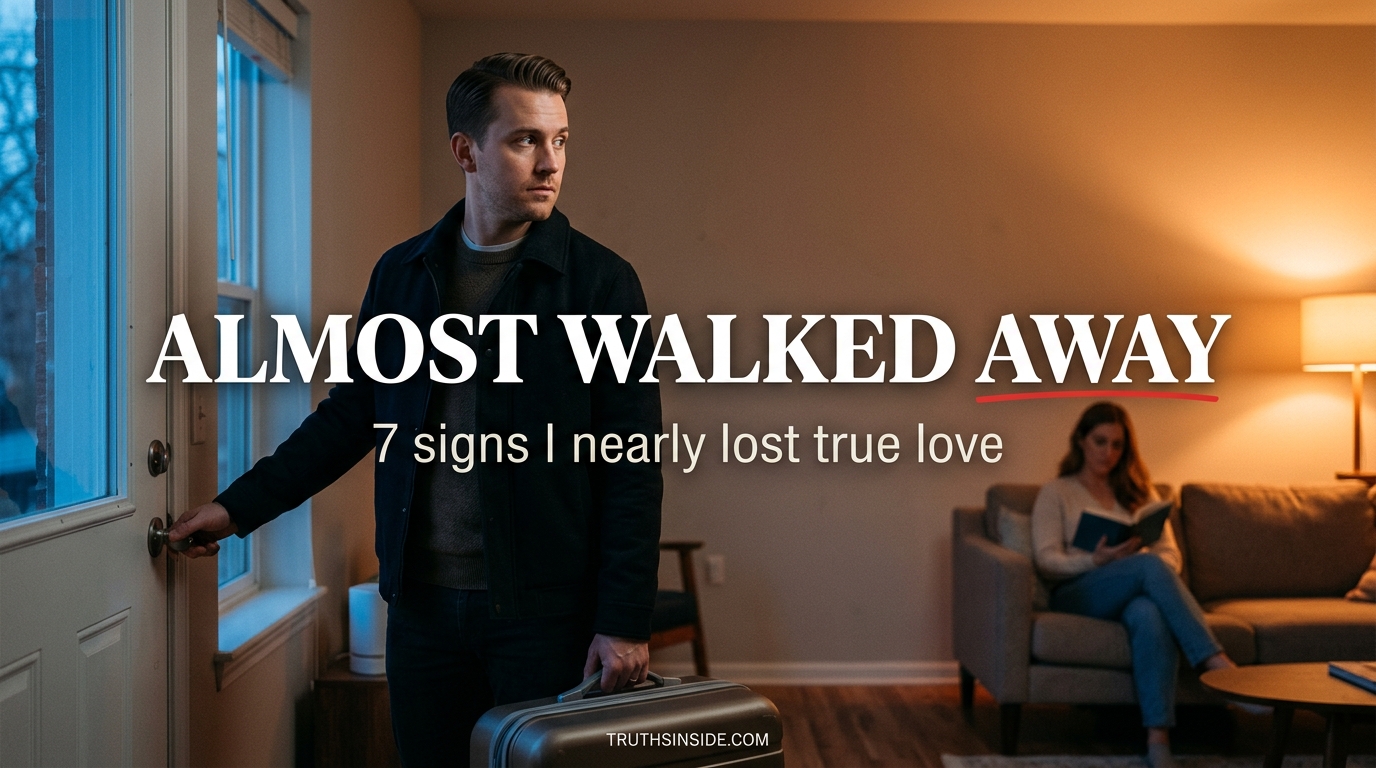
I didn’t know that research existed the night I stood by the front door with a packed bag, convincing myself that leaving was self-protection rather than self-destruction. I almost walked away not because anything was wrong, but because everything was quietly, unfamiliarly right — and my nervous system didn’t know what to do with that.
This is the story of the signs I almost missed, the night I almost walked away for good, and what finally made me put the suitcase down.
Why I Almost Walked Away From Something That Was Actually Good
For most of my life, relationships had followed a predictable pattern: tension, distance, eventual collapse. So when this one stayed steady, month after month, without the familiar chaos, some part of me became suspicious of the calm. I almost walked away because peace felt unfamiliar, and unfamiliar things, to a nervous system wired for instability, can register as danger even when they’re actually safety.
Therapists who study attachment patterns describe this as “fear of intimacy” — a subconscious pattern where closeness itself triggers anxiety, regardless of how healthy the relationship actually is. I almost walked away from a partner who consistently showed up, communicated honestly, and never gave me a real reason to doubt her, simply because consistency felt like a setup I hadn’t experienced the ending of yet.
📃 Related article: He Forgave Her: 7 Powerful Reasons Most Men Never Could
The Signs I Almost Walked Away Without Even Noticing
Looking back, there were clear signs building for weeks before that night. I started picking small fights over nothing, testing whether she’d finally give up on me the way past partners eventually had. I almost walked away emotionally long before I almost walked away physically — pulling back affection, staying later at work than necessary, creating distance I told myself was about being “busy.”
I also caught myself waiting for something to go wrong, scanning every interaction for evidence that the relationship was secretly falling apart. I almost walked away because I couldn’t tolerate the uncertainty of not knowing when the good thing would end, so some part of me decided to end it first, on my own terms, before it could end on someone else’s.
“I almost walked away not because I stopped loving her, but because I’d never learned how to stay somewhere that didn’t hurt.”
The Night I Almost Walked Away For Good
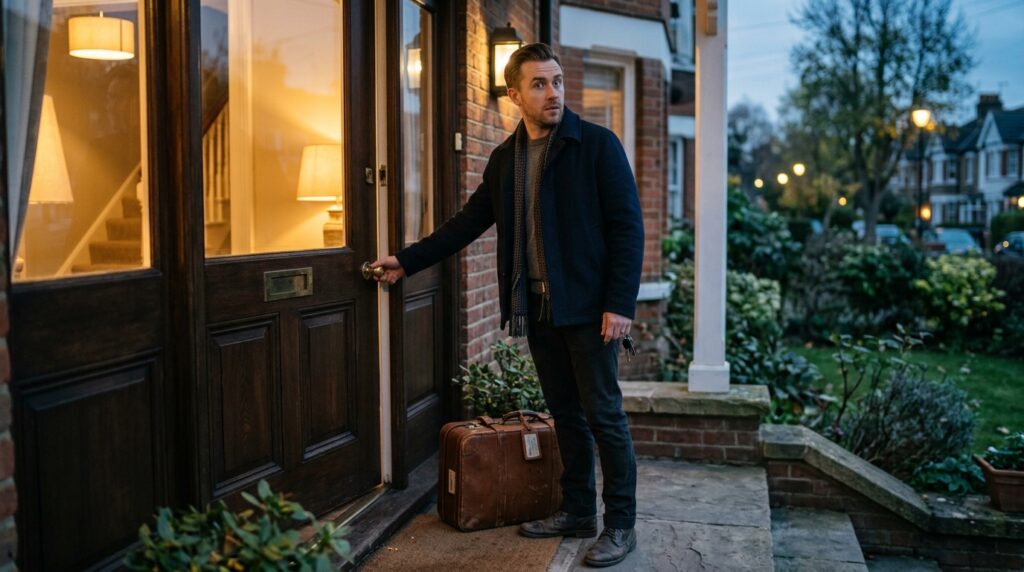
It was a Tuesday, unremarkable in every way except for what almost happened. We’d had a small disagreement, nothing serious, the kind most couples resolve within an hour. But something in me seized on it as proof, and I found myself packing a bag I hadn’t planned on packing, telling myself I was doing her a favor by leaving before I inevitably disappointed her the way I assumed I eventually would.
I almost walked away with my hand literally on the doorknob, rehearsing an explanation that sounded reasonable in my head but would have made no sense to anyone standing outside my own fear. It was the sound of her voice from the living room, asking something completely unrelated, mundane, that stopped me. I almost walked away from an entire future over a disagreement neither of us would remember by the following week.
What Self-Sabotage Really Looks Like in Relationships
Self-sabotage rarely announces itself clearly. I almost walked away without ever consciously deciding “I am going to destroy this relationship.” Instead, it built through a hundred small choices — picking fights, withholding affection, assuming the worst — each one small enough to explain away individually, but adding up to something much larger over time.
Researchers studying self-defeating behavior patterns note that people often sabotage relationships specifically when things are going well, because unconscious beliefs about being unworthy of lasting love create discomfort that the mind tries to resolve by ending the relationship prematurely. I almost walked away for exactly this reason — not because the relationship was flawed, but because some deeply buried part of me didn’t believe I deserved something this steady, so I nearly destroyed the evidence that I might be wrong.
“The relationships most worth keeping are sometimes the ones our fear works hardest to convince us to leave.”
How I Almost Walked Away From My Own Growth, Too
What I understand now, months later, is that I almost walked away from more than just a relationship that night. I almost walked away from the version of myself capable of receiving consistent love without sabotaging it — a version of myself I’d never actually gotten to meet, because every previous relationship had ended before that growth had a chance to happen.
Staying, in that moment, meant confronting years of assumptions I’d never examined: that good things don’t last, that people eventually leave, that safety was something to be suspicious of rather than something to trust. I almost walked away from the opportunity to finally test whether those assumptions were even true, and I’m genuinely grateful, looking back, that a mundane sentence from another room interrupted me before I found out the hard way.

What Made Me Finally Put the Suitcase Down
I didn’t have some dramatic epiphany that night. I simply stood there, bag in hand, and asked myself one honest question: was I actually unhappy, or was I just afraid of staying happy long enough to risk losing it later. I almost walked away from an answer I already knew, deep down, before I even asked the question out loud.
I put the bag down and sat with her on the couch, and instead of pretending nothing had happened, I told her the truth — that I’d almost walked away, that I didn’t fully understand why, and that I was scared of a happiness I didn’t know how to trust yet. That conversation, more than any grand gesture, became the actual turning point. Not the almost-leaving. The staying, and finally saying why I’d almost left at all.
“Sometimes the bravest version of love isn’t staying because nothing is wrong — it’s staying and admitting exactly why you almost couldn’t.”

Signs You Might Be About to Sabotage a Good Relationship
If any part of this feels familiar, here are signs worth paying attention to. You might notice you’re picking fights over minor issues, almost testing whether your partner will finally give up. You might catch yourself pulling away emotionally right when things start feeling stable, or waiting anxiously for something to go wrong instead of simply enjoying what’s going right.
I almost walked away because I mistook peace for a warning sign instead of what it actually was — evidence that I’d finally found something worth protecting. If you find yourself constantly bracing for an ending in a relationship that’s giving you no real reason to, it might not be intuition. It might be an old, unexamined fear wearing intuition’s clothing.
📃 Related article: Signs He Truly Loves You: 7 Powerful Clues He Remembers
Frequently Asked Questions About Almost Walking Away From Love
Q: Why do people sabotage relationships that are actually going well?
Often due to fear of intimacy or a subconscious belief that they’re unworthy of lasting love, which creates discomfort that the mind tries to resolve by ending the relationship early.
Q: What are signs someone might almost walk away from a good relationship?
Picking unnecessary fights, emotional withdrawal during calm periods, and anxiously anticipating problems that aren’t actually present are common signs.
Q: Can self-sabotage in relationships be unlearned?
Yes. With self-awareness, honest communication, and sometimes therapy, people can recognize these patterns and learn to tolerate stability instead of fleeing from it.
Q: How do you stop yourself from sabotaging a relationship out of fear?
Naming the fear out loud to yourself or your partner, rather than acting on it silently, is often the first step toward interrupting the pattern.
Q: Is it normal to almost leave a relationship out of fear rather than unhappiness?
It’s more common than people realize, especially for those with anxious or fear-avoidant attachment patterns formed by past relationship experiences.
If this story hit close to home, save it for the next time fear tries to convince you that leaving is safer than staying. Share it with someone who might be one honest conversation away from putting the suitcase down. And follow Truthsinside.com for more real stories on love, growth, and the truths hiding beneath the surface.
🎵 Music
Maren Lull is a singer-songwriter who writes from the places most people don’t talk about out loud.
Not the dramatic grief. Not the obvious heartbreak. The quiet kind — the ordinary Tuesday emptiness, the habit of reaching for someone who isn’t there anymore, the particular exhaustion of being strong for so long that the strength itself wears thin.
Her music lives at the intersection of emotional honesty and soft beauty — breathy vocals over gentle piano, slow tempos, lyrics that feel less like songs and more like something you wrote in a private notebook at two in the morning and never showed anyone.
Maren Lull writes for the people who feel everything deeply and say very little about it. For the ones who listen to sad music not because they want to feel worse — but because being understood, even by a song, makes the feeling easier to carry.
📱 Follow Maren Lull:
→ Spotify
→ Apple Music
→ Youtube
→ Audiomack