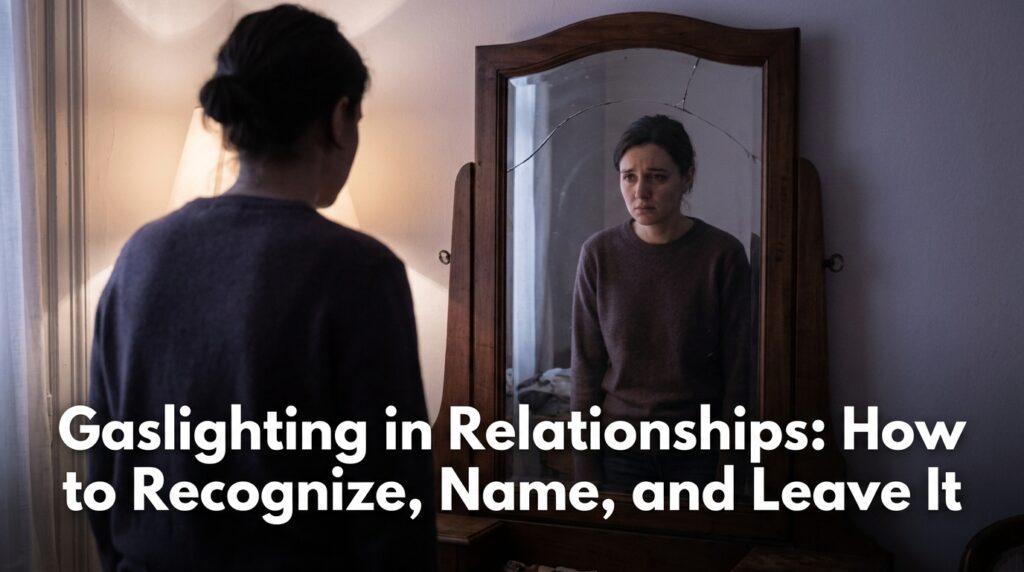

Amanda noticed it in small, easy-to-dismiss moments — a phone flipped face-down a little too quickly, a vague answer about weekend plans, a new habit of stepping outside to take calls. None of it felt like proof of anything. But together, these moments were early Secret Life Red Flags, the subtle behavioral patterns researchers say often precede the discovery of hidden deception in a relationship.
According to research on infidelity and deception published in the Journal of Family Psychology, secretive behavior in relationships rarely appears suddenly — it tends to build gradually through small inconsistencies that, individually, seem explainable, but collectively form a recognizable pattern. Secret Life Red Flags are rarely about one dramatic reveal. They’re about a slow accumulation of behavioral shifts that, once named, become difficult to unsee.
This article breaks down what Secret Life Red Flags actually look like, the psychology behind why people compartmentalize hidden lives, the specific behavioral signs to watch for, and how to address suspicion without spiraling into anxiety or accusation.
WHAT ARE SECRET LIFE RED FLAGS?
Secret Life Red Flags refer to a cluster of behavioral changes that suggest a partner is concealing a significant part of their life — whether that’s an emotional or physical affair, a hidden financial situation, an undisclosed addiction, or an entirely separate relationship or identity. These signs typically involve increased secrecy, inconsistency, and emotional distance that doesn’t match a partner’s usual behavior.
It’s important to distinguish genuine red flags from ordinary privacy. Everyone is entitled to some degree of independence — private friendships, personal passwords, or unshared thoughts don’t automatically indicate deception. What separates normal privacy from a real concern is a pattern of active concealment paired with behavioral inconsistency, rather than simple boundaries.
Recognizing this pattern requires looking at clusters of behavior over time, not isolated incidents. A single late night at work isn’t evidence of anything. A consistent pattern of unexplained absences, defensive reactions to simple questions, and increasing emotional unavailability, taken together, is what elevates ordinary suspicion into a legitimate concern worth addressing directly.
📃 Related article: Guilt-Tripping: 8 Toxic Signs of Manipulation
THE PSYCHOLOGY BEHIND SECRET LIFE RED FLAGS
Why People Compartmentalize Hidden Lives
Psychologists studying deception note that people who maintain a secret life often rely heavily on compartmentalization — a psychological defense mechanism that allows conflicting parts of life to exist without triggering guilt or cognitive dissonance. This mental separation allows someone to function normally in a primary relationship while maintaining an entirely separate hidden reality.
Compartmentalization is often reinforced by fear — fear of confrontation, fear of losing the relationship, or fear of facing the consequences of past choices. Rather than resolving that fear directly, some individuals manage it by keeping the two realities strictly separate, which requires increasing amounts of deception to maintain over time.
The Behavioral Cost of Maintaining Deception
Maintaining a hidden life requires ongoing cognitive effort, which frequently shows up as behavioral strain — irritability, defensiveness, and inconsistency in stories. Researchers studying deception note that maintaining lies over time is cognitively taxing, which is part of why secretive behavior often becomes more noticeable the longer it continues, rather than less.
“A secret doesn’t stay contained in one part of a relationship. Eventually, it leaks into everything — the tone of voice, the eye contact, the small excuses that don’t quite add up.”

SIGNS OF SECRET LIFE RED FLAGS TO WATCH FOR
Recognizing these patterns early requires paying attention to clusters of behavior rather than single incidents. Below are common indicators.
1. Increased Phone and Device Secrecy
A sudden shift toward hiding a phone screen, changing passwords, or taking calls in private, especially if this wasn’t previously typical behavior, is one of the clearest signals worth noting.
2. Unexplained Time Gaps
Vague or shifting explanations about where time was spent — particularly when questions are met with irritation rather than straightforward answers — often indicate concealment.
3. Emotional Withdrawal Without Explanation
A noticeable decline in emotional openness or intimacy, without a clear external cause like stress or grief, can signal that attention and energy are being directed elsewhere.
4. Defensive or Disproportionate Reactions
Overreacting to simple, non-accusatory questions — “Who was that?” — with anger or defensiveness often points to guilt or fear of being discovered.
5. Inconsistent Details in Stories
Small inconsistencies in explanations about schedules, plans, or whereabouts, especially when they shift upon follow-up questions, are a strong behavioral indicator worth tracking.
6. New Financial Secrecy
Unexplained spending, hidden accounts, or sudden defensiveness around shared finances can indicate a concealed financial situation or a hidden relationship involving shared resources.
HOW SECRET LIFE RED FLAGS DAMAGE TRUST OVER TIME
Left unaddressed, ongoing concealment doesn’t stay contained to one area of a relationship. Once a partner discovers even one instance of significant deception, trust in nearly every other area of the relationship tends to erode, since the discovery raises questions about what else may have gone unnoticed. This is one of the most psychologically difficult aspects of uncovering a hidden life — the damage extends far beyond the specific secret itself.
Research on betrayal trauma shows that discovering concealed behavior from a trusted partner can produce symptoms similar to other forms of trauma, including hypervigilance, intrusive thoughts, and difficulty trusting future relationships. This is part of why addressing suspicion directly and early — rather than waiting for undeniable proof — is often healthier for both partners than prolonged uncertainty.
It’s also worth noting that not every case of hidden behavior stems from betrayal in the traditional sense. Some individuals conceal struggles like addiction, financial trouble, or mental health crises out of shame rather than romantic deception. While the behavioral signs may look similar, the underlying cause significantly shapes the appropriate response and the path toward rebuilding trust.

HOW TO ADDRESS SUSPICION WITHOUT OVERREACTING
Noticing possible warning signs doesn’t mean jumping to conclusions. Responding thoughtfully protects both the relationship and your own well-being.
Track patterns, not single moments. One inconsistency isn’t proof of anything. Look for a consistent pattern across time before assuming the worst.
Have a direct, calm conversation. Rather than searching for covert evidence, express specific observed behaviors calmly: “I’ve noticed you’ve seemed more distant lately — is everything okay?”
Avoid accusatory language early on. Leading with accusation often triggers defensiveness that shuts down honest conversation before it can even begin.
Trust your intuition, but verify with evidence. Chronic anxiety without any behavioral basis may point to a different underlying issue, such as past relationship trauma, worth exploring separately.
Seek support before making major decisions. Whether through a trusted friend or a therapist, outside perspective helps separate genuine concern from anxiety-driven suspicion.
“You don’t need certainty to have a conversation. You need honesty, calm observation, and the willingness to hear an answer you might not expect.”

FREQUENTLY ASKED QUESTIONS
What are the most common Secret Life Red Flags to watch for?
Common signs include increased phone secrecy, unexplained time gaps, emotional withdrawal, defensive reactions to simple questions, and new financial secrecy.
Does noticing these signs always mean my partner is cheating?
Not necessarily. While these patterns often relate to infidelity, they can also indicate other concealed issues, such as financial trouble, addiction, or personal struggles kept hidden out of shame.
How do I bring up my suspicions without starting a fight?
Focus on specific, observed behaviors rather than accusations, and approach the conversation calmly, giving your partner space to explain rather than assuming guilt beforehand.
Is it normal to feel anxious even without clear evidence?
Yes, though persistent anxiety without behavioral basis is worth examining, since it may relate to past relationship trauma rather than current behavior.
When should I consider ending the relationship over these signs?
If concealment is confirmed, repeated, and paired with a refusal to be honest even after direct conversation, it may indicate a deeper pattern of dishonesty worth addressing with professional support.
If this helped you recognize patterns in your own relationship, save this article to revisit it later, share it with someone who needs to see it, and follow Truthsinside.com for more research-backed relationship and psychology content.
🎵 Music
Maren Lull is a singer-songwriter who writes from the places most people don’t talk about out loud.
Not the dramatic grief. Not the obvious heartbreak. The quiet kind — the ordinary Tuesday emptiness, the habit of reaching for someone who isn’t there anymore, the particular exhaustion of being strong for so long that the strength itself wears thin.
Her music lives at the intersection of emotional honesty and soft beauty — breathy vocals over gentle piano, slow tempos, lyrics that feel less like songs and more like something you wrote in a private notebook at two in the morning and never showed anyone.
Maren Lull writes for the people who feel everything deeply and say very little about it. For the ones who listen to sad music not because they want to feel worse — but because being understood, even by a song, makes the feeling easier to carry.
📱 Follow Maren Lull:
→ Spotify
→ Apple Music
→ Youtube
→ Audiomack