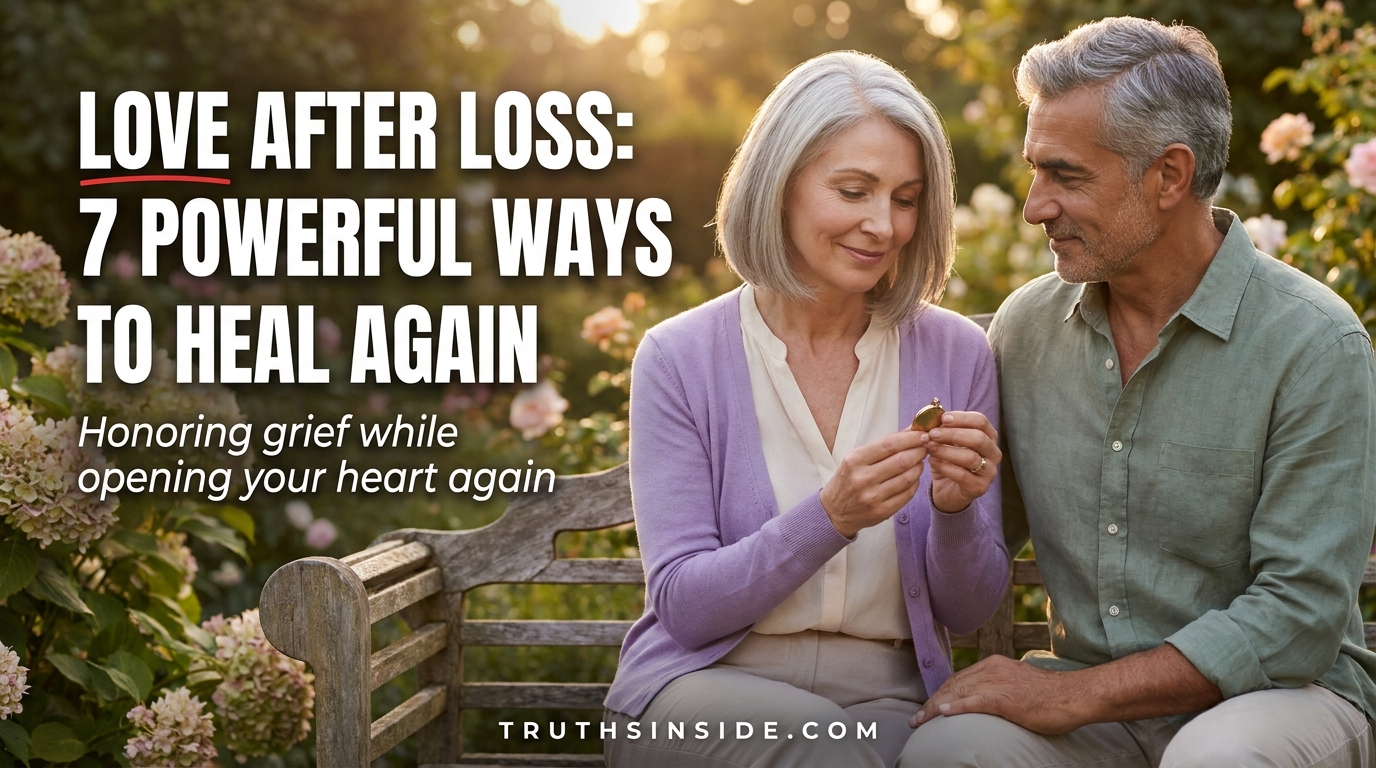
Love After Loss: Finding Connection Again After Grief
Love after loss is a tender, complicated thing. One day you may catch yourself laughing at a joke and feel a wave of guilt. Another day you may wonder if your heart is simply closed for good. If you have lost someone dear and now feel a flicker of interest in closeness, you are not betraying anyone. You are a person who still knows how to love.
Psychologist George Bonanno, who has studied grief for decades, found that resilience is the most common response to loss. Most people, though changed forever, gradually find ways to keep living and connecting. That finding offers a quiet reassurance for anyone worried that love after loss is out of reach.
This guide explores what love after loss really involves, how to know whether you are ready, seven gentle ways to open your heart and how to talk about your grief with someone new. It is written for those who are grieving, those who love them and anyone learning to carry both sorrow and hope.
What Is Love After Loss?
Love after loss means opening yourself to connection again after a significant loss, most often the death of a spouse or partner. It can look like a new romance, a deep friendship or a renewed bond with family and community. It does not require replacing the person you lost, and it does not mean you have stopped grieving.
For many people, the biggest surprise is that grief and love can live together. You can miss someone terribly and still enjoy the company of a new friend. You can cry on an anniversary and smile at a new memory the same week. Love after loss is not a clean break from the past. It is the slow, honest weaving of what was with what might be.
Loss takes many forms. Some people grieve a death. Others grieve a divorce, a breakup or the end of a long relationship that shaped their identity. The details differ, but the central question is the same: how do I trust my heart again? This article focuses mostly on bereavement, though much of it applies to other losses, too.

Why Love After Loss Feels So Complicated
The first complication is guilt. Many grieving people feel that enjoying anything, especially romance, is a form of disloyalty. This guilt can be sharp and surprising, arriving just when things start to feel lighter. It does not mean you are doing something wrong. It often means the bond you had was deep.
The second is fear. Loving again means risking loss again, and after the pain of one goodbye, that risk can feel unbearable. Some people avoid closeness entirely so they never have to feel that heartbreak twice. Love after loss asks you to accept that love and vulnerability are inseparable.
Comparison also complicates things. A new person will not be the one you lost, and trying to match them against a memory is unfair to everyone. Finally, identity shifts. If you were “a wife” or “a husband” for decades, you may wonder who you are now. Each of these feelings is normal, and none of them means love after loss is impossible.
You do not have to stop loving the one you lost in order to love again.
The Science of Grief and Hope in Love After Loss
Researchers Margaret Stroebe and Henk Schut describe grief using the dual process model. In this view, healthy coping involves swinging back and forth between two modes: loss-oriented moments, such as crying, remembering and yearning, and restoration-oriented moments, such as handling daily tasks, trying new things and building a new life. Moving between them is natural, not a sign of confusion.
This model helps explain why you might feel ready for coffee with a friend on Tuesday and overwhelmed by a song on Wednesday. Both responses are part of one healthy process. Love after loss often begins in the restoration moments, which are small steps toward a new life while the loss-oriented moments continue alongside.
Another influential idea is “continuing bonds,” proposed by Dennis Klass and colleagues. Older models of grief suggested that healing meant letting go. Newer research recognizes that many people keep an ongoing inner relationship with the person they lost, through memories, rituals and conversation. That inner connection does not prevent a new relationship. For many people, it simply becomes part of who they are.
📃 Related article: Truly Loved: 9 Powerful Signs You Are Cherished
How Do You Know You Are Ready for Love After Loss?
There is no official finish line. Popular ideas about waiting a specific number of months or years do not match the research, and the well-known “five stages of grief” were never meant to be a strict timeline. Readiness is personal, and it often arrives in pieces.
Common signs include feeling curious about other people instead of only guilty, being able to talk about your loss without being completely overwhelmed, enjoying small moments of connection and wanting company beyond what friends or family provide. You may also notice that you can imagine a future without feeling that it erases the past.
Signs that you may need more time include using a new relationship to avoid grief, feeling pressured by others to move on, searching for a replica of your lost partner or feeling numb and hopeless. If those apply, a grief counselor can help you sort out what you feel. Ready does not mean healed. It means you are willing to let someone near, while still carrying your story.

7 Powerful Ways to Find Love After Loss
These seven approaches are gentle invitations, not rules. Try the ones that feel safe, and leave the rest for another day.
1. Let Grief and Love Share the Same Heart
Stop treating grief as an obstacle. It is evidence of love, and it can sit beside new feelings without canceling them. When guilt or sadness arrives during a happy moment, try saying, “This is love, too.” Love after loss grows best when you give yourself permission to feel both.
2. Move at Your Own Pace
Ignore the calendar. Some people feel open to connection within months, others after many years, and both are valid. Let your inner readiness, not other people’s opinions, set the pace. Taking time is not avoidance, and moving sooner is not disrespect.
3. Name Your Guilt and Fears
Write down what scares you: “I am afraid of forgetting,” “I am afraid of being hurt again,” “I am afraid people will judge me.” Naming fears makes them smaller and easier to share. Then ask what you need to feel safe, such as slower dates, honest conversations or time alone afterward.
4. Rebuild Connection in Small Steps
You do not have to begin with romance. Reconnect with friends, join a class, volunteer, attend a support group or share a regular coffee with someone kind. These small steps rebuild your sense of belonging, and love after loss often grows from that foundation, sometimes from places you did not expect.
5. Talk Honestly About Your Story
Silence can make grief heavier. Share memories of the person you lost with people who listen without hurrying you. When you meet someone new, let them know that your loss is part of your life. The right person will make room for your story instead of asking you to hide it.
6. Honor the Past While Making New Memories
Keep photographs, traditions and rituals that matter to you. Light a candle on an anniversary, visit a favorite place or tell a story at family gatherings. At the same time, create new experiences that belong only to this chapter. Honoring the past and building the future are not opposites.
7. Ask for Support When You Feel Stuck
If your grief feels overwhelming, if guilt keeps you from any joy or if you feel isolated, a therapist or grief counselor can help. Support groups for widowed people offer something unique: others who truly understand. Seeking help does not mean you are weak. It means you value your own healing.
Talking to a New Partner About Your Loss
Honest conversation is one of the kindest things you can offer a new relationship. You do not need to share everything on a first date, but over time, let the person know that your loss shaped you. You might say, “I lost my husband three years ago. I am happy to be here with you, and some days I will still miss him. That is part of me.”
Explain what helps. Perhaps anniversaries are hard, or certain songs bring tears. Tell them what support looks like: a quiet hug, space or simply listening. Avoid comparing the new person to the one you lost, and if you notice yourself doing it, name it and move on.
Invite questions, too. A good partner will want to understand, and you may find that talking about your loss openly makes the connection deeper. If a new person treats your grief as an inconvenience or pressures you to “get over it,” that is important information. Love after loss thrives with partners who respect your history.
If You Are Loving Someone Who Is Grieving
Loving a grieving person takes patience and humility. You are not in competition with the person they lost, and you cannot replace them. Your role is not to fix the grief but to keep company with it, which can feel unfamiliar and sometimes painful.
Listen when they share memories, and resist the urge to change the subject. Learn the dates that matter and offer gentle support around them. Do not ask for a timeline, and do not take sadness personally. A tear does not mean they love you less. It means they have a heart that remembers.
At the same time, you deserve to have your own needs respected. Healthy love after loss includes honest communication on both sides. If you feel consistently shut out, compared or unable to ask for anything, say so kindly, and consider talking with a counselor together. A relationship can hold grief and still be mutual.
Family, Friends and Judgment in Love After Loss
Sometimes the hardest reactions come from people close to you. Adult children may worry that a new partner replaces their parent. In-laws may feel hurt. Friends may say, “It is too soon,” or may push you to date before you are ready. These responses usually come from their own grief and fear.
Communicate clearly and kindly. You might say, “No one will ever replace Dad. I am hoping to share some happiness with someone, and I want you to know you are still my family.” Give them time to adjust, and invite them to share their feelings.
You do not need everyone’s approval to live your life. At the same time, listening may reveal concerns that deserve attention, such as practical matters involving finances or housing. Love after loss involves many relationships at once, and handling them gently protects everyone. Remember that other people’s timelines belong to them, not to you.
When Grief Gets in the Way of Love After Loss
Grief can surface in unexpected ways. Anniversaries, holidays and birthdays can bring waves of sadness, even in a happy new relationship. Plan for these days. Tell your partner in advance, decide how you want to spend the day and allow yourself to feel what arises.
Sometimes grief becomes persistent and overwhelming. Mental health professionals recognize a condition called prolonged grief disorder, in which intense longing and distress continue for a long time, typically at least a year after a death for adults, and interfere with daily life. It is not a failure. It is a sign that extra support is needed, and effective help exists.
If you ever have thoughts of ending your life, please reach out right away. In the United States, you can call or text 988 to reach the Suicide and Crisis Lifeline at any hour. Love after loss starts with your own safety and care, and you deserve support during the hardest moments.

A Composite Story of Love After Loss
The following story is a composite, built from experiences that many bereaved people describe, not a real individual. Rosa lost her husband after thirty-one years of marriage. For two years, she kept his coat on the hook by the door and rarely went out. Friends meant well, but she felt that no one understood.
One spring, she joined a community garden, mostly to have something to do with her hands. There she met Thomas, a quiet widower who shared seedlings and stories about his late wife. They began with talk of tomatoes. Over time, they spoke about grief and found a rare kind of ease: neither needed to explain.
Rosa felt guilty at first, and she told Thomas so. He said, “I still talk to her every morning. I imagine you do, too.” Rosa nodded. They did not replace anyone. They simply sat beside each other, two people carrying their stories into a new season. Love after loss, for them, began as company and grew into something warm and steady.
Grief is love with nowhere to go. Sometimes, it finds somewhere new.
Other Kinds of Love After Loss
Not every loss is a death, and not every new connection is romantic. Some people are healing after divorce, a breakup, the loss of a parent or friend or even a major life change such as a move or retirement. The emotions may differ, but many of the same tools apply: patience, honesty, small steps and support.
After a divorce or a painful breakup, love after loss may involve rebuilding trust, not only in others but in your own judgment. Journaling, therapy and friendships help you understand what happened and what you want next. After losing a parent, new closeness with a partner, a friend or a chosen family can help fill an emotional space.
Whatever your loss, give yourself permission to define connection in your own way. Love after loss might mean a new romance, or it might mean a deeper friendship, a supportive community or a more loving relationship with yourself. All of these are real, and all of them matter.
📃 Related article: Love and Familiarity: 7 Honest Ways to Tell
FAQ: Love After Loss
Is it okay to fall in love again after losing a spouse?
Yes. Falling in love again does not erase your past or betray your late partner. Many people find that love after loss deepens their appreciation for the life they shared, and many families come to welcome it over time.
How long should I wait before dating after a loss?
There is no correct amount of time. Some people feel ready within a year, others take many years, and some choose not to date. What matters is your own readiness, not a timeline set by others.
Is it normal to feel guilty about love after loss?
Very. Guilt is one of the most common feelings, and it often reflects how much you loved the person. Talking with a counselor, a support group or trusted friends can help you work through it.
Will a new partner replace the person I lost?
No one replaces anyone. A new relationship is a different bond with a different person. Love after loss works best when both partners make room for the past without comparing it to the present.
What if I feel stuck in grief and cannot move toward love?
Being stuck is a sign that you may need more support, not that you are failing. Consider a grief counselor or a bereavement support group. If your grief feels unbearable or you have thoughts of ending your life, call or text 988 in the United States.
Final Thoughts
Love after loss is not about forgetting, moving on or replacing anyone. It is about discovering that your heart is larger than you believed: large enough to hold the person you lost and the person you might yet meet.
Go gently. Let yourself feel what comes, take small steps and ask for help when you need it. The story of your life is still being written, and there is room in it for sorrow, for memory and for love again.
Found this helpful? Please do three things:
- Save this article so you can return to it on the days when grief and hope feel tangled.
- Share it with someone who is grieving or learning to love again.
- Follow Truthsinside.com for more gentle guidance on love, emotions and healing.
🎵 Music
Maren Lull is a singer-songwriter who writes from the places most people don’t talk about out loud.
Not the dramatic grief. Not the obvious heartbreak. The quiet kind — the ordinary Tuesday emptiness, the habit of reaching for someone who isn’t there anymore, the particular exhaustion of being strong for so long that the strength itself wears thin.
Her music lives at the intersection of emotional honesty and soft beauty — breathy vocals over gentle piano, slow tempos, lyrics that feel less like songs and more like something you wrote in a private notebook at two in the morning and never showed anyone.
Maren Lull writes for the people who feel everything deeply and say very little about it. For the ones who listen to sad music not because they want to feel worse — but because being understood, even by a song, makes the feeling easier to carry.
📱 Follow Maren Lull:
→ Spotify
→ Apple Music
→ Youtube
→ Audiomack