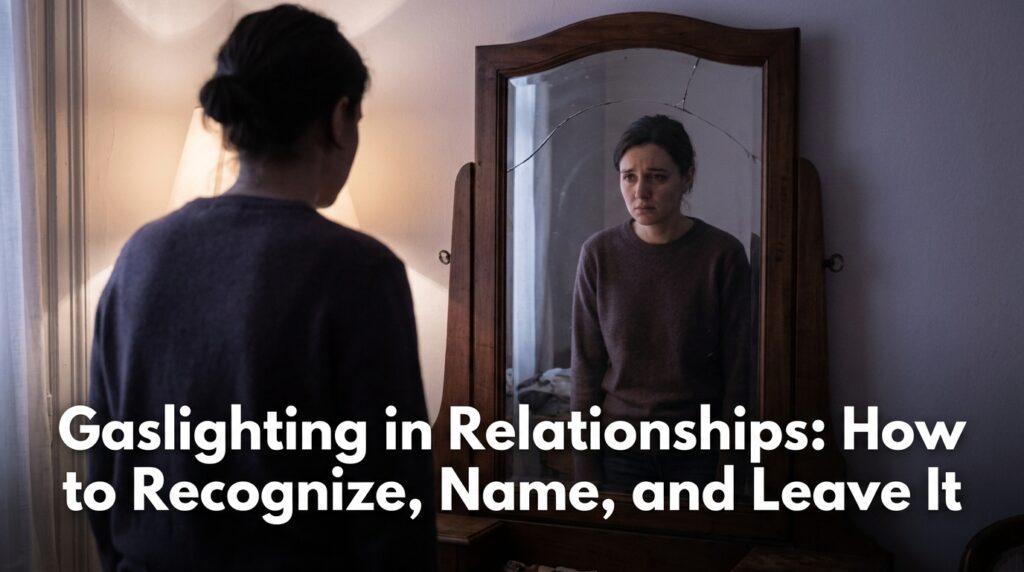
Red Flags During Conflict: How They Fight Tells You Everything
Red flags during conflict are rarely loud at first. They hide in tone of voice, in what gets said when someone is angry, and in what happens after the argument ends. Everyone disagrees, and a fight alone is not a warning sign. But psychologist John Gottman’s decades of research found that how a couple handles conflict says far more about the relationship’s future than how often they disagree. Contempt, he found, is among the most damaging patterns of all.
If you have ever replayed an argument at 2 a.m., wondering whether you were too sensitive or whether something was truly wrong, you are not alone. Conflict can leave you confused, doubting your memory, and apologizing for things that did not feel like your fault. That confusion is information. Learning to recognize red flags during conflict is not about judging anyone harshly. It is about trusting what your mind and body are telling you.
In this guide, you will learn why red flags during conflict reveal more than any date night, what research says about destructive fighting patterns, and seven specific warning signs to watch for. You will also learn what healthy disagreement looks like, when conflict becomes a safety concern, and what steps to take next. Read at your own pace, and remember that noticing a pattern is not an accusation. It is a form of self-protection.
“A good fight ends with two people closer to the solution. A harmful one ends with one person feeling smaller.”
Why Red Flags During Conflict Matter More Than First-Date Charm
Early romance is a performance. People show their best selves, and stress is low. Conflict removes the script. When someone feels criticized, scared, or disappointed, the polished version of them falls away, and what remains is how they actually treat people they claim to love. That is why red flags during conflict are often the most honest information you will ever get about a partner.
Conflict also tests values that charm cannot fake: respect, accountability, empathy, and self-control. Anyone can be kind when everything is easy. The real question is what happens when they are wrong, frustrated, or tired. Learning to notice red flags during conflict gives you an early view of how future problems, from money to parenting, will be handled.
Normal Disagreement vs. Red Flags During Conflict
Disagreeing does not mean something is wrong. Healthy couples argue about chores, plans, and priorities. They raise their voices sometimes, say things they regret, and then repair. The difference is not whether conflict happens. It is whether the conflict attacks the problem or attacks the person. Red flags during conflict show up as patterns of disrespect, control, or avoidance that repeat and never get repaired.
A helpful rule: one bad moment is a moment, and three similar moments are a pattern. A single sarcastic remark after a stressful day is human. A habit of mocking you whenever you raise a concern is a warning sign. Pay attention to frequency, intensity, and especially what happens afterward, because repair is where character shows.
📃 Related article: Spiritual Bypassing: 9 Painful Red Flags to Spot
The Science Behind Red Flags During Conflict
Gottman’s Four Horsemen
After studying thousands of couples, psychologist John Gottman identified four communication patterns that strongly predict relationship breakdown. He called them the Four Horsemen: criticism, contempt, defensiveness, and stonewalling. Criticism attacks a person’s character instead of a specific behavior. Defensiveness deflects blame. Stonewalling shuts the conversation down completely.
Contempt, however, is considered the most corrosive. It includes sarcasm, mockery, eye-rolling, and name-calling, and it communicates superiority. Gottman’s research found it to be among the strongest predictors of divorce, because it erodes the basic respect that relationships depend on. Many red flags during conflict are simply these four patterns in disguise, repeated until they feel normal.
Flooding: When the Body Takes Over
Gottman also described flooding, the state in which stress hormones surge, the heart pounds, and the thinking brain goes offline. Flooded people struggle to listen, empathize, or solve problems. This is why a time-out can be healthy: it allows both people to calm down before returning to the issue. The concern arises when someone uses flooding as an excuse for cruelty, or uses a break as a weapon instead of a pause.
Repair Attempts: The Real Dividing Line
Research on couples also highlights repair attempts, the small gestures that de-escalate tension: a joke, a softened tone, an apology, a gentle touch. Strong couples make them and accept them. Struggling couples either never make them or reject them. When you evaluate red flags during conflict, ask not only what was said but whether your partner ever tried to heal the rupture.
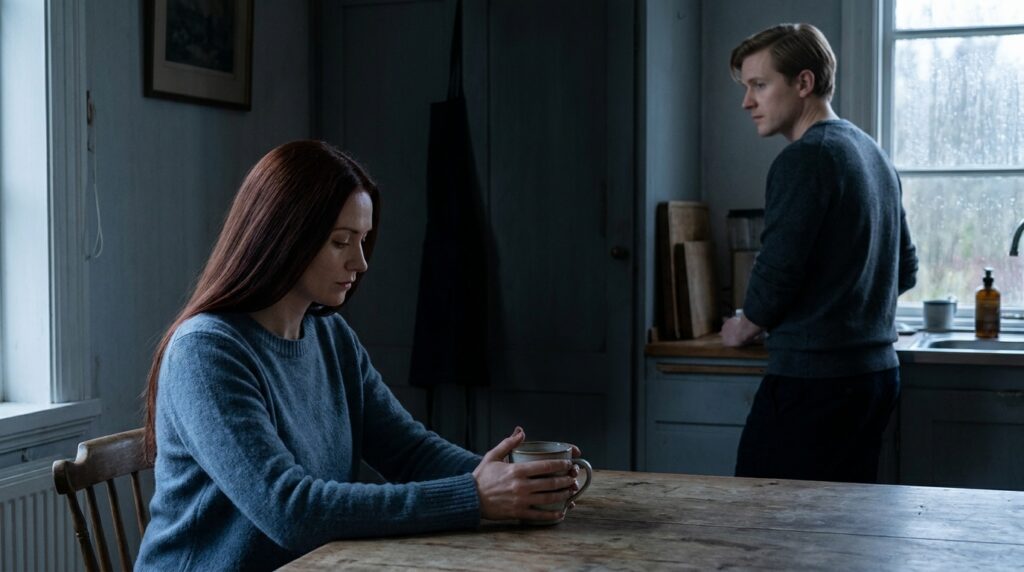
7 Red Flags During Conflict You Should Never Ignore
No single sign here proves a relationship is doomed, and context matters. Still, when several of these appear repeatedly, they deserve serious attention. Consider how often each one happens, how severe it is, and how your partner responds when you name it.
Red Flag 1: Contempt, Mockery, and Name-Calling
The first of the red flags during conflict is contempt. It might sound like sneering, mimicking your voice, rolling their eyes, or calling you names when you bring up a problem. The message beneath it is clear: you are beneath them. Disagreement is about an issue. Contempt is about worth, and it slowly teaches you to doubt your own.
Notice how you feel afterward. Healthy conflict can leave you frustrated, but you still feel respected. Contempt leaves you ashamed, small, or afraid to speak up next time. If mockery appears regularly, especially in front of other people, treat it as one of the clearest red flags during conflict, because respect is not optional in love.
Red Flag 2: They Attack Your Character, Not the Problem
There is a big difference between “I felt hurt when you were late” and “You are so selfish.” The first addresses behavior. The second labels who you are. People who regularly use words like always, never, and “you are such a…” turn every issue into a verdict on your character.
This pattern is one of the red flags during conflict that quietly erodes self-esteem, because you end up defending your identity instead of solving the actual problem. Over time, you may start apologizing for existing. If every disagreement becomes a trial of your personality, the problem is not what you did. It is how they fight.
Red Flag 3: They Never Take Accountability
Everyone makes mistakes. What matters is what happens next. A person who cannot say “I was wrong” or “I’m sorry I hurt you” will turn every conflict into a debate about who is to blame. You might hear “I only did that because you…” or “You’re making a big deal out of nothing.” The apology, if it comes, arrives wrapped in excuses.
Psychologist Jennifer Freyd described a pattern called DARVO: Deny, Attack, and Reverse Victim and Offender. The person denies the behavior, attacks the one who raised it, and then claims to be the real victim. Among red flags during conflict, this is especially disorienting because you walk in with a concern and walk out apologizing.
Red Flag 4: The Silent Treatment as Punishment
Taking a break to calm down is healthy. Disappearing for days to punish you is not. The silent treatment, often called stonewalling when it shuts a conversation down, uses withdrawal as control. You are left anxious, chasing attention, and desperate to restore peace on their terms.
Researchers have long noted the demand-withdraw pattern, in which one partner pursues a discussion while the other retreats. Retreat is not always cruel, but red flags during conflict appear when silence is used to punish, never comes with a return time, or ends only when you apologize first. A healthy time-out says, “I need twenty minutes, and then we will talk.” Punishment says nothing.

Red Flag 5: They Threaten to Leave Whenever You Disagree
Some partners treat the relationship itself as a weapon. “Maybe we should just break up.” “I’m done.” “Find someone else, then.” Said once in despair, these words may be a mistake. Used repeatedly, they train you to avoid disagreement for fear of abandonment, which makes honest conversation nearly impossible. Spotting red flags during conflict like this early can save you years of anxiety.
This is one of the red flags during conflict that quietly hands one person all the power. You begin walking on eggshells, swallowing needs, and agreeing just to keep the peace. A secure partner may need space, but they do not threaten the foundation of the relationship every time something goes wrong.
Red Flag 6: They Rewrite History or Gaslight You
Have you ever left an argument unsure of what was actually said? Gaslighting is a pattern of making you doubt your memory, perception, or sanity. It sounds like “That never happened,” “You’re imagining things,” or “You’re too sensitive.” Occasional memory differences are normal, since two people often recall events differently.
The red flags during conflict appear when denial is constant, convenient, and always aimed at keeping them blameless. Over time, you may stop trusting yourself and rely on their version of reality. If you find yourself keeping notes or screenshots just to prove what was said, take that seriously. It signals an environment where your truth does not feel safe.
Red Flag 7: They Escalate to Intimidation or Control
The most serious of all red flags during conflict is intimidation. This includes yelling to frighten you, blocking a doorway, slamming or breaking objects, grabbing, following you from room to room, or threatening you or your loved ones. It also includes controlling behavior such as taking your phone, keys, or money during a fight.
Intimidation is not a communication problem. It is about power. If you feel afraid during or after arguments, if you change your behavior to avoid their anger, or if you have been hurt, you deserve support right away. Please read the safety section below, because your wellbeing matters more than any relationship.
“If you are afraid to disagree, the problem is not your disagreement.”
What Healthy Conflict Actually Looks Like
To spot red flags during conflict, it helps to know what the opposite looks like. In healthy conflict, discussions start gently and stay on one topic. Both people listen, even when they disagree. They say “I feel” instead of “you always.” They take breaks with a plan to return, they apologize sincerely, and they work toward a solution rather than a victory.
Most importantly, you feel safe. You can say what you think without fear of mockery, punishment, or retaliation. Even when the discussion is difficult, you leave feeling that the relationship is still intact and that your voice mattered. That sense of safety is the single most useful test you can apply, and its absence is itself one of the most telling red flags during conflict.
When Red Flags During Conflict Become a Safety Issue
Some of the signs above, such as intimidation, threats, controlling behavior, or physical harm, are not ordinary relationship problems. They can be signs of abuse. If you feel afraid of your partner, you do not need proof or permission to seek help. You are not overreacting, and you are not to blame for how someone else behaves.
In the United States, the National Domestic Violence Hotline offers free, round-the-clock support at 1-800-799-7233, and you can text START to 88788. If you are in immediate danger, call 911. Trusted friends, family, and a licensed counselor can also help you think through a safety plan. Safety always comes before analysis.
📃 Related article: Love Addict: 7 Painful Hidden Red Flags to Know
What to Do When You Notice Red Flags During Conflict
Name the Pattern Calmly
Choose a calm moment, not the middle of a fight. Describe specific behavior and its impact: “When I raise a concern and you roll your eyes, I feel dismissed. I need us to talk about problems with respect.” Specific, calm language is harder to dodge and makes it easier to see how they respond. Their reaction to this feedback often tells you more than the original behavior. Naming red flags during conflict calmly also shows you whether your partner can hear feedback at all.
Set a Clear Boundary
A boundary describes what you will do, not what you demand they do. “If we start name-calling, I will leave the conversation and we can try again later.” Then follow through. Boundaries only work when they are consistent. Pay attention to whether your partner respects them or punishes you for having them.
Watch for Real, Lasting Change
Apologies matter, but patterns matter more. Does your partner acknowledge the behavior, ask how to do better, and then actually change over weeks and months? Or does the cycle repeat after a brief calm? People can change, especially with professional support, but change is shown through consistent behavior, not promises.
Get Support From People You Trust
Red flags during conflict can make you feel isolated and confused. Talk to a trusted friend, family member, or licensed therapist who can offer perspective. A counselor can help you identify patterns, strengthen your boundaries, and decide on next steps, whether that means rebuilding the relationship or leaving it. You do not have to figure this out alone.

Frequently Asked Questions
What are the biggest red flags during conflict?
The most serious red flags during conflict include intimidation or threats, contempt and name-calling, gaslighting, refusal to take accountability, using the silent treatment as punishment, and threatening to leave every time you disagree. Frequency and severity matter, and anything involving fear or control deserves immediate attention.
Is it a red flag if my partner raises their voice?
Not always. Many couples raise their voices occasionally and repair afterward. It becomes one of the red flags during conflict when yelling is meant to scare or control you, happens regularly, or comes with insults, threats, or blocking your way. How you feel afterward, and whether they take responsibility, matters most.
Can someone with these red flags change?
Some people can, especially if they recognize the harm, take responsibility, and seek help such as therapy. Real change is consistent over time and does not depend on you managing their emotions. If the behavior includes intimidation or control, prioritize your safety and get support before deciding anything.
How do I know if I am the one showing red flags during conflict?
Reflect honestly after arguments. Do you mock, give the silent treatment, deflect blame, or bring up the past to win? Noticing these habits is a strong first step. Apologize sincerely, learn calmer communication, and consider counseling. Recognizing your own patterns is a sign of growth, not failure.
When should I leave a relationship because of how we fight?
There is no single rule, but consider leaving, or at least seeking professional help, if you feel afraid, if disrespect is constant, if you are being controlled, or if your partner refuses to acknowledge harm. If you are in danger, contact local emergency services or a domestic violence hotline and put your safety first.
Final Thoughts
How someone fights reveals how they treat you when they are least polished and most vulnerable. Recognizing red flags during conflict is not about hunting for reasons to leave. It is about seeing clearly, trusting your instincts, and choosing relationships where you can disagree and still feel safe, respected, and heard. Whatever you decide, you deserve a love that is calm enough to hold your honesty.
Found this helpful? Save this article for the next time you feel doubt, share it with someone who may need these words, and follow Truthsinside.com for more honest relationship insights every week.
🎵 Music
Maren Lull is a singer-songwriter who writes from the places most people don’t talk about out loud.
Not the dramatic grief. Not the obvious heartbreak. The quiet kind — the ordinary Tuesday emptiness, the habit of reaching for someone who isn’t there anymore, the particular exhaustion of being strong for so long that the strength itself wears thin.
Her music lives at the intersection of emotional honesty and soft beauty — breathy vocals over gentle piano, slow tempos, lyrics that feel less like songs and more like something you wrote in a private notebook at two in the morning and never showed anyone.
Maren Lull writes for the people who feel everything deeply and say very little about it. For the ones who listen to sad music not because they want to feel worse — but because being understood, even by a song, makes the feeling easier to carry.
📱 Follow Maren Lull:
→ Spotify
→ Apple Music
→ Youtube
→ Audiomack