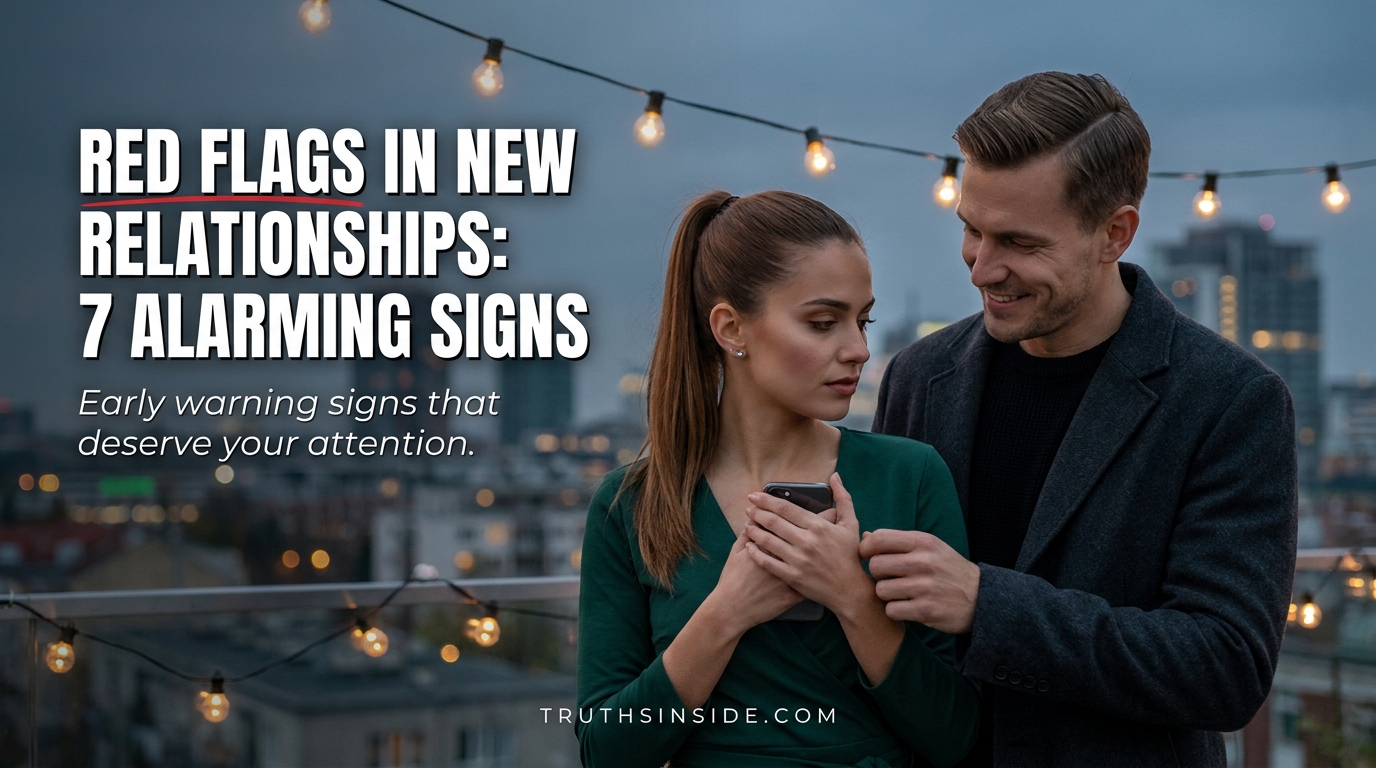
Red Flags in New Relationships That Predict Future Abuse
Red flags in new relationships are easy to explain away, because they usually arrive wrapped in affection. The attention feels like romance, the jealousy feels like passion, and the speed feels like fate. Yet advocates and researchers who study intimate partner abuse often describe the same early pattern: charm first, control second. Understanding that pattern will not predict anything with certainty, but it can help you notice problems while leaving is still relatively easy.
According to the Centers for Disease Control and Prevention, a large share of people in the United States experience some form of intimate partner violence, psychological aggression, or stalking in their lifetimes. That is why learning to recognize red flags in new relationships is not paranoia. It is a basic form of self-protection, much like checking a lock.
This guide explains seven early warning signs, why they matter, how they differ from ordinary relationship flaws, and what you can do if several sound familiar. No checklist can tell you what is in someone’s heart. But your safety, your freedom, and your peace of mind are worth paying attention to.
“Control rarely announces itself. It introduces itself as devotion.”
Why Red Flags in New Relationships Are So Easy to Miss
The early weeks of a relationship are shaped by powerful biology and hope. Attraction releases feel-good chemicals, we tend to see the best in new partners, and we want the story to work. Many people also blame themselves for any doubt: “Maybe I’m too guarded. Maybe I’m overreacting.”
That is exactly why red flags in new relationships can slip by. Behaviors that would look alarming from a distance feel flattering up close. Constant texting feels like interest. Possessiveness feels like love. A partner who wants to rush ahead feels passionate. Only later, when the pattern shifts, do many people see how much they ignored.
Charming Is Not the Same as Safe
Anyone can be warm, funny, and attentive on a first date. Charm tells you very little about how a person handles disagreement, disappointment, or power. The most useful information comes when something does not go their way. When you look for red flags in new relationships, watch those moments more closely than the compliments.
Flaws Versus Red Flags
The difference between a flaw and one of the red flags in new relationships comes down to power. Everyone has flaws: chronic lateness, messiness, a short temper after a hard day. Those are ordinary. Red flags in new relationships are different because they involve controlling, frightening, or disrespecting you. A flaw affects convenience. A red flag affects your freedom and safety.
📃 Related article: Moving Too Fast Red Flags: 7 Alarming Signs
What Does the Research Say About Early Warning Signs?
Researchers and advocates describe a pattern often called coercive control. Sociologist Evan Stark popularized the term to describe an ongoing pattern of domination that can include monitoring, isolation, humiliation, and rules about daily life, often with or without physical violence. Many survivors say the controlling behavior began subtly.
No sign proves that someone will become abusive, and most people who show one or two of these behaviors are not abusers. But clusters of red flags in new relationships, especially when combined with anger at boundaries, are taken seriously by domestic violence advocates. The safest approach is to treat your own discomfort as information and to look for patterns over time.
“A single red flag is a question. A cluster is an answer.”
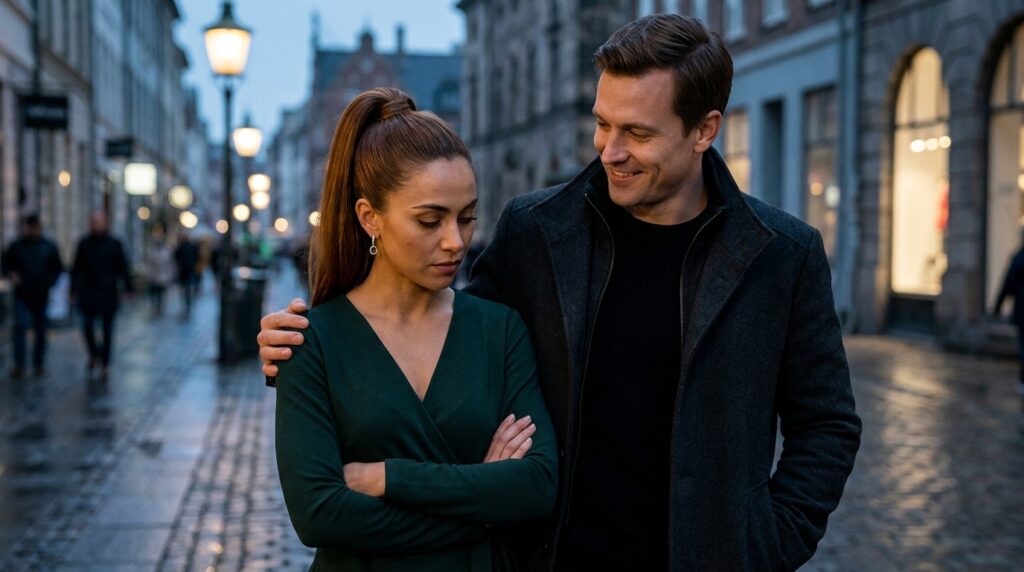
7 Red Flags in New Relationships to Take Seriously
Read these as patterns, not accusations. The question is not whether one moment happened, but whether the behavior repeats, escalates, or is defended when you bring it up.
Red Flag 1: Intense Love Bombing and Speed
Constant gifts, declarations of love within days, and talk of a shared future before you know each other are common red flags in new relationships. Love bombing can come from anxiety or enthusiasm, but it can also create fast obligation. Notice whether the intensity leaves you room to breathe or makes you feel you owe something.
Red Flag 2: Jealousy Framed as Love
“I just get jealous because I care so much.” Occasional jealousy is human. Red flags in new relationships appear when jealousy turns into questioning, accusing, or restricting: who you talked to, why you smiled, why you took so long to reply. Jealousy that limits your freedom is a control issue, not a compliment.
Red Flag 3: Monitoring and Checking Up on You
Demanding your location, going through your phone, insisting on your passwords, or showing up unannounced. These behaviors can be justified as “just worried,” yet they erode privacy and trust. Among red flags in new relationships, monitoring is one of the most consistently linked to later controlling behavior.
Red Flag 4: Isolating You From Friends and Family
“They don’t really like you.” “Your friends are a bad influence.” “Why do you need to go out when you have me?” Gradual isolation reduces the number of people who might notice a problem or support you. Of all the red flags in new relationships, this one deserves special attention.
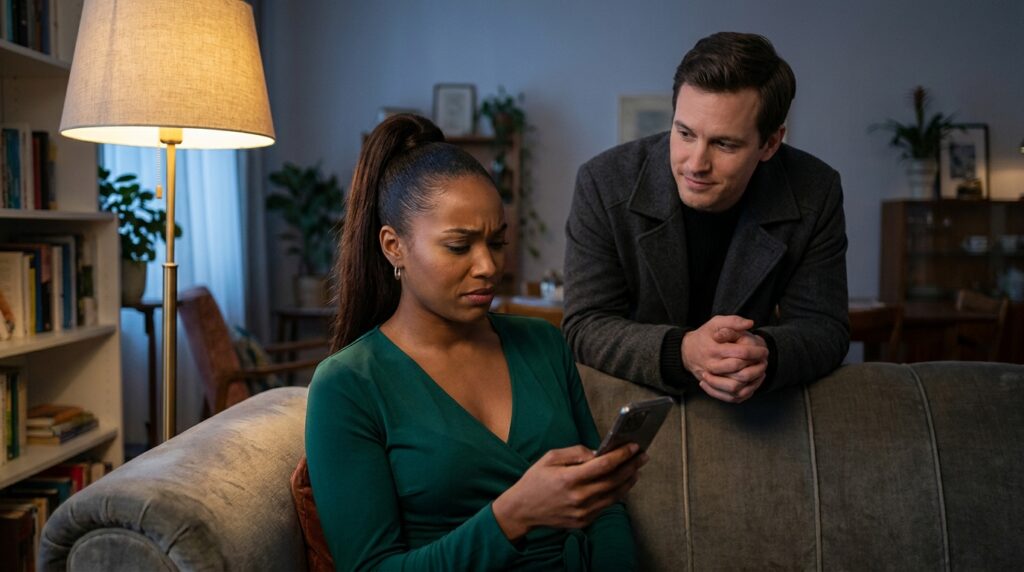
Red Flag 5: Disrespecting Your Boundaries
You say no, and it gets argued, joked about, or ignored. You ask for space, and you are made to feel guilty. How a person treats your “no” early on tells you a great deal about how they will treat it later. Among red flags in new relationships, a pattern of pushing past boundaries is one of the clearest.
Red Flag 6: Blaming Everyone Else and Refusing Accountability
Every ex is “crazy.” Every conflict is someone else’s fault. Every apology comes with a “but.” People who consistently refuse to take responsibility often struggle to repair harm in a relationship. Look for how they talk about past partners, and how they respond when you tell them they hurt you.
Red Flag 7: Anger, Intimidation, or Frightening Behavior
Slammed doors, punched walls, threats, cruel silent treatment, or a temper that makes you tiptoe. You do not need to be hit for it to be serious. If you feel afraid of how someone might react, that fear is a red flag in itself. Among red flags in new relationships, this one deserves the most urgent attention.
“If you are managing their reactions, you are already in a relationship that costs too much.”
How Red Flags in New Relationships Show Up Over Time
Many survivors describe a pattern. At first, the relationship feels intense and wonderful. Then small incidents appear: a flash of anger, a controlling comment, a jealous accusation. Afterward comes remorse, gifts, or promises to change, and hope returns. Advocates sometimes call this a cycle, and it can make leaving feel confusing.
Understanding this helps explain why people stay. It is not weakness. Hope, love, shared plans, financial ties, and fear can all make leaving hard. If you recognize red flags in new relationships and feel pulled back by good moments, you are not foolish. You are human, and support can help.
What the Early Weeks Often Look Like
Early on, the behavior may be small and easy to dismiss: a comment about your clothes, a pout when you see friends, anger over a late reply. The important thing is direction. Is the behavior getting more restrictive, more critical, or more frightening? Escalation is a key marker of red flags in new relationships turning serious.
📃 Related article: Red Flags After a Breakup: 7 Painful Warning Signs
What to Do If You Notice Red Flags in New Relationships
You do not need proof or a perfect plan to take action. You are allowed to protect yourself on instinct. These steps can help you move carefully and safely.
Step 1: Trust Your Instincts
If you see red flags in new relationships, your instincts are your first alarm. If something feels wrong, treat that feeling as meaningful. Write down what happened, including dates and details, in a place your partner cannot access. Patterns are easier to see on paper, especially if you tend to doubt yourself.
Step 2: Test Boundaries Gently
You can try saying, “I need a night with my friends,” or “I’d like to keep my phone private.” Watch the response. A respectful partner may feel disappointed but will accept it. If you get anger, guilt, or punishment, those are important red flags in new relationships to take seriously.
Step 3: Stay Connected
Keep seeing friends and family, and tell at least one trusted person what you have noticed. Isolation makes controlling behavior harder to see and harder to leave. Even short check-ins can protect you.
Step 4: Slow Things Down
Slowing down is one of the best responses to red flags in new relationships. Pause plans to move in together, share finances, or make big commitments. Time shows you who someone is. Anyone who respects you can handle a slower pace.
Step 5: Reach Out for Support
Domestic violence advocates can talk through what you are experiencing, even if you are unsure it counts as abuse, and can help you plan for safety. You do not have to be sure, and you do not have to be in crisis, to call.

Safety First: If You Feel Afraid
If you feel unsafe, or if any of the red flags in new relationships described here are already escalating into threats, stalking, or violence, put your safety first. Leaving an abusive person can be a particularly dangerous time, so planning with a trained advocate can help.
In the United States, the National Domestic Violence Hotline offers free, round-the-clock support at 1-800-799-7233, and you can text START to 88788. If you are in immediate danger, call 911. If you think your devices may be monitored, consider using a device your partner cannot access. Outside the United States, local domestic violence services and emergency numbers can help.
If You Are Worried About Someone Else
If you notice red flags in new relationships that involve a loved one, you can help. If a friend or family member shows signs of being in a controlling relationship, stay connected and listen without judgment. Avoid ultimatums, and keep the door open. People often leave on their own timeline, and a supportive person can make a lasting difference.
A Real-Life Example of Red Flags in New Relationships
Imagine Ruby, who meets Anders at a friend’s party. In the first week, he texts constantly and says he has never met anyone like her. In the second week, he asks her to stop seeing a close friend he finds “negative.” In the third week, he asks for her phone passcode “to prove there are no secrets.” Each step sounds small, and each comes wrapped in affection.
Taken together, they form a pattern of red flags in new relationships: speed, isolation, and monitoring. When Ruby says, “I’d rather keep my phone private,” Anders goes quiet, then tells her she is making him feel unloved. The conversation shifts from her boundary to his hurt, and she ends up apologizing. That quiet reversal is one of the most important things to notice.
What Ruby Could Do Next
Ruby does not need to confront Anders or decide everything at once. She can keep her friendships, slow down, write down what has happened, and talk to someone she trusts. If Anders adjusts and respects her boundary, the relationship may develop in a healthier way. If he escalates, Ruby will have caught the red flags in new relationships early, which gives her more options.
Common Excuses We Make for Red Flags in New Relationships
Most of us talk ourselves out of discomfort. Recognizing the excuses can help you take your own instincts seriously.
- “He’s just really into me.” Interest is lovely. Control is not.
- “She has had a hard past.” Pain explains behavior. It does not excuse harm.
- “It only happened once.” Notice whether it is repeated, defended, or growing.
- “I’m probably overreacting.” Doubt is common, especially when someone tells you that you are.
- “Everyone has flaws.” True, but flaws are not the same as controlling behavior.
- “If I just do better, it will stop.” Another person’s behavior is not your responsibility to fix.
If you find yourself using several of these, it may be worth talking to someone outside the relationship. The pull to rationalize red flags in new relationships is strong, and a trusted outside voice can help you see clearly.
What Healthy Early Dating Looks Like
A healthy start does not mean a perfect one, and it does not mean there will be no disagreements or awkward moments. It means that when things go wrong, both people stay respectful and kind. Knowing what is good is as helpful as knowing what is wrong. In a healthy new relationship, you feel more like yourself, not less. Your boundaries are accepted. Your friends are welcome. Conflict is handled with respect, and apologies are sincere. Pace feels comfortable for both of you.
Healthy partners are curious about who you are and respect your independence. They do not need constant proof of loyalty. They can hear “no” and “not yet” without punishment. When you compare this to red flags in new relationships, the contrast is clear: safety, freedom, and mutual respect on one side, and pressure, control, and fear on the other.
Frequently Asked Questions
What are the biggest red flags in new relationships?
Common red flags in new relationships include love bombing, intense jealousy, monitoring your phone or location, isolating you from loved ones, ignoring boundaries, refusing accountability, and anger or intimidation. Look for patterns and escalation rather than one isolated moment.
Can red flags in new relationships really predict abuse?
They cannot predict it with certainty. Many people show some of these behaviors without becoming abusive. But clusters of controlling behaviors, especially when you feel afraid or unable to say no, are taken seriously by advocates and are worth acting on.
Is jealousy a red flag early in dating?
Mild, occasional jealousy is common. It becomes a red flag when it leads to monitoring, accusations, or limits on who you see or what you do. Controlling jealousy is about power, not love.
How do I know if it is love bombing?
Love bombing usually involves overwhelming affection, gifts, and promises very early, often followed by pressure or withdrawal. A helpful test is how your partner reacts when you ask to slow down or set a boundary.
What should I do if I see red flags in my new relationship?
Trust your instincts, keep your friends close, set small boundaries and watch the response, slow the pace, and consider contacting a domestic violence advocate for guidance. If you are afraid or in danger, call 911 or the National Domestic Violence Hotline at 1-800-799-7233.
Final Thoughts
Learning to spot red flags in new relationships is not about distrusting love. It is about protecting it. You are allowed to move slowly, to say no, to keep your friends, and to leave when something feels wrong. The right partner will never ask you to give up your safety or your freedom to prove you care. Trust yourself. You usually notice more than you think.
Found this helpful? Save this article for the moment you doubt yourself, share it with someone who might need it, and follow Truthsinside.com for more honest relationship insights every week.
🎵 Music
Maren Lull is a singer-songwriter who writes from the places most people don’t talk about out loud.
Not the dramatic grief. Not the obvious heartbreak. The quiet kind — the ordinary Tuesday emptiness, the habit of reaching for someone who isn’t there anymore, the particular exhaustion of being strong for so long that the strength itself wears thin.
Her music lives at the intersection of emotional honesty and soft beauty — breathy vocals over gentle piano, slow tempos, lyrics that feel less like songs and more like something you wrote in a private notebook at two in the morning and never showed anyone.
Maren Lull writes for the people who feel everything deeply and say very little about it. For the ones who listen to sad music not because they want to feel worse — but because being understood, even by a song, makes the feeling easier to carry.
📱 Follow Maren Lull:
→ Spotify
→ Apple Music
→ Youtube
→ Audiomack